Can Deer Be Domesticated?
When people think of domesticated animals, deer rarely come to mind. Cows, sheep, and goats are common on farms, but deer seem to remain wild and untamed—even after centuries of human contact. This raises a key question: *Can deer be domesticated?* The answer is more complex than a simple yes or no. Understanding the unique nature of deer, their behavior, and their history with humans is essential to exploring this topic deeply.
What Does Domestication Really Mean?
Many people confuse taming with domestication. Taming is when an individual animal becomes used to humans, while domestication is a long process where a whole species changes through breeding and selection to live alongside people. Domesticated species often show physical and behavioral changes, like dogs compared to wolves.
Deer have been tamed in certain cases, but true domestication is rare. This difference is important when discussing whether deer can ever become like cows or sheep.
A Brief History Of Deer And Humans
Humans have interacted with deer for thousands of years. Evidence from archaeology shows that reindeer were tamed by people in northern Europe and Asia over 2,000 years ago. In places like Siberia, the Sámi and Nenets people have herded and milked reindeer for generations.
However, other deer species—like white-tailed deer in North America or red deer in Europe—have not become domesticated, even after living near humans for centuries. This shows that not all deer respond the same way to human contact.
Example: Reindeer Herding
Reindeer are a special case. They have adapted to life with humans and are used for transport, milk, and even meat. Their behavior is different from most other deer:
- Reindeer stay calm around humans
- They can be herded and led
- They sometimes rely on people for food in winter
But even reindeer are not as fully domesticated as cows or sheep. They still keep many wild behaviors.
Why Are Most Deer Hard To Domesticate?
Deer are not like cows or goats. Several factors make them difficult to domesticate:
| Factor | Explanation | Comparison (Cows vs. Deer) |
|---|---|---|
| Flight Response | Deer are quick to run and panic when scared. | Cows are calmer; deer are jumpy and alert. |
| Social Structure | Deer live in loose groups, not strong herds. | Cows bond in herds; deer often scatter. |
| Reproduction | Deer breed less often, with fewer offspring. | Cows can have calves yearly; deer less so. |
| Diet | Deer have specific diets, hard to manage. | Cows eat grass; deer need varied plants. |
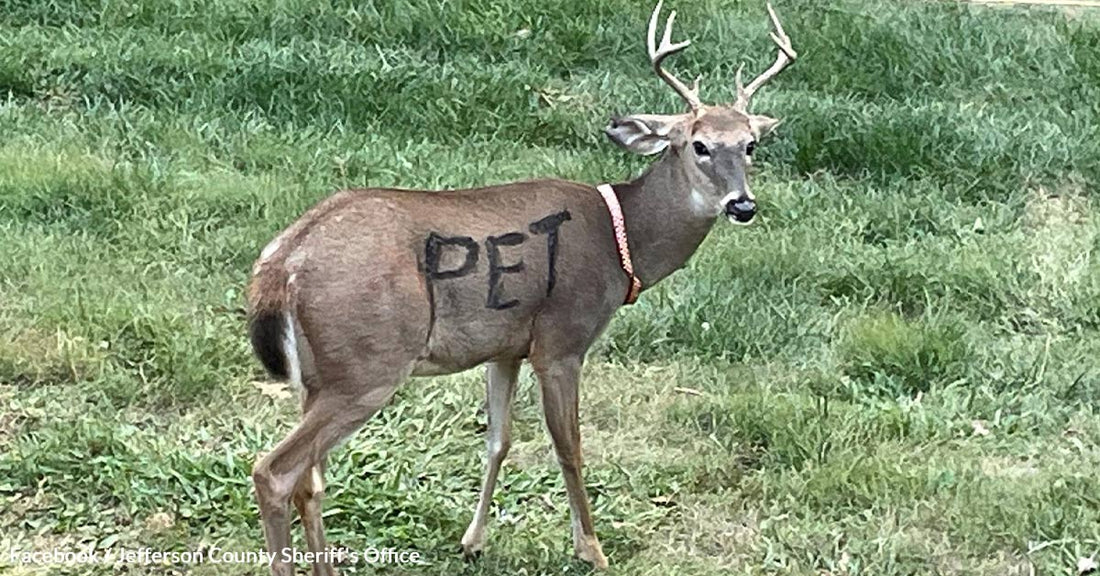
Even if a fawn is hand-raised, it often stays nervous and unpredictable. This makes managing large numbers of deer very challenging.
Attempts At Domestication: What Has Worked?
There have been some efforts to keep deer in captivity or on farms:
- Reindeer: As mentioned, reindeer are the best example of partially domesticated deer.
- Sika Deer (Asia): In China and Japan, sika deer have been raised for velvet antlers and meat, but they are not truly domesticated. They still act wild when threatened.
- Red Deer (Europe): Some farms raise red deer for venison, but these animals remain skittish and require strong fencing.
These cases show that while deer can be farmed, they do not lose their wild nature quickly. Most deer farms need special handling, secure fencing, and constant care to prevent escape or injury.
Table: Domestication Success In Different Deer Species
| Deer Species | Domestication Success | Main Use |
|---|---|---|
| Reindeer | Partial | Transport, milk, meat |
| Sika Deer | Low | Velvet antler, meat |
| Red Deer | Very low | Venison |
| White-tailed Deer | None | Wild hunting |
Challenges And Risks
Trying to domesticate deer comes with risks:
- Stress and injury: Deer easily injure themselves in captivity, breaking legs or necks while trying to escape.
- Disease: Close contact can spread diseases, some of which can pass to humans or livestock.
- Aggression: During the breeding season, males can become dangerous.
People new to deer farming often do not expect how wild and unpredictable these animals are. This leads to high costs and sometimes failure.
Can Selective Breeding Help?
Selective breeding is how most animals became domesticated. Over many generations, people choose animals with calm temperaments and other useful traits.
With deer, this process is slow. Their long breeding cycles and high sensitivity mean changes happen slowly, if at all. Even after several generations, most deer still act wild.
Some scientists believe it would take hundreds of years to truly domesticate a deer species—if it is possible at all.
Non-obvious Insights Most Beginners Miss
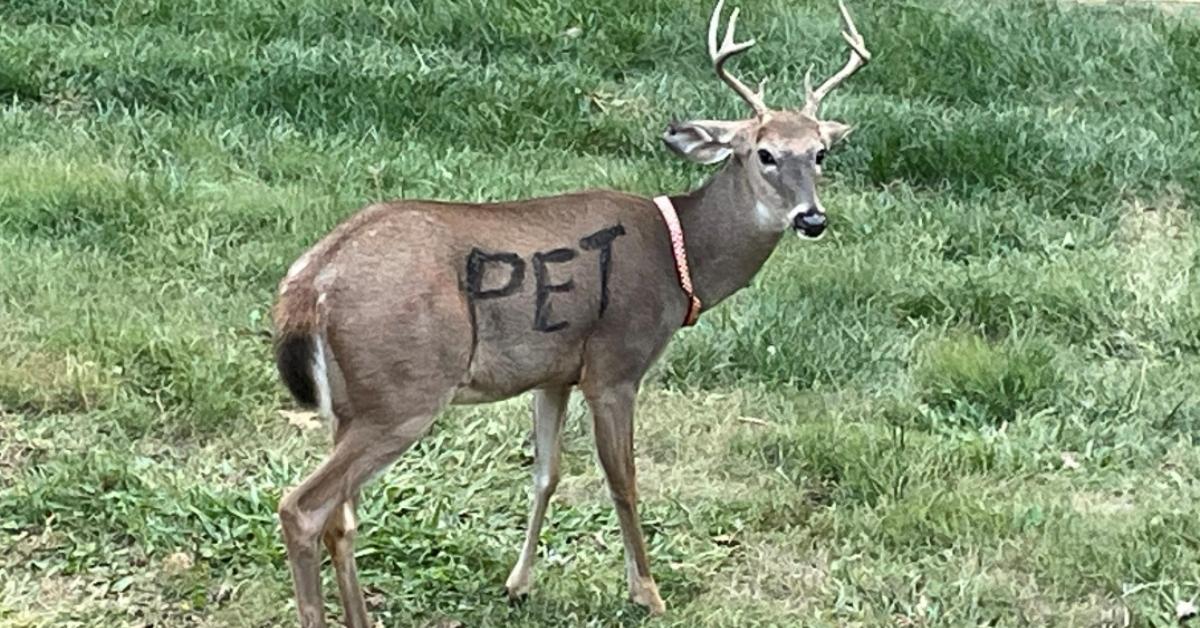
- Deer imprinting is not enough: Raising a fawn by hand does not change its genetics. When it grows up, it often becomes hard to manage and can even become aggressive.
- Escape risk is constant: Even after years on a farm, deer will try to escape if frightened. Their strong legs and ability to jump high fences make escape a real challenge.
- Legal restrictions apply: In many places, owning or farming deer is controlled by law due to disease risks and escape concerns.
- Domestication changes the animal: True domestication changes not only behavior, but also body shape, antler size, and even brain structure.
What Does The Future Hold?
Some scientists hope that new technology—like gene editing—might help speed up domestication. However, ethical and environmental issues remain.
For now, the only deer that comes close to domestication is the reindeer, and even they are not as tame as truly domesticated livestock. For most people, deer are best appreciated in the wild or from a safe distance.
For further reading on animal domestication, see this Wikipedia article.

Frequently Asked Questions
Can Any Type Of Deer Be Tamed?
Most deer can be tamed when raised from a young age, but they rarely become fully safe or predictable. Taming does not equal domestication—tamed deer can still be dangerous or escape.
Are Reindeer Truly Domesticated?
Reindeer are the closest to domestication among deer. They can be herded, milked, and ridden, but they still retain many wild instincts and are not as docile as cows or sheep.
Is It Legal To Keep Deer As Pets?
Laws differ by country and state. In many places, keeping deer as pets is restricted or requires special permits due to disease and safety concerns.
Why Haven’t More Deer Species Been Domesticated?
Deer have strong flight responses, reproduce slowly, and are difficult to manage in groups. These traits make them poor candidates for traditional domestication.
Can Selective Breeding Eventually Create A Domesticated Deer?
In theory, yes—but it would take many generations and much time. So far, only reindeer show signs of partial domestication, and progress with other species has been slow.
Domestication is a long and difficult process. While deer are fascinating animals, they remain one step removed from the farmyard—wild at heart, and best admired from afar.