Deer are some of the most graceful and quiet animals in the wild, but they are far from silent. In fact, deer use a rich system of communication to survive, find food, and interact with each other. Their methods may not always be obvious to humans, but deer rely on sounds, body language, and even scents to send messages. Understanding how deer communicate is important if you want to observe them in nature or learn more about animal behavior.
The Language Of Sounds
Deer use a variety of vocalizations to share information. These sounds are not random; each one serves a purpose.
Types Of Deer Vocalizations
1. Grunts
Grunts are short, low sounds. Deer use grunts to stay in contact, especially mothers and fawns. A grunt can mean “follow me” or “where are you? “
2. Snorts
This is a loud, sudden exhale. When a deer snorts, it usually signals danger. Other deer nearby will often freeze or run after hearing a snort.
3. Bleats
Fawns often bleat when calling for their mothers. These are high-pitched, urgent sounds. Does (female deer) may also bleat softly to reassure their young.
4. Bawls
Bawls are louder, longer calls. Fawns separated from their mothers use bawls to signal distress.
5. Rattling
Bucks (male deer) sometimes create noise by clashing their antlers. This happens during the rut (mating season) and is a way to show dominance or attract females.
Example: Whitetail Deer
The whitetail deer uses all these sounds. During the rut, bucks grunt and rattle more often. A study found that vocalizations increased by 30% during mating season compared to other times of the year.
The Power Of Body Language
Deer often “speak” using their bodies. Body language is silent but very clear to other deer.
Common Body Language Signals
- Tail Flicking
A relaxed deer may flick its tail slowly. Fast, repeated flicking can mean the deer senses something is wrong.
- Stomping
When a deer stomps its foot, it is warning others about possible danger. This action is often followed by a snort.
- Ear Position
Ears forward mean curiosity. Ears back show fear or irritation. Constantly moving ears help deer listen for threats.
- Raised Tail (“Flagging”)
When a deer raises its tail, it exposes the white underside. This is a visual alarm signal to other deer to run.
- Body Posture
A deer that stands tall with stiff legs is alert. Lowered heads and relaxed bodies usually mean the deer feels safe.
When Body Language Matters Most
During hunting season, deer rely heavily on these signals. If one deer senses a hunter, its body language can warn the entire group, even before any sound is made.
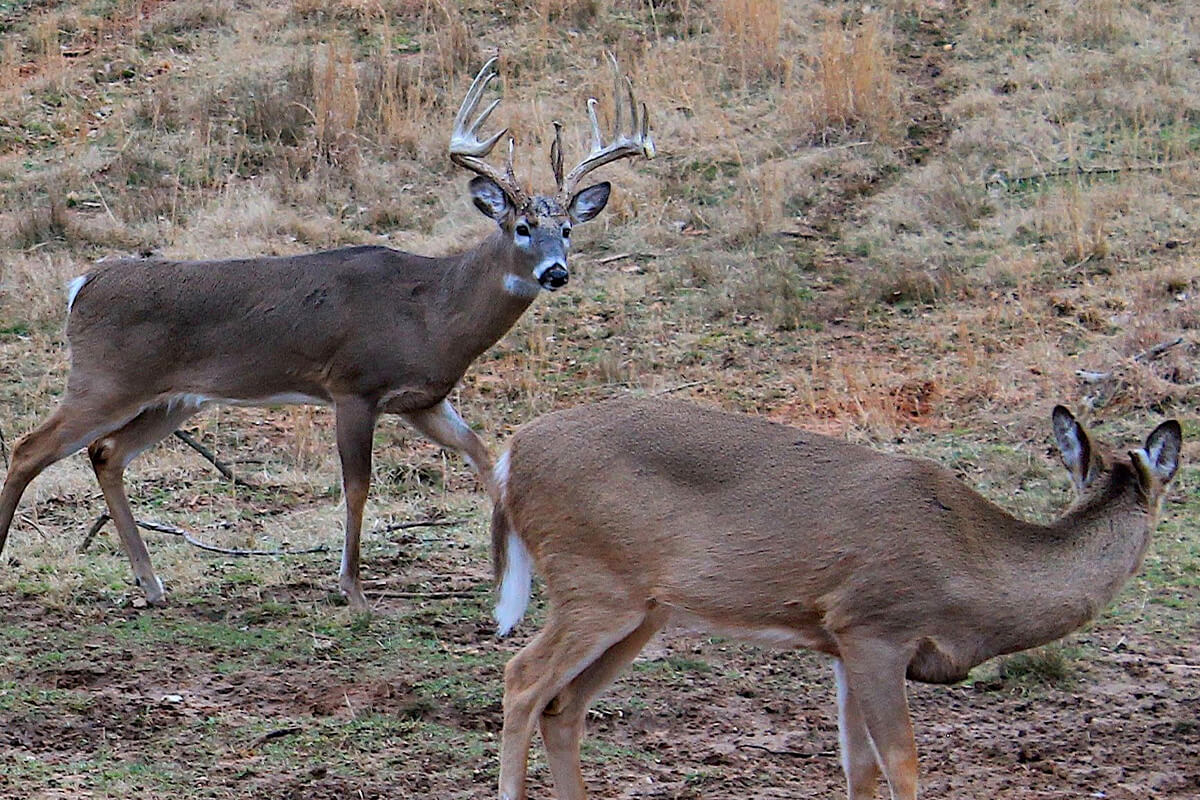
Scent: The Invisible Message
While sounds and body signals are visible, scent is a hidden but powerful way for deer to communicate. Their sense of smell is far stronger than humans, and they use it to leave messages for others.
How Deer Use Scent
- Glands
Deer have special scent glands on their legs, forehead, and near their eyes. Each gland releases a unique scent. For example, tarsal glands on the inside of the hind legs become especially active during the rut.
- Marking Territory
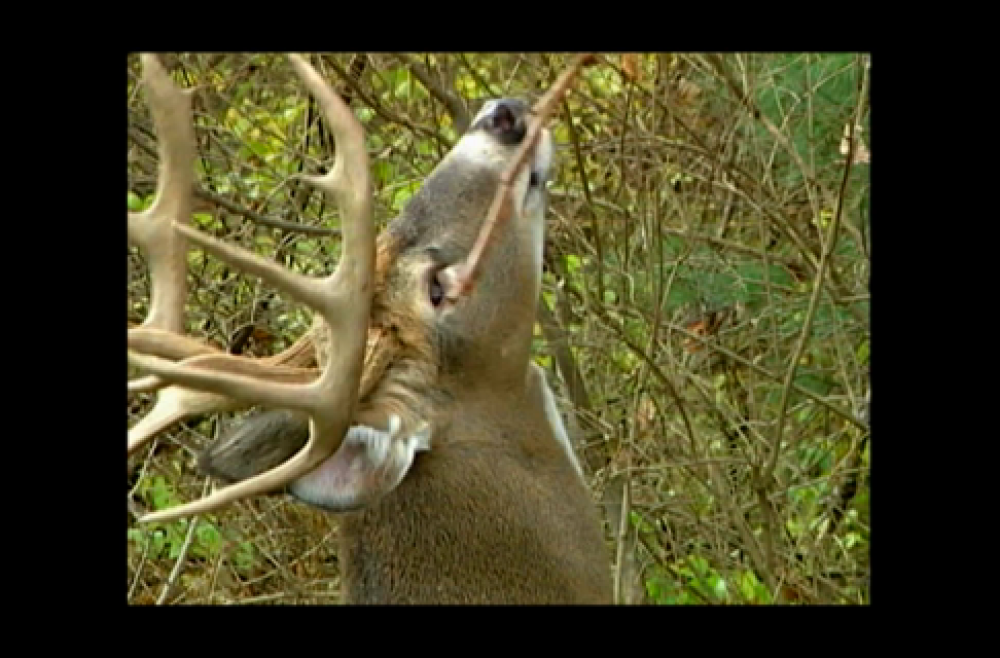
Bucks rub their antlers and faces on trees to leave scent marks. This tells other bucks to stay away and lets does know a buck is in the area.
- Urine Signals
Deer often urinate in specific places. The scent can carry messages about their health, age, and readiness to mate.
Here’s a comparison of the main scent glands in deer:
| Gland | Location | Main Purpose |
|---|---|---|
| Tarsal | Inside hind legs | Social signals, rutting |
| Preorbital | Near eyes | Marking branches |
| Metatarsal | Outside hind legs | Unknown, possibly alarm |
| Forehead | Between antlers | Marking trees |
Non-obvious Insight: Scent Layering
Deer often layer scents by rubbing, urinating, and using their glands in the same spot. This creates a complex message that can last days or weeks—much longer than a sound or body movement.
Visual Markings And Displays
Deer also use visual cues to communicate, especially during the breeding season.
- Antler Displays
Bucks show off their antlers to intimidate rivals. Bigger antlers often mean higher rank.
- Tree Rubs and Scrapes
Bucks rub trees with their antlers and scrape the ground with their hooves. The marks, combined with scent, send strong signals about territory and strength.
Here’s how visual and scent communication compare:
| Method | Visibility | Duration | Main Use |
|---|---|---|---|
| Sound | High (audible) | Seconds | Immediate warning or contact |
| Body language | High (visual) | Seconds to minutes | Social order, alarm |
| Scent | Low (invisible) | Days to weeks | Territory, mating |
| Visual marks | Medium (visible to deer) | Weeks | Territory, dominance |

How Deer Communication Helps Survival
The way deer share information is not just interesting; it is key to their survival. Fawns learn to hide when their mothers snort or stomp. Bucks avoid dangerous fights by sizing each other up with body language and antler displays.
A non-obvious insight is that deer communication is not just for their own species. Many other animals, including predators, learn to watch and listen to deer signals. For example, a snorting deer can alert birds and rabbits to danger too.
Challenges In Understanding Deer Communication
For humans, it is easy to miss the subtle cues deer give. Hunters, researchers, and wildlife watchers often focus on sounds, but the real “conversations” are happening through scent and body movements. New technology, like motion-activated cameras and scent analysis, is helping scientists learn more about these hidden signals.
If you want to observe deer, pay attention to their ears, tails, and how they move through the forest. Sometimes, you will see a whole group react to a single deer’s body language long before you hear anything.
Frequently Asked Questions
What Is The Most Common Way Deer Communicate?
Deer most often use body language. Movements of the tail, ears, and body posture send fast, silent messages to other deer.
Do Deer Make Loud Noises?
Yes, but only in certain situations. A snort is loud and meant as an alarm. During rut, bucks can be noisy with grunts and antler rattling.
How Important Is Scent For Deer Communication?
Scent is extremely important. Deer use scent glands and urine to leave long-lasting messages about territory and mating.
Can Humans Understand Deer Communication?
Humans can learn to read basic signals like tail-flagging and snorts. But many messages, especially scent cues, are hard for us to detect without special tools.
Where Can I Learn More About Animal Communication?
For more detailed information, you can visit the Wikipedia page on deer which covers behavior and communication in depth.
Deer may look quiet, but they are always “talking” in their own way. If you spend time watching and listening, you will discover a hidden world of signals that help deer survive in the wild. With patience and careful observation, anyone can start to understand the secret language of deer.