How Do Elk Respond To Humans?
Elk are some of the largest wild animals in North America and parts of Eurasia. When people see elk, they often feel amazed by their size, beauty, and gentle appearance. But elk are not just passive animals—they have their own ways of noticing, reacting to, and sometimes avoiding humans. Understanding how elk respond to humans is important for hikers, hunters, wildlife photographers, and anyone who visits nature. It also helps us protect elk and their habitats. This article will explore how elk sense humans, how their behavior changes, what influences their reactions, and the best ways for people to interact with them safely.
How Elk Sense Human Presence
Elk have strong senses that help them detect danger and find food. When humans are near, elk use these senses to decide what to do next.
Smell
Elk can smell humans from a long distance—sometimes more than half a mile away if the wind is right. Their sense of smell is much better than humans. They use it to notice not just people, but also dogs, smoke, and even traces left on plants or the ground.
If an elk smells something unfamiliar, it often becomes alert and may move away.
Hearing
Elk have large ears that can turn in different directions. This helps them hear soft sounds, like footsteps or talking. Even if you are quiet, elk may still hear you if you break a twig or walk on dry leaves.
If they hear humans, elk often stop what they are doing and listen carefully before deciding to stay or run.
Sight
Elk do not see as clearly as humans, but their eyes are good at noticing movement. They can spot a moving person from far away, especially if the person is not wearing natural colors. Elk are more likely to react if they see quick or sudden movements.
Common Elk Responses To Humans
Elk change their behavior when they sense humans are nearby. Their reactions depend on distance, the time of year, and what people are doing.
Alertness And Watching
If an elk notices a person far away, it usually becomes alert. The elk may lift its head, look toward the person, and stand very still. This is a way to decide if the human is a threat.
Fleeing Or Running Away
One of the most common elk responses is to move away from humans. They may walk or run, especially if people get too close. Elk can run up to 45 miles per hour for short distances. If you see elk start to move away, it means you are too close.
Group Behavior
Elk live in groups, called herds. When one elk senses danger, it may warn the others by raising its head or making a sharp noise. The whole herd may move together to stay safe.
Aggressive Behavior
During the rut (mating season), male elk called bulls can be aggressive if humans get too close. They may lower their heads, paw the ground, or even charge if they feel threatened. This is rare, but it happens more often during fall.
Ignoring People
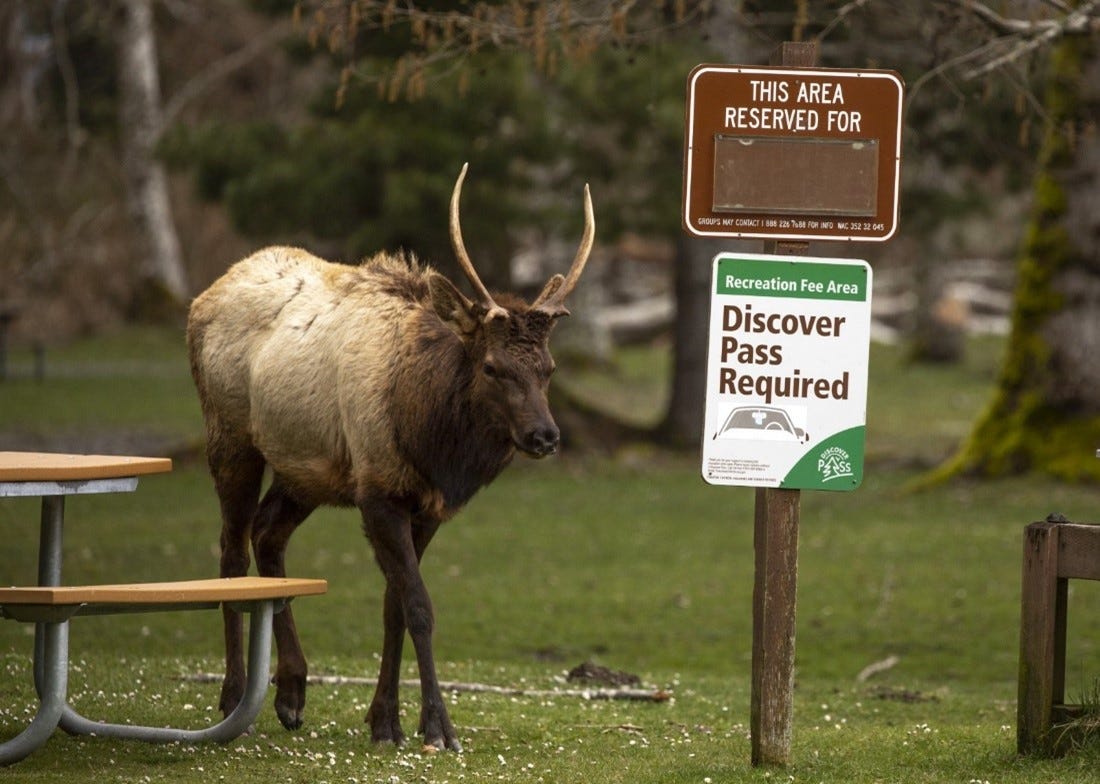
In places where elk see humans every day, like national parks or towns, some elk get used to people. They may ignore humans if they do not feel threatened. But even in these places, elk can change their behavior quickly if people act strangely or get too close.
Factors That Affect Elk Reactions
Elk do not always respond the same way to humans. Several things change their reactions.
Distance
The closer a person is, the more likely elk will move away. Research shows that elk usually start to run if a person comes within 150 feet (about 45 meters). Staying farther away is safer for both people and elk.
Human Behavior
Elk react more strongly to loud noises, sudden movements, or groups of people. If you move quietly and slowly, elk are less likely to run. Dogs, especially off-leash, often scare elk more than humans alone.
Time Of Year
Elk are most sensitive during calving season (spring) and rut (fall). Mothers with calves and bulls during mating season are more likely to show defensive or aggressive behaviors.
Habitat Type
Elk in forests may react differently than elk in open fields. Forest elk can hide more easily, while those in open areas may run sooner because there is nowhere to hide.
Past Experience
Elk that have had bad experiences with people (for example, being chased or hunted) are more likely to flee quickly. Elk in parks with many visitors may act more calmly.
How Human Activities Influence Elk
Different human activities affect elk in different ways. It is not just the presence of people, but what they do that matters.
Hiking And Recreation
When people hike or ride bikes near elk, the animals may move away from trails to avoid contact. If trails are very busy, elk may stop using some areas during the day and only come out at night.
Hunting
Hunting has a strong effect on elk behavior. During hunting season, elk become extra careful. They move more at night, use thick cover, and may change their home range. In areas with high hunting pressure, elk are much harder to see.
Roads And Vehicles
Elk often avoid busy roads. However, in some places, they get used to cars, especially if people feed them (which is not good for elk health). Vehicle collisions with elk are common in some regions, especially in winter.
Urban Encounters
In towns near elk habitat, elk sometimes enter neighborhoods, parks, or golf courses. They may become used to people, but this can be dangerous for both elk and humans if people try to touch or feed them.

Signs Elk Are Responding To You
Knowing when an elk is reacting to your presence helps you avoid problems. Watch for these signs:
- The elk lifts its head and looks at you.
- Its ears point toward you and stay focused.
- The elk stands very still or starts to walk away.
- It makes a sharp barking sound or stomps its feet.
- In groups, one elk may warn others, and the whole herd starts to move.
If you see these signs, you are probably too close. Back away slowly to give the elk more space.
Real-world Data: Elk Flight Distances
How close can you get before an elk runs away? Scientists call this the flight initiation distance (FID). It varies by location and elk experience.
Here is a comparison of average FID in different situations:
| Situation | Average FID (feet) | Notes |
|---|---|---|
| Wilderness areas | 220 | Elk are less used to people |
| National parks | 90 | Elk see people often |
| During hunting season | 300+ | Elk are extra cautious |
| Urban areas | 50 | Some elk almost ignore people |
These numbers show elk adjust their responses based on where they live and what people do.

Differences Between Elk And Other Wildlife Responses
Elk are not the only animals that change behavior around people. Here is a brief comparison with other large mammals:
| Animal | Typical Response to Humans | Danger Level |
|---|---|---|
| Elk | Move away, sometimes aggressive during rut | Medium (during rut) |
| Deer (White-tailed) | Run away quickly | Low |
| Moose | May ignore or charge if threatened | High |
| Bison | Often stand ground, can charge | High |
This shows elk are usually less aggressive than moose or bison but can still be dangerous, especially during mating season.
Non-obvious Insights About Elk And Humans
Many people think that if elk do not run away, they are tame or safe. But elk can change behavior suddenly, especially if protecting young or during rut. Two things beginners often miss:
- Habituation is not safety. Elk in parks may seem “tame,” but they are still wild. Many injuries happen because people get too close, thinking elk are safe.
- Stress is invisible. Elk that look calm may still be stressed by people nearby. This stress can affect their health, eating, and ability to care for young—even if they do not run.
How To Behave Around Elk
If you meet elk in the wild, you can help both yourself and the elk by following these tips:
- Stay at least 100 yards (about 90 meters) away.
- Move slowly and do not run.
- Keep dogs on a leash and far from elk.
- Do not feed, touch, or try to approach elk.
- Use binoculars or a camera zoom for closer views.
- During rut or calving season, be even more careful—bulls and mothers are more likely to charge.
- Respect signs and rules in parks about elk safety.
These steps reduce stress for elk and lower the risk of accidents for people.
Why Understanding Elk Responses Matters
Learning how elk respond to humans is important for several reasons:
- Wildlife conservation: Knowing when elk are stressed can help manage parks and hunting seasons.
- Public safety: Understanding elk behavior lowers the risk of injury.
- Better experiences: People can enjoy watching elk without causing harm.
For more detailed science on how animals respond to people, the Flight Initiation Distance article explains the research and methods in depth.
Frequently Asked Questions
What Should I Do If An Elk Approaches Me?
Stay calm and do not run. Move away slowly and give the elk plenty of space. If the elk seems aggressive (lowers head, paws ground), try to put a solid object like a tree between you and the animal.
Are Elk Dangerous To Humans?
Elk are usually not dangerous, but they can be during the rut (fall) or if protecting young. Injuries happen when people get too close. Most problems can be avoided by keeping a safe distance.
Why Do Elk Sometimes Come Into Towns?
Elk may enter towns searching for food, especially in winter. They are attracted to gardens, parks, or golf courses. In some places, elk have learned that people are less dangerous than predators.
How Can I Tell If An Elk Is Stressed?
Signs of stress include frequent looking toward people, moving away, raised hair, or repeated calling. Even if an elk looks calm, it can still be stressed if people are too close for a long time.
What Is The Best Way To Watch Elk Safely?
The safest way is to use binoculars or a camera with a zoom lens. Stay on marked trails, keep pets leashed, and respect park rules. Give elk plenty of room—at least 100 yards away is best.
Elk are wonderful animals to observe, but respecting their space is key to keeping both people and wildlife safe. By understanding how elk respond to humans, we can enjoy nature while protecting it for the future.