Elk are some of the most majestic animals in North America, roaming forests, grasslands, and mountain valleys. For hikers, hunters, and wildlife lovers, one question often comes up: Do elk smell danger from humans? This question is not just about curiosity—it’s important for anyone who wants to understand elk behavior or get closer to these wild animals safely. The answer lies in elk biology, their survival instincts, and the science of scent. Let’s explore how elk detect human presence, what their sense of smell can do, and what this means for people sharing their environment.
The Elk’s Sense Of Smell: How Powerful Is It?
Elk, also called wapiti, rely on their sense of smell for survival. Their large nostrils and advanced olfactory system make them experts at detecting scents in their environment.
A study by wildlife biologists found that elk have up to twice as many scent receptors as domestic dogs. While a dog may have around 220 million olfactory receptors, elk can exceed 400 million. This allows them to pick up scents from far away—sometimes over half a mile in the right conditions.
Elk use their sense of smell to:
- Detect predators like wolves or bears
- Locate food, especially in winter
- Identify other elk in their herd
When it comes to humans, elk can recognize even faint traces of our scent. This is one reason why elk are so elusive in the wild.
Can Elk Really Smell Humans From Far Away?
Yes, elk can smell humans from a surprising distance. The exact range depends on several factors:
- Wind direction and speed
- Humidity and rain
- Obstacles like trees or rocks
In open areas with the wind blowing toward them, elk have been observed reacting to human scent from over 1,000 yards away. In forests or thick brush, the range might drop, but it’s still impressive.
Here’s a simple comparison:
| Animal | Average Scent Detection Range (yards) |
|---|---|
| Elk | 1,000+ |
| White-tailed Deer | 600–800 |
| Domestic Dog | 300–500 |
Elk’s ability to smell is one of their main defenses against humans, especially hunters.
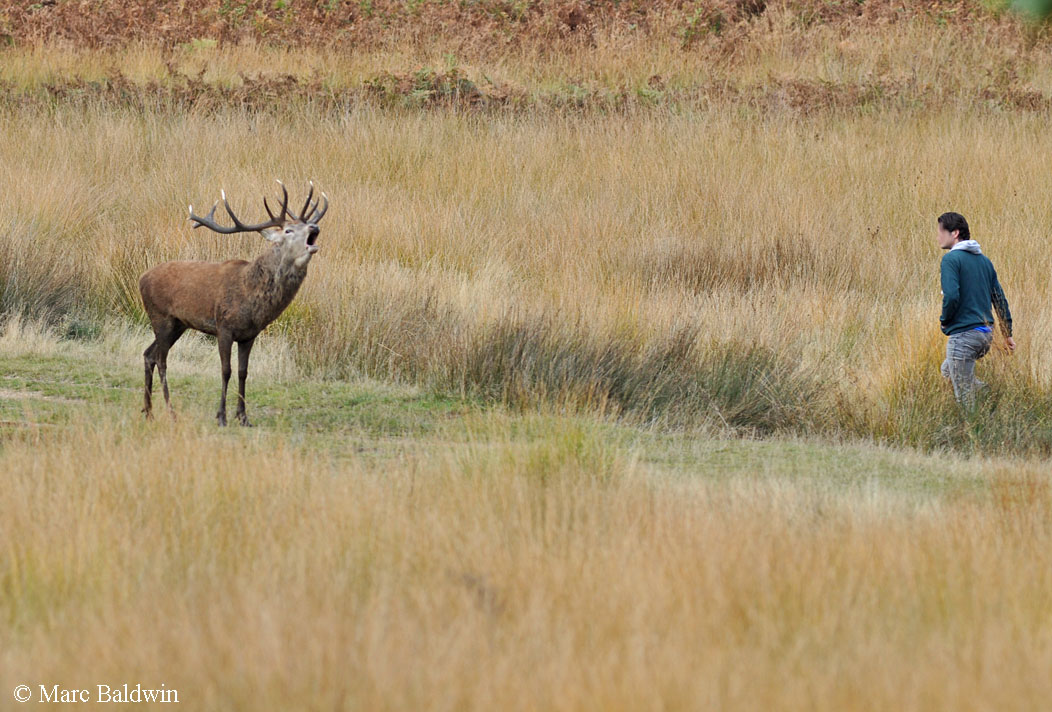
How Do Elk React When They Smell Humans?
Elk are prey animals, so they’re wired to be cautious. When an elk detects human scent, its first reaction is usually alertness. The elk may:
- Stop moving and raise its head
- Face the wind to smell better
- Listen for unusual sounds
If the scent is strong or close, elk often leave the area. Sometimes, a whole herd will move quietly away before a person ever sees them.
In areas where elk are hunted or disturbed, they become even more sensitive to human smell. In national parks where humans are non-threatening, elk may tolerate closer approaches, but they still notice and react to scent.
The Science Behind Scent Detection
Why are elk so good at smelling danger? Their noses are built for it. Inside the elk’s nasal cavity, there are special folds called turbinates. These increase the surface area, letting elk sample more air with each breath.
Elk’s brains are also adapted to process scent signals quickly. This is how they can tell the difference between a wolf, a bear, or a human. They learn to associate certain smells with threats over time, making their reactions smarter as they age.
Human Scent: What Makes It So Noticeable?
Humans give off a complex mix of smells—sweat, skin oils, deodorants, food, smoke, and even the material of our clothes. To an elk, these are not natural forest smells.
Some specific things that make human scent stand out:
- Synthetic fabrics (like nylon or polyester) hold scents longer.
- Personal care products (shampoo, soap, deodorant) have strong perfumes.
- Campfire smoke or vehicle exhaust can linger for hours.
Even if a person is careful, elk can often detect the tiniest trace. Hunters and photographers try to reduce their scent, but complete elimination is almost impossible.
Weather And Terrain: How They Affect Elk’s Ability To Smell
The environment changes how well elk can detect danger by scent. Here’s how different factors play a role:
- Wind: Scent moves with the wind. If the wind is blowing from a human toward elk, they’ll pick it up much faster.
- Rain or High Humidity: Moist air carries scent molecules farther, making it easier for elk to detect humans.
- Hot, Dry Weather: Scent doesn’t travel as well; it may stick close to the ground.
- Thick Forests: Trees and plants can block or redirect scents, sometimes hiding a person’s presence.
An experienced elk can use wind and terrain to stay safe, often moving into the wind to check for danger.
Real-world Examples: Elk Scent Detection In Action
Wildlife researchers and hunters have many stories about elk detecting humans by smell. For example, in Montana, a biologist tracking elk with a GPS collar noted that elk would suddenly move away even when the person was still hundreds of yards downwind.
Another example comes from bowhunters, who often report elk “busting” them the moment the wind shifted. Even hunters who wore scent-blocking clothing and avoided strong-smelling foods found that elk seemed to sense their presence if the wind was wrong.
These stories show that elk’s sense of smell is not just theory—it’s a daily reality in the wild.
How Elk’s Sense Of Smell Helps Them Survive
Elk are hunted by wolves, cougars, bears, and humans. Their sense of smell is their first line of defense. When they smell danger, elk can:
- Move quietly to thicker cover
- Group together for safety
- Avoid returning to the same spot for days
This is why elk are hard to approach in the wild. Their ability to detect scent gives them a real advantage.
Can Humans Hide Their Scent From Elk?
Many people try to “beat” the elk’s nose. Hunters use scent-free soaps, special clothing, and even sprays to reduce their smell. Some tactics help, but nothing is perfect.
Here’s a look at some common scent-control methods:
| Method | Effectiveness | Notes |
|---|---|---|
| Scent-Free Soap | Moderate | Helps reduce strong odors, but natural scent remains |
| Carbon-Lined Clothing | Moderate | Can trap some scent, but not all |
| Scent-Blocking Sprays | Low to Moderate | Temporary effect, wears off quickly |
| Playing the Wind | High | Most important tactic—stay downwind of elk |
The most effective technique is to pay attention to wind direction and stay downwind of elk at all times. Even with modern technology, elk usually win the scent game.
Non-obvious Insights Most People Miss
- Elk remember and avoid human scent for days. If elk smell a person in an area, they may not return to that spot for a week or more. This means that even if you don’t see them, your presence can change their habits.
- Scent lingers on vegetation and ground. Elk can detect where a person has walked, even hours after they have left. This is why experienced trackers are careful about their route.
Common Mistakes When Trying To Avoid Detection
Beginners often make these errors:
- Ignoring wind direction: No matter how “scent-free” you are, if the wind is wrong, elk will smell you.
- Overusing sprays: Scent blockers can help, but they are not magic. Relying only on them leads to failure.
- Using scented products: Even a small amount of deodorant or laundry detergent can alert elk.
Understanding these mistakes can help anyone get closer to elk or observe them in the wild.
Elk Scent Detection Compared To Other Animals
Elk are not the only animals with a strong sense of smell. Here’s how they compare to other common wildlife:
| Species | Olfactory Receptors (Millions) | Typical Use |
|---|---|---|
| Elk | 400+ | Detecting predators, food, mates |
| Whitetail Deer | 297 | Similar uses |
| Wolf | 280 | Tracking prey |
| Human | 5 | Basic scent detection |
Elk’s sense of smell is among the best in North America, making them masters at avoiding danger.

Practical Tips For Observing Elk Without Alerting Them
If you want to see elk in the wild, use these strategies:
- Check the wind direction. Always approach from downwind.
- Wear natural fabrics and avoid strong-smelling products.
- Move slowly and avoid talking loudly.
- Be patient. Sometimes, it takes hours for elk to become comfortable.
- Watch for signs. If elk lift their heads or start moving away, back off and try a different angle.
These tips can help you have a better, more respectful experience with elk.
The Role Of Scent In Elk Social Life
Elk use their sense of smell for more than just detecting danger. Bulls and cows identify each other by scent, especially during the rut (mating season). Calves recognize their mothers, and herds stay together partly through scent cues. This strong sense of smell is a key part of elk society.

What Science Says: Latest Research On Elk And Scent
Recent studies confirm that elk rely on scent more than sight or hearing in many cases. Researchers tracking elk movements with GPS found that elk changed their travel routes after detecting human scent, even in areas with no direct contact.
One study from the University of Montana found that elk exposed to human scent altered their feeding times and locations, sometimes moving to higher elevations or denser cover. This shows how sensitive elk are to even the smallest sign of humans.
For more on this topic, see the research at National Park Service.
Frequently Asked Questions
How Far Can Elk Smell Humans?
Elk can detect human scent from over 1,000 yards away in open terrain with the wind blowing toward them. In forests or with changing winds, the range may be less, but it’s still several hundred yards.
Do Elk Get Used To Human Smells Over Time?
Elk in areas with frequent, non-threatening human presence (like parks) may become less reactive, but wild elk remain sensitive. They still notice and react to human scent, even if they don’t always flee.
Can Scent-blocking Sprays Make Me Invisible To Elk?
No. Scent-blocking sprays can reduce your odor, but elk can usually still detect some scent. The wind is the most important factor—staying downwind is essential.
Is It True Elk Avoid Areas With Human Scent For Days?
Yes. Elk often avoid spots where they have smelled humans, sometimes not returning for a week or longer. This habit helps them survive in areas with predators.
Why Do Some People See Elk Up Close In Parks?
Elk in protected areas may lose some fear of humans, but they still rely on their sense of smell. If they sense danger—like chasing or loud noises—they will move away.
Elk’s sense of smell is an amazing survival tool. For anyone hoping to observe, photograph, or hunt elk, understanding their ability to detect humans is critical. Respect their space, learn about the wind, and remember that elk’s noses are almost impossible to fool.
The more you know about elk, the more you’ll appreciate these incredible animals.