Elk and deer often share the same forests, meadows, and mountain slopes. Many people wonder how these two large mammals interact. Do they compete, fight, or ignore each other? Understanding their interactions helps us see how wild ecosystems work and why both species are important for a healthy environment.
Let’s dive deep into the complex relationship between elk and deer.
Differences Between Elk And Deer
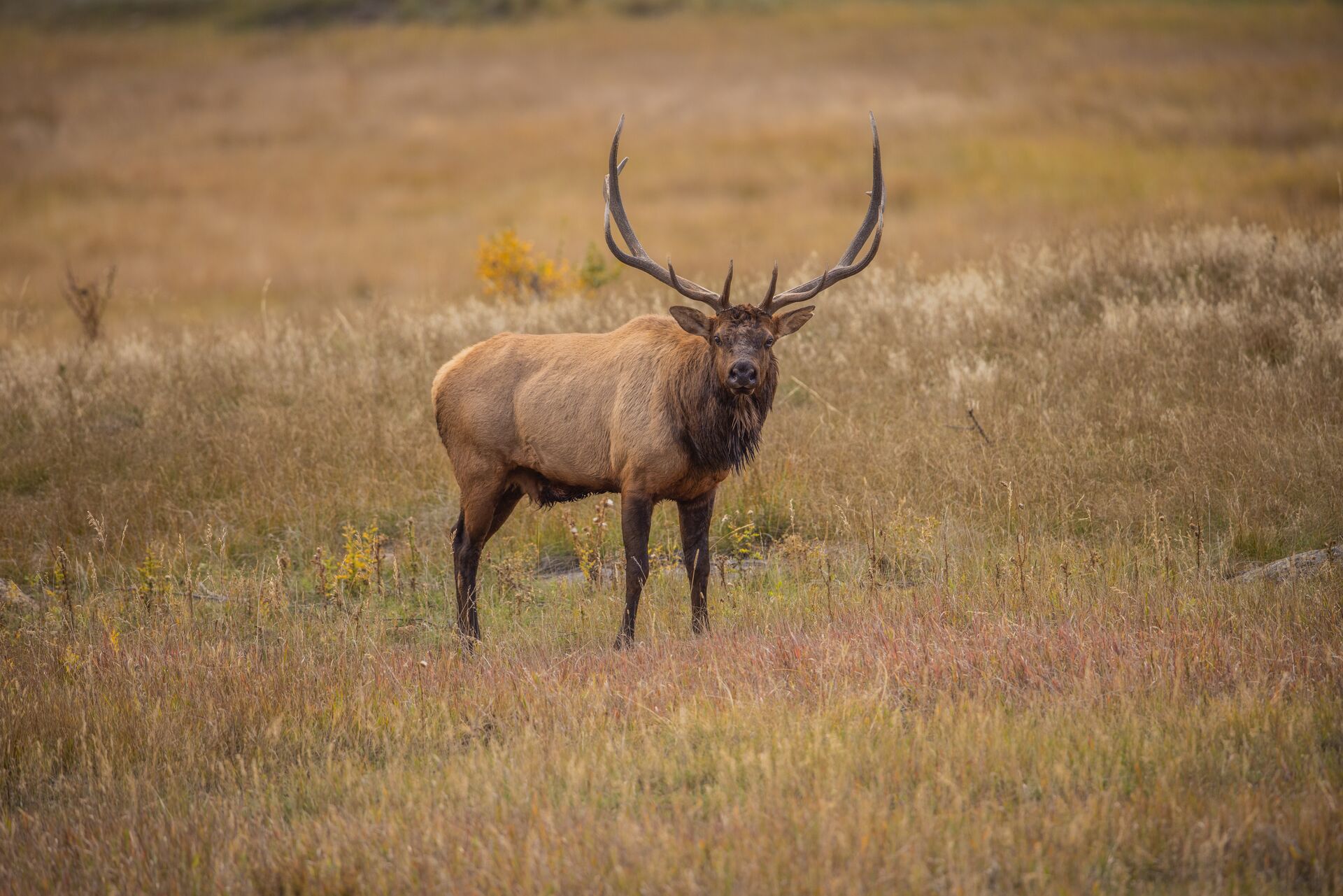
Although elk and deer look similar, they are quite different in size, behavior, and habitat needs. Elk, also known as wapiti, are among the largest land mammals in North America and Eurasia. Adult male elk can weigh up to 700 pounds (320 kg), while female elk are usually smaller.
In contrast, the most common deer species in North America, the white-tailed deer, rarely exceeds 300 pounds (136 kg) for large males.
Elk have a thick, dark brown mane and large, sweeping antlers. Deer have lighter bodies, smaller heads, and antlers that are more branched. Their diets also differ: elk prefer grasses and forbs, while deer eat more shrubs and leaves.
These differences set the stage for how elk and deer interact when they share the same area.
Where Elk And Deer Meet
Elk and deer often overlap in regions with forests, grasslands, and mixed woodlands. This happens most in western North America, parts of Europe, and central Asia. In North America, places like the Rocky Mountains, Yellowstone, and the forests of British Columbia are home to both species.
During summer, both species can be found in high mountain meadows. In winter, they may move to lower elevations. However, their preferred feeding areas can be different even when they are close.
Competition For Food
One of the main ways elk and deer interact is competition. Both need to eat, but their diets only partly overlap. Elk are grazers, which means they eat mainly grasses. Deer are browsers, so they focus on leaves, twigs, and shrubs.
When Food Is Scarce
In winter, food becomes limited. Both species may be forced to eat what is available, leading to more direct competition. Research from the University of Wyoming found that when elk populations are high, deer numbers often fall. This suggests that elk, with their larger size and ability to eat more types of food, outcompete deer for the best resources.
Effects On Each Other’s Health
When deer have to compete with elk, they may not get enough nutrition. This can lead to lower birth rates, smaller fawns, and higher death rates during harsh winters. Elk, being bigger and stronger, are less affected.
However, in areas where deer are more numerous, young elk may struggle to find enough shrubs and forbs in spring.
Territorial Behavior And Social Structure
Elk and deer are both social animals but behave differently. Elk live in larger herds, sometimes numbering in the hundreds. They often move together across wide areas. Deer prefer smaller family groups or may even live alone, especially adult males.
Do Elk And Deer Fight?
Direct aggression between elk and deer is rare. Elk are larger and usually ignore deer. However, during mating season, elk bulls can be territorial. A dominant elk bull may chase deer away from feeding or resting spots. Deer, being more cautious, usually avoid confrontation.
Sharing Space
Both species can use the same area at different times of day or year. For example, deer may feed in an open field early in the morning, while elk use the same field later. This temporal separation helps reduce direct conflict.
Mating And Breeding Seasons
Elk and deer have different mating seasons, called rut. Elk rut occurs in late September to October, while deer rut happens in November. During these times, males become aggressive and fight among their own species for mates.
Cross-breeding
Although elk and deer are related, they cannot breed with each other in the wild. Their genetic differences prevent them from producing offspring together. This keeps their populations separate, even when they live side by side.
Disease Transmission
Another important interaction is the spread of disease. Both elk and deer can carry and transmit illnesses like chronic wasting disease (CWD), a fatal brain disease found in deer family members.
How Diseases Spread
When elk and deer feed in the same area, especially at artificial feeding sites, diseases can pass from one species to the other. This is a concern for wildlife managers, as it can impact not just wild populations but also farmed animals.
Managing Disease Risks
Wildlife officials may limit feeding stations or move animals to control outbreaks. Understanding how elk and deer mix is key to managing disease.
Impact On The Environment
Elk and deer both shape the landscape. When their populations are high, they can change which plants grow in an area.
Overgrazing And Browsing
Elk, because of their size and herd numbers, can overgraze meadows, reducing grass cover. Deer, with their browsing habits, can thin out shrubs and young trees. When both are present, the impact can be stronger, leading to fewer places for birds and other small animals to live.
Positive Effects
At moderate numbers, elk and deer help control plant growth and spread seeds. Their droppings fertilize the soil. When kept in balance, their presence is good for the ecosystem.
Predator And Prey Relationships
Both elk and deer are prey for large predators like wolves, cougars, and bears. When these predators are present, they help keep elk and deer numbers in check.
Impact Of Predators On Interactions
When wolf numbers rise, elk often move to thicker forests or higher ground, areas where deer may already live. This can increase competition for food and shelter. However, predators also keep both species alert and moving, which can reduce overgrazing.
Human Influence On Interactions
Humans shape how elk and deer interact through hunting, land use, and habitat changes.
Hunting Pressure
In some regions, hunting of elk is allowed while deer hunting is restricted, or vice versa. This affects population balance and can change how the two species compete.
Habitat Changes
Urban growth, farming, and logging can create new open areas or reduce forest cover. These changes sometimes favor deer, which are more adaptable, and push elk into smaller spaces. In other cases, elk can take over fields that were once forests, leading to more interaction.
Real-life Examples
Let’s look at some real examples that show how elk and deer interact.
- In Yellowstone National Park, after wolves were reintroduced, elk numbers dropped, and willow shrubs returned. This gave more food for deer and other animals.
- In Oregon, studies found that where elk herds increased, black-tailed deer numbers went down, mainly because elk outcompeted them for food in winter.
These examples show that the balance between elk and deer can change quickly based on predators, food, and human actions.
Data Comparison: Elk Vs. Deer
Understanding the differences between elk and deer helps explain their interactions. Here’s a quick side-by-side look:
| Feature | Elk | Deer |
|---|---|---|
| Average Weight (Male) | 600-700 lbs (272-318 kg) | 150-300 lbs (68-136 kg) |
| Group Size | Large herds (20-400) | Small groups or solitary |
| Main Diet | Grasses, forbs | Shrubs, leaves, twigs |
| Mating Season | Sept-Oct | Nov-Dec |
How Elk And Deer Use The Same Habitat
Both species can live together, but their use of space often depends on food availability, cover, and predator presence.
| Habitat Type | Elk Usage | Deer Usage |
|---|---|---|
| Open Meadows | Frequent grazers | Occasional feeders |
| Dense Forest | Travel corridor, less feeding | Main feeding and shelter area |
| Edge Habitats | Resting and feeding | Preferred area for both food and cover |
What Beginners Often Miss
- Elk Are Not Always Dominant: Many assume that elk always outcompete deer due to their size. In reality, deer can thrive in thick forests and urban edges where elk struggle to survive. This means both species have unique strengths.
- Habitat Fragmentation Changes Interactions: When forests are split by roads or farms, deer often adapt better than elk. This can lead to more deer and fewer elk, changing how they interact and use the landscape.
Conservation And Management
Wildlife managers monitor both elk and deer populations to keep a healthy balance. If one species becomes too numerous, it can harm forests and meadows, affecting other wildlife.
Techniques Used
- Population surveys: Track numbers of elk and deer every year.
- Habitat improvements: Plant grasses for elk, shrubs for deer, and restore wetlands.
- Predator management: Monitor wolf, bear, and cougar numbers.
These steps help keep both species healthy and reduce negative impacts on the environment.
The Bigger Picture
Elk and deer interactions are shaped by many factors—food, space, predators, disease, and humans. Both species are important parts of wild places. Understanding how they live together helps us protect forests, grasslands, and all the creatures that depend on them.
To learn more about elk and deer, visit the National Geographic Elk Facts.
Frequently Asked Questions
How Do Elk And Deer Recognize Each Other?
Elk and deer use scent, body language, and sound to identify each other. Deer may be alert around elk but usually do not see them as a threat unless elk behave aggressively.
Can Elk And Deer Mate And Have Hybrid Offspring?
No, elk and deer cannot produce hybrids in the wild. Their genetics are too different, and even if they share the same habitat, they do not interbreed.
What Happens If Elk Populations Grow Too Large?
When elk numbers are too high, they can overgraze meadows and reduce food for deer and other animals. This can lead to poor health for both species and damage to the ecosystem.
Do Elk And Deer Ever Cooperate?
Elk and deer do not cooperate directly. They may share space for safety from predators, but each species is focused on its own survival.
Which Species Is More Adaptable To Human Presence?
Deer are more adaptable to human environments. They often live near farms and towns, while elk need larger wild areas and are more sensitive to human disturbance.
Elk and deer are fascinating animals with a complex relationship. Understanding their interactions gives us insight into the balance of nature and the importance of protecting wild places for future generations.