
Elk are majestic animals known for their size, antlers, and presence across North America. For farmers and gardeners, though, elk can be less romantic and more of a headache. If you live in areas where elk roam, you might wonder: do elk really eat crops? The answer is yes, but there’s much more to the story. Understanding why elk eat crops, what they prefer, how much damage they cause, and ways to protect your farm is essential for anyone working the land near elk populations. Let’s explore these questions in detail, offering clear guidance and real-world insights.
Understanding Elk Diets
Elk are herbivores, which means their diet consists only of plants. In the wild, elk feed on grasses, leaves, bark, and shrubs. Their natural menu is broad, but it changes with the seasons.
In spring and summer, elk prefer young grasses and forbs. These are tender and full of nutrients. In fall, they eat more woody plants, including twigs and bark. When winter comes and natural food becomes scarce, elk will eat almost any plant they find.
But as human settlements and farms expand into traditional elk habitats, these animals often find easier meals in agricultural fields. The lure of plentiful, high-calorie crops can be irresistible.
Why Elk Are Attracted To Crops
Elk are drawn to crops for several reasons:
- High Nutrition: Crops like alfalfa, corn, and wheat are more nutritious and calorie-rich than most wild plants.
- Availability: Fields often offer large amounts of food in one place, making it easier for elk to feed.
- Seasonal Scarcity: When natural food is low, especially in winter or drought, crops become even more attractive.
- Taste Preference: Elk often prefer the taste of cultivated plants, just like deer or other wildlife.
Even a small herd can cause major damage if they find a field of their favorite crop.
Common Crops Elk Eat
Elk are not too picky when hungry, but they do have favorites. Here are the crops most often eaten by elk:
| Crop | Why Elk Eat It | Typical Damage Level |
|---|---|---|
| Alfalfa | High protein, tasty, available in spring/summer | Very High |
| Corn | High energy, soft stalks and ears | High |
| Wheat | Accessible, palatable, easy to graze | Moderate to High |
| Barley | Nutrient-rich, easy to chew | Moderate |
| Orchard Grass | Soft, nutritious, grows early in season | High |
| Fruit Trees (apples, cherries, pears) | Sweet fruit and tender leaves | High (especially to young trees) |
| Vegetables (carrots, lettuce, cabbage) | Soft texture, easy to pull up | Moderate |
In many regions, farmers report that elk will choose alfalfa or corn fields over wild grasslands, especially during spring and late summer.
How Much Damage Can Elk Cause?
The impact of elk on crops can be serious. A single elk eats up to 9 kg (20 pounds) of vegetation per day. A herd of 20 elk can consume about 180 kg (400 pounds) daily from your fields. This isn’t just a problem for large farms—small gardens and orchards can also suffer.
Some specific examples:
- In Idaho, a study found that elk destroyed up to 30% of alfalfa in some fields.
- In Colorado, elk damage to hay fields cost farmers over $1.5 million in a single year.
- In Montana, elk wiped out entire sections of wheat near forest edges.
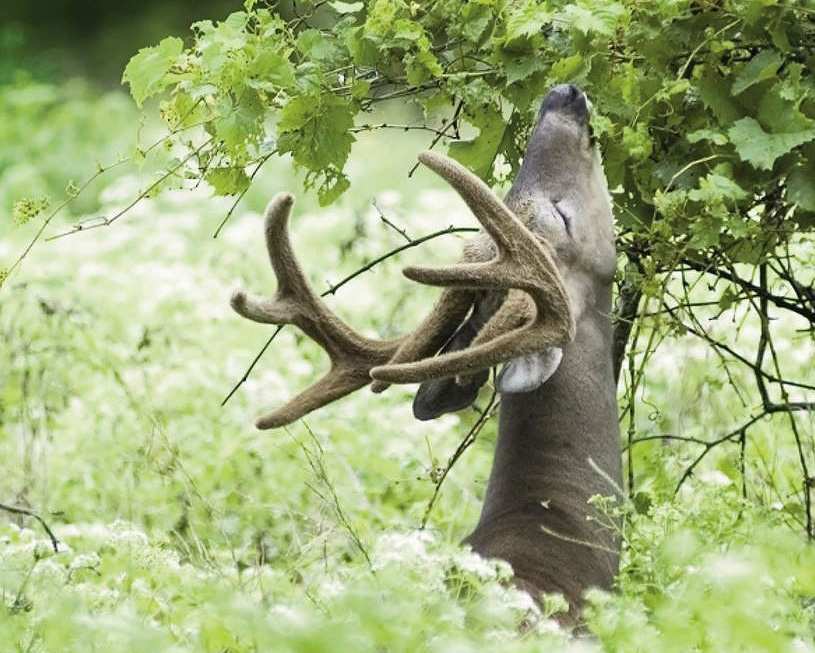
Damage is not just from eating. Elk often trample crops as they move, rest, or run. They may break young fruit trees, especially when rubbing their antlers in autumn. This physical destruction often leads to more loss than feeding alone.
Elk Vs. Other Wildlife: Crop Damage Compared
Farmers often deal with deer, rabbits, and birds eating their crops. How do elk compare?
| Animal | Average Size | Daily Food Intake | Damage Style |
|---|---|---|---|
| Elk | 225-320 kg (500-700 lbs) | 9 kg (20 lbs) | Heavy grazing, trampling, antler rubbing |
| Deer | 50-150 kg (110-330 lbs) | 2-4 kg (4-9 lbs) | Selective grazing, light trampling |
| Rabbits | 1-2 kg (2-4 lbs) | 0.1-0.2 kg (0.2-0.4 lbs) | Nibbling shoots, little trampling |
| Birds | 0.05-1 kg (0.1-2 lbs) | Tiny amounts | Pecking, little trampling |
As you can see, elk can do more damage, faster, than smaller animals. Their large bodies and herding behavior make elk a top concern for crop protection.
When And Where Elk Crop Damage Is Worst
Elk damage is not equal everywhere or at all times. Here’s what matters:
Time Of Year
- Late winter and early spring: Natural food is scarce, so elk turn to easy sources.
- Late summer: Elk are building fat for winter and will seek high-energy crops.
- Autumn: Young elk and bulls in rut (breeding season) may trample and rub on crops.
Location
- Edge fields near forests: Crops close to elk habitats are at highest risk.
- Irrigated land: Green fields stay attractive to elk even in dry times.
- Small farms and gardens: These can be wiped out quickly if elk discover them.
Non-obvious Insight
Some fields are hit year after year because elk remember good food sources. Once a herd finds a safe, easy place to eat, they often return every season—even teaching younger elk the route.

How Do Farmers Protect Crops From Elk?
Dealing with elk is a challenge, but many solutions exist. Some are simple, others require investment.
1. Fencing
Strong fencing is the most reliable method. However, elk can jump over 2 meters (6.5 feet), so fences must be tall and sturdy.
- Woven wire or electric fences are popular.
- For orchards or gardens, a double row of fences spaced a few feet apart can confuse elk and keep them out.
- Regular maintenance is needed—elk will find weak spots.
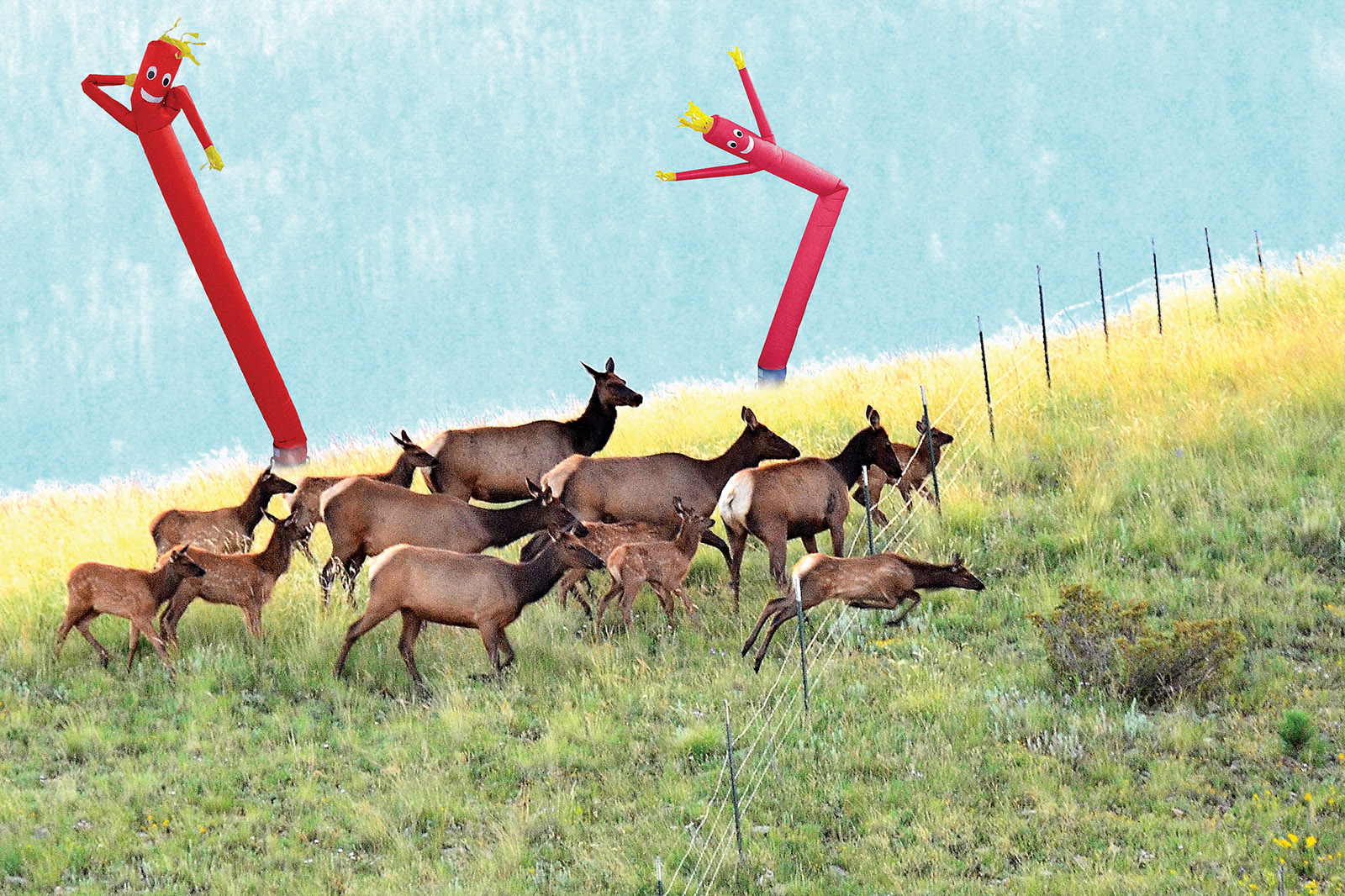
2. Hazing And Scaring
Noise makers, lights, or even dogs can scare elk away. However, elk are smart. Over time, they get used to these tricks if not changed regularly.
- Motion-activated sprinklers or alarms work best when rotated often.
- Herds may split, with some members still returning.
3. Chemical Repellents
Some sprays, especially those with strong odors or bitter tastes, can deter elk from eating plants. These must be reapplied after rain and may not work on large fields.
- Use repellents on the edges of fields or on high-value crops.
- Not effective for large herds or during food shortages.
4. Crop Selection And Rotation
Planting less attractive crops along field edges can help. For example, tall, tough grasses or herbs elk dislike may act as a barrier.
- Rotate crops to confuse elk and avoid patterns.
- Use sacrificial plots—small areas planted with elk favorites far from main fields.
5. Community And Government Programs
In some regions, wildlife agencies help farmers reduce elk damage. Solutions include:
- Compensation for losses
- Help with fencing costs
- Permits for limited elk hunting to scare herds away
Check with your local extension office or wildlife agency for programs in your area.
6. Non-obvious Insight
Elk can learn from negative experiences. If a field is protected strongly for a few years, elk may “teach” their young to avoid it. But if protection stops, herds may quickly return. Consistency is key.
Living With Elk: Balancing Conservation And Agriculture
Elk are a part of the natural heritage in many regions. While they can cause losses, they are also valued for tourism, hunting, and ecosystem health.
Some farmers find ways to coexist:
- Creating wildlife corridors: These allow elk to move without crossing fields.
- Planting buffer zones: Wild plants or trees can “distract” elk from crops.
- Ecotourism: Some landowners host elk viewing or hunting, earning income.
Balancing needs takes effort, but understanding elk behavior and staying proactive helps.
Real-world Example
In Oregon, a family farm lost nearly half its corn crop to elk three years in a row. After installing a 2.5-meter (8-foot) electric fence and using motion-activated lights, elk visits dropped sharply. The family also planted a buffer of wild grass between woods and cornfield, giving elk a less valuable food option. Their losses fell from 50% to less than 5% the following season.
Long-term Trends And Research
Scientists continue to study elk-crop interactions. As elk populations recover in some states, conflicts with agriculture rise. Urban expansion pushes elk into smaller wild areas, making farms more attractive.
According to the US Department of Agriculture, wildlife-related crop losses in the U.S. reach billions of dollars each year, with elk among the main contributors in western states. Research focuses on better fencing, non-lethal deterrents, and new farming methods that reduce conflict.
Frequently Asked Questions
What Crops Do Elk Prefer The Most?
Elk are especially drawn to alfalfa, corn, and orchard grass. They also eat wheat, barley, fruit trees, and vegetables if other food is limited.
Can Elk Destroy A Whole Field In One Night?
A large elk herd can eat and trample hundreds of kilograms of crops overnight. Entire small fields or gardens can be wiped out quickly, especially if crops are at peak growth.
Are Elk More Destructive Than Deer?
Yes, elk are larger and eat more per day than deer. Their herds are bigger, and their weight causes more trampling and physical damage.
Will Fencing Really Keep Elk Out?
Tall, well-built fences (over 2 meters/6. 5 feet) can keep most elk out. However, elk are strong and clever, so fences must be maintained and sometimes electrified for best results.
Is There Any Way To Prevent Elk Damage Without Harming The Animals?
Yes. Non-lethal methods like fencing, repellents, hazing, and crop rotation can reduce elk damage without hurting them. Community programs and government support can also help farmers protect crops and wildlife.
Elk eating crops is a real challenge, but with understanding and good planning, it is possible to protect your harvest and live alongside these impressive animals. Staying alert, investing in strong protection, and learning from neighbors’ experiences are the best ways to reduce losses and keep elk and agriculture in balance.