Tracking deer can be both exciting and challenging, whether you’re a hunter, wildlife photographer, or simply enjoy observing nature. Understanding how to track deer helps you get closer to these shy animals and can also teach you more about their world.
Anyone can learn this skill, but it requires patience, careful observation, and knowledge of deer behavior. This guide covers everything you need to know to track deer successfully, even if you are a beginner.
Understanding Deer Behavior
Before you start, it’s important to know how deer behave. Deer are most active at dawn and dusk. They prefer areas with food, water, and cover. Deer usually travel the same paths daily, making trails that are easy to spot if you know what to look for.
Key insight: Deer have excellent senses. Their hearing and sense of smell are much better than humans. They can spot movement from far away. So, moving quietly and slowly is critical when tracking.
Finding Deer Signs
To track deer, you need to learn how to read the signs they leave behind. These signs tell you where deer have been and where they might go.
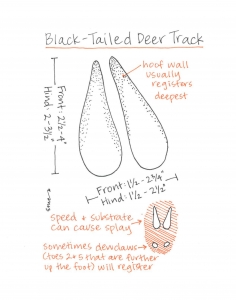
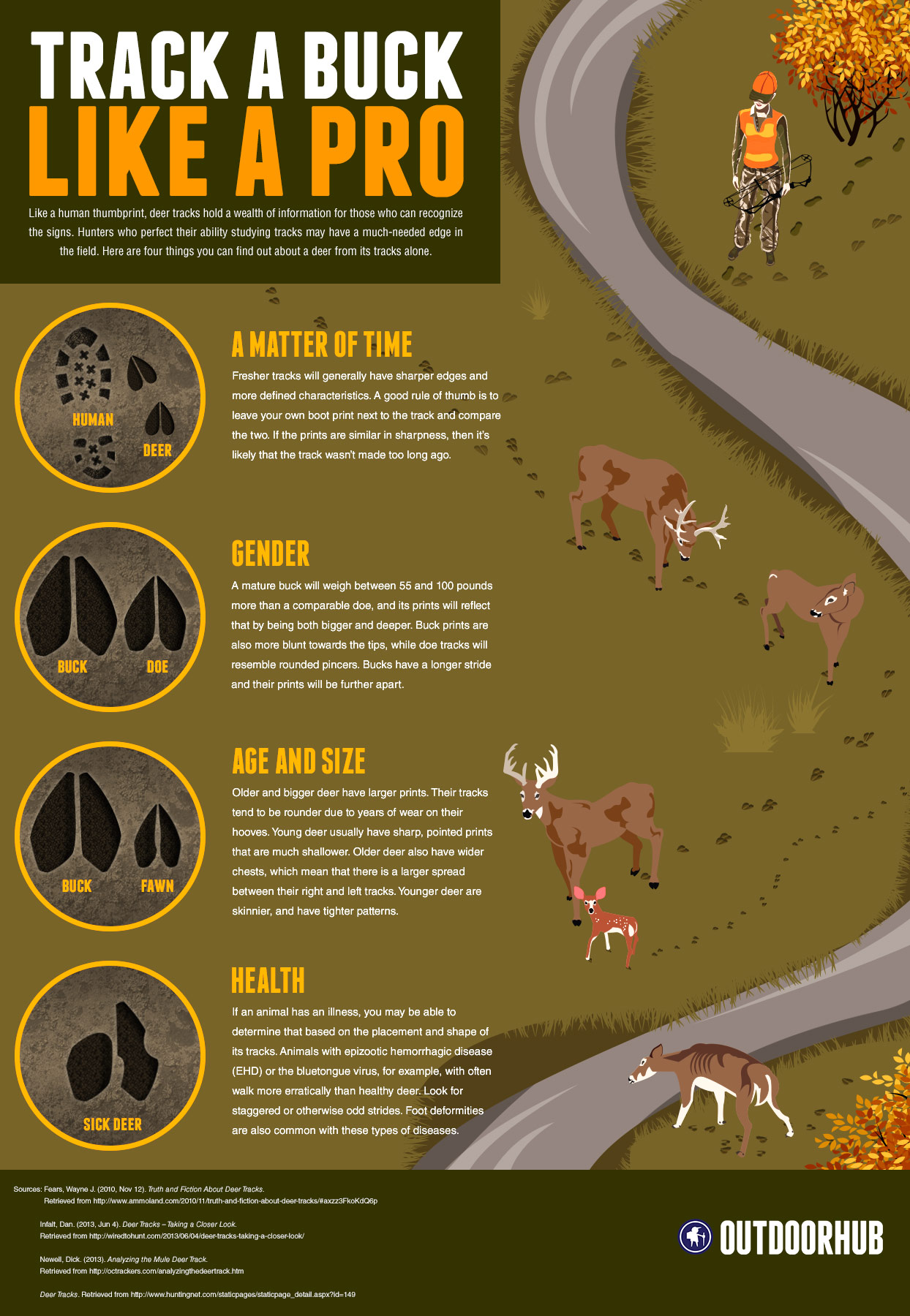
- Tracks: Deer tracks are heart-shaped and point in the direction the deer is moving. Fresh tracks look sharp and clear, while old tracks are faded or filled with dirt.
- Droppings: Deer droppings look like small, oval pellets. Fresh droppings are dark and moist, while older ones are dry and lighter in color.
- Trails: Repeated use creates clear deer trails in grass, leaves, or dirt. These are often found near food sources like fields or oak trees.
- Beds: Deer rest in shallow, oval areas where leaves or grass are pressed down. You may find these in thick cover or tall grass.
- Rubs: Male deer (bucks) scrape their antlers against trees, leaving marks and removing bark. Rubs are usually found on small trees, between 1 and 4 feet high.
- Scrapes: Bucks also make scrapes by pawing the ground and urinating in the spot. Scrapes are often found under low-hanging branches.
Non-obvious insight: Sometimes, the absence of signs is also a clue. If you are not finding any deer signs, you may be in the wrong area or the deer have changed their patterns.
Essential Gear For Tracking
While you can start tracking with just your eyes, certain tools make the process easier and more accurate.
| Gear | Purpose | Beginner-Friendly? |
|---|---|---|
| Binoculars | Spot deer from a distance | Yes |
| Field guide | Identify tracks and signs | Yes |
| Map & Compass | Navigation in dense woods | Yes |
| Camera | Document signs and tracks | Optional |
| Boots | Silent movement and comfort | Yes |
Practical tip: Bring a notebook to jot down the time, weather, and location where you find deer signs. This helps you spot patterns over time.
Step-by-step Guide To Tracking Deer
1. Start Early Or Late
Deer move most at dawn and dusk. Plan your tracking trips during these times for better success.
2. Find A Starting Point
Begin at a location with known deer activity, such as food plots, water sources, or forest edges. Look for fresh tracks or droppings.
3. Move Slowly And Quietly
Take small steps and avoid breaking branches. Stop often to scan your surroundings. Use your binoculars to check open areas.
4. Read The Signs
Follow trails, tracks, and other signs. Look ahead for more signs rather than focusing only on the ground. If you lose the trail, move in a slow circle to pick it up again.
5. Watch The Wind
Deer can smell humans from far away. Move with the wind blowing towards you, not from behind. This helps hide your scent.
6. Use Cover
Stay behind trees, bushes, or tall grass. This keeps you hidden from sharp deer eyes.
7. Observe And Wait
If you find a recent bed or fresh tracks, stop and watch quietly. Deer may return, especially if you are close to their food or bedding area.
Common mistake: Beginners often move too quickly and miss subtle signs. Slow down and let the signs guide you.
Comparing Different Deer Signs
Understanding the difference between common deer signs helps you interpret what you see in the field.
| Sign | Indicates | Best Season to Spot |
|---|---|---|
| Tracks | Recent movement | After rain or snow |
| Droppings | Feeding or bedding area | Year-round |
| Rubs | Buck territory | Late summer to fall |
| Scrapes | Breeding activity | Fall |
Extra tip: Fresh scrapes and rubs often mean a buck is nearby, especially during the breeding season.
Tips For Success In Different Terrains
Deer live in many types of habitats, and your tracking method should match the terrain.
- Open fields: Use binoculars to scan for movement from a distance. Look for trails along the edges.
- Dense forests: Focus on soft ground for tracks and listen for breaking twigs.
- Swamps or wet areas: Tracks are easier to spot in mud, but move carefully to avoid noise.
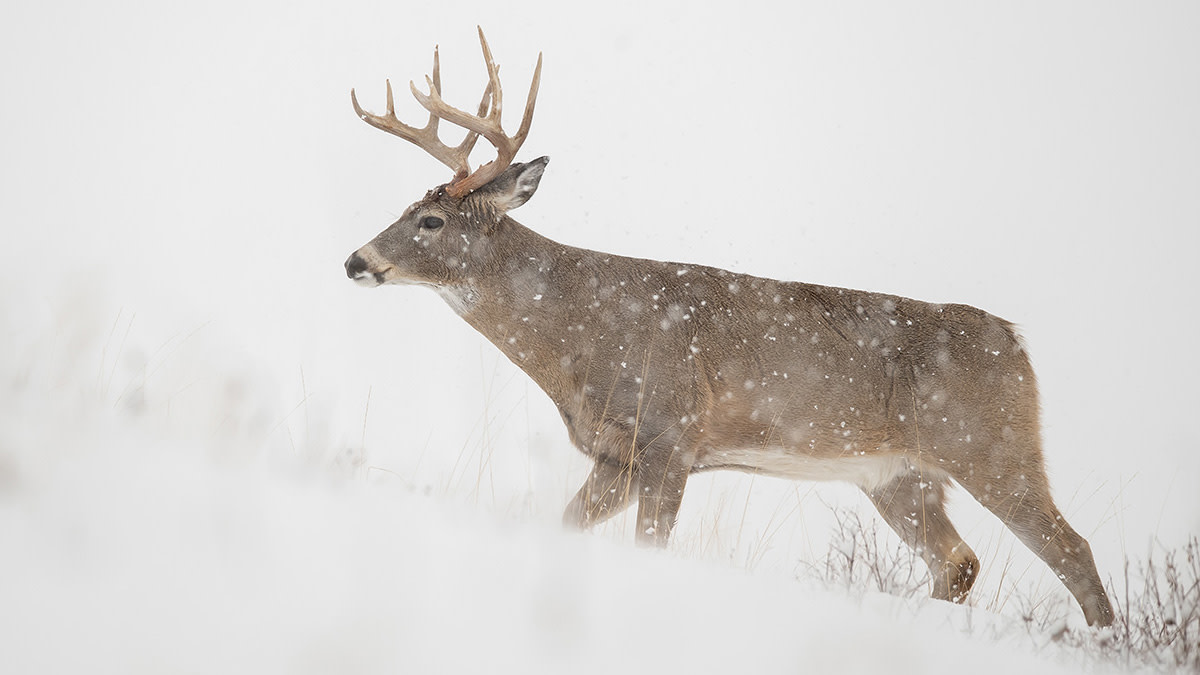
- Snowy landscapes: Tracks and beds are very clear, but deer may change their routes to avoid deep snow.
Non-obvious insight: After a fresh rain, deer tracks become much clearer in mud or soft soil. This is a great time for beginners to practice.
Mistakes To Avoid
- Ignoring the wind direction—deer will smell you before you see them.
- Moving too fast and missing small signs.
- Wearing noisy or bright clothing.
- Only looking at the ground—signs can be at eye level or above.
- Overlooking old trails—deer may change routes if they feel threatened.
How Technology Can Help
Today, technology can boost your tracking skills. Trail cameras, GPS mapping apps, and online resources help you understand deer movement better. For example, trail cameras placed near feeding areas can show what time deer pass by and how many are in the area. Useful tracking tips can also be found from resources like the National Wildlife Federation.
Sample Tracking Scenario
Imagine you find fresh tracks and droppings near a field at dawn. You move quietly, using the wind to your advantage. Along the trail, you spot a rub on a small tree and a bed in thick grass. By stopping and watching, you notice a deer returns to the area.
This step-by-step approach increases your chances of a successful track.
Frequently Asked Questions
How Do I Tell The Difference Between Old And Fresh Deer Tracks?
Fresh tracks are sharp-edged and clear, sometimes with visible dew or moisture. Old tracks are faded, dry, or filled with debris.
What Is The Best Season For Tracking Deer?
Late fall is often best. Signs like rubs and scrapes are more common, and deer move more during the breeding season.
Can I Track Deer After It Rains?
Yes, rain makes the ground soft, which helps create clearer tracks. Look for fresh prints as soon as the rain stops.
How Close Can I Get To A Deer When Tracking?
With patience and the right wind, you can get within 30–50 yards. Move slowly and use natural cover to stay hidden.
Is It Safe To Track Deer Alone?
It’s generally safe, but always let someone know your location. Carry a map, compass, or GPS, and be prepared for changing weather.
Tracking deer is a skill that improves with practice and patience. By learning to read deer signs, using the right gear, and adapting to the terrain, you’ll enjoy the process and become more successful each time you go out. Remember, the journey is as rewarding as the result.
Good luck and happy tracking!