
Most people imagine birds singing at sunrise or searching for food in bright daylight. But not all birds live by the sun. Some birds, known as nocturnal birds, are most active at night. These unique birds have adapted to darkness in fascinating ways, and their lives are filled with secrets that few humans ever see. Understanding nocturnal birds opens a window into a hidden world—one where silence, stealth, and sharp senses are the keys to survival.
If you’ve ever wondered what birds fly, hunt, or sing under the moon, this article will guide you through the most important nocturnal birds, their habits, and the science behind their nighttime activity. Along the way, you’ll learn how to identify these birds, what makes them different from daytime birds, and why their existence matters for the planet.
By the end, you’ll be ready to look and listen for these mysterious creatures on your next evening walk.
What Does “nocturnal” Mean For Birds?
Nocturnal means active during the night, but in birds, this behavior is more than just being awake after dark. Nocturnal birds rest in the day and hunt, feed, or sing at night. These birds use specialized adaptations—like better night vision, sensitive hearing, and silent flight—to move and survive in low light.
There are also crepuscular birds, which are mainly active at dawn and dusk. Some birds are partly nocturnal and show activity during both night and twilight. For this article, we’ll focus on true nocturnal birds and the most notable crepuscular species, as their behaviors often overlap.
How Birds Adapt To Life At Night
Nighttime is full of challenges: less light, colder temperatures, and more predators. To overcome these, nocturnal birds have developed unique adaptations that set them apart from their daytime relatives.
- Enhanced Vision: Most nocturnal birds have large eyes relative to their head size. This allows more light to enter, improving their ability to see in darkness. The retina of these birds has more rod cells, which are sensitive to low light.
- Sensitive Hearing: Owls, for example, have facial discs that funnel sound directly to their ears, allowing them to locate prey by sound alone.
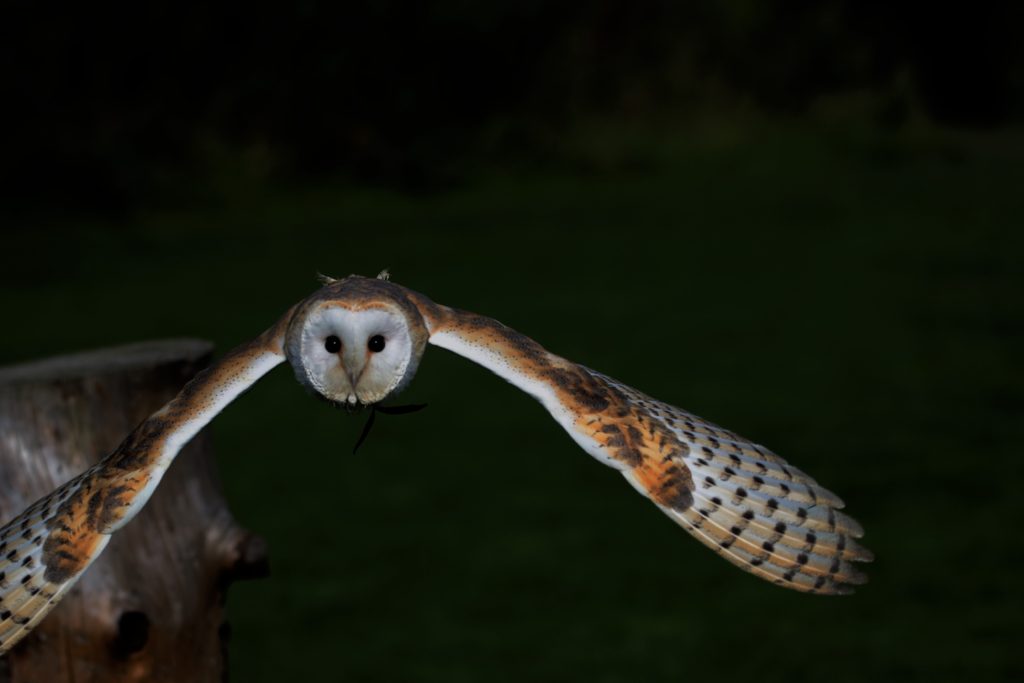
- Silent Flight: Some nocturnal birds have special feathers with soft edges that reduce the noise of their wings. This makes their flight almost silent, which is essential for hunting or avoiding detection.
- Camouflage: Many nocturnal birds have mottled or earth-toned feathers, helping them blend into their surroundings during the day when they rest.
These adaptations are not just physical. Nocturnal birds also have different calls, behaviors, and even diets compared to daytime species.
Why Are Some Birds Nocturnal?
Being active at night offers several advantages:
- Less competition: Fewer animals hunt or feed at night, so nocturnal birds have less competition for food.
- Avoiding predators: Many predators are active during the day. By being nocturnal, these birds reduce their risk of being hunted.
- Catching different prey: Some insects and small animals are only active at night, giving nocturnal birds exclusive access.
However, living at night also comes with dangers, such as limited visibility and lower temperatures. Only birds with the right adaptations can thrive under these conditions.
The Most Well-known Nocturnal Birds
Some birds are famous for their nighttime lifestyle. Here are the main groups and species:
1. Owls
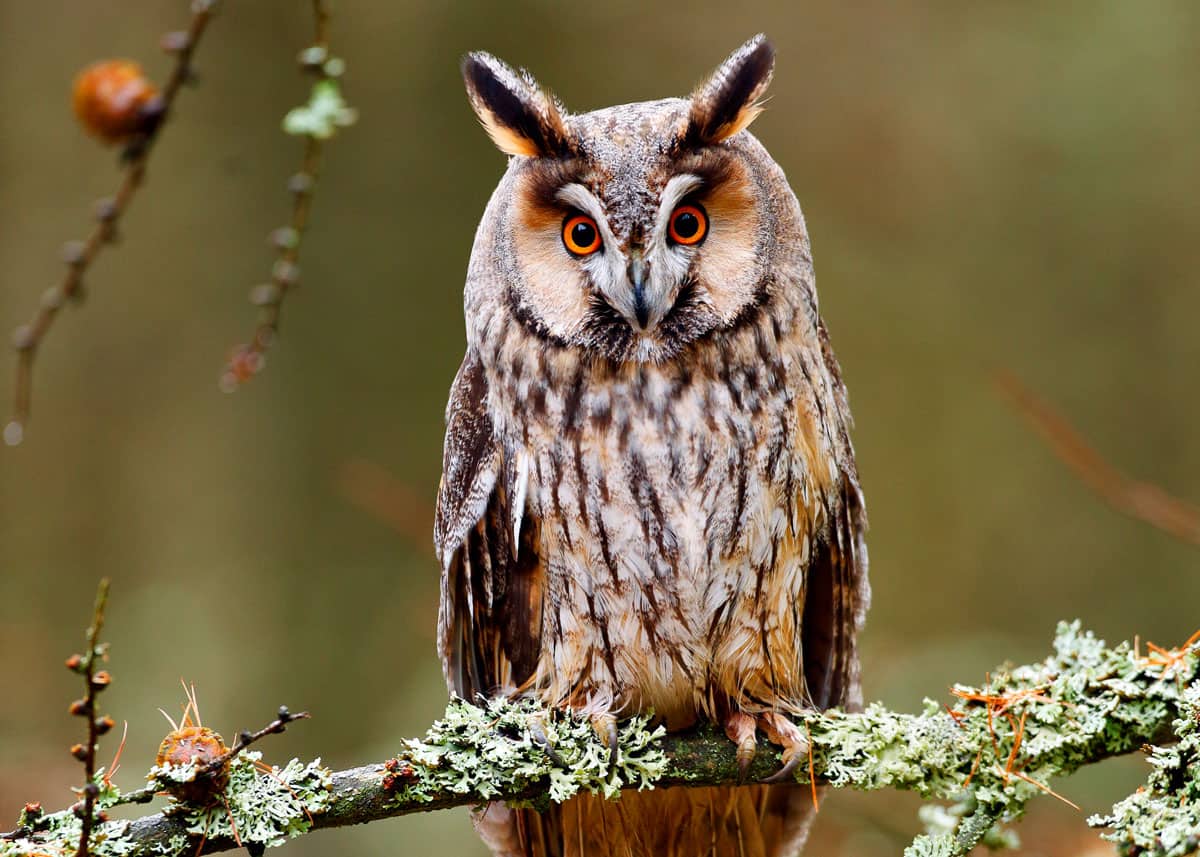
Owls are the best-known nocturnal birds. They belong to the order Strigiformes and are found worldwide except in Antarctica. Their adaptations for night hunting are unmatched.
Key Features Of Owls:
- Large, forward-facing eyes for binocular vision
- Facial discs to direct sound
- Powerful talons for catching prey
- Varied sizes: From tiny pygmy owls to large eagle owls
Notable Species:
- Barn Owl (Tyto alba): Recognizable by its heart-shaped face, it hunts small mammals in open fields.
- Great Horned Owl (Bubo virginianus): One of North America’s most powerful owls, it preys on mammals, birds, and reptiles.
- Snowy Owl (Bubo scandiacus): Active during both day and night, especially in Arctic summers, but mainly hunts at night in winter.
2. Nightjars
Nightjars are slender, long-winged birds with soft, cryptic plumage. They are experts at camouflage and are rarely seen during the day.
Key Features:
- Wide mouths for catching insects in flight
- Soft, silent feathers
- Mottled brown or gray plumage
Notable Species:
- Common Nighthawk (Chordeiles minor): Often seen flying under streetlights catching insects.
- European Nightjar (Caprimulgus europaeus): Found across Europe and Africa, famous for its churring call.
3. Frogmouths
Frogmouths look similar to nightjars but are not closely related. They are found mainly in Australia and Southeast Asia.
Key Features:
- Wide, flat beaks
- Large heads
- Excellent camouflage
Notable Species:
- Tawny Frogmouth (Podargus strigoides): Often confused with owls, but more closely related to nightjars.
4. Oilbirds
The Oilbird (Steatornis caripensis) is the only nocturnal fruit-eating bird. Native to northern South America, they navigate in total darkness using echolocation—a trait shared with bats but rare in birds.
Key Features:
- Echolocation
- Large eyes
- Roost in caves
5. Night Herons
While most herons are active by day, night herons are adapted for hunting after dark. They frequent wetlands and marshes.
Notable Species:
- Black-crowned Night Heron (Nycticorax nycticorax): Hunts fish and amphibians at night, rests in colonies by day.
6. Kiwis
Native to New Zealand, kiwis are flightless, nocturnal birds with a keen sense of smell, used to find insects and worms in the soil.
Key Features:
- Long beaks with nostrils at the tip
- Hair-like feathers
- Strong legs for digging
7. Kakapos
The Kakapo (Strigops habroptilus) is a large, flightless, nocturnal parrot from New Zealand. With fewer than 250 individuals left, it is one of the world’s rarest birds.
Key Features:
- Green, mossy feathers
- Nocturnal and ground-dwelling
- Distinct booming calls during breeding
8. Stone-curlews
Stone-curlews (also called thick-knees) are mainly nocturnal waders. They are found in Europe, Asia, Africa, and Australia.
Notable Species:
- Eurasian Stone-curlew (Burhinus oedicnemus): Feeds on insects and small animals at night.
9. Swallow-tailed Gulls
The Swallow-tailed Gull (Creagrus furcatus), native to the Galapagos Islands, is the only fully nocturnal gull. It hunts squid and fish that rise to the ocean surface at night.
10. Some Petrels And Shearwaters
Certain seabirds, such as storm petrels and Manx shearwaters, spend their days at sea and return to land only at night to avoid predators.
11. Rails
While most rails are active during the day, some species, like the Black Rail (Laterallus jamaicensis), are most active at night, calling and feeding in marshes.
12. Bitterns
Bitterns are secretive herons that often call and feed at night, especially during breeding season.
Notable Species:
- American Bittern (Botaurus lentiginosus): Known for its booming night calls.
13. Certain Cuckoos
Some cuckoos, such as the Large Hawk-cuckoo (Hierococcyx sparverioides), are partly nocturnal, calling late into the night.
14. Some Songbirds
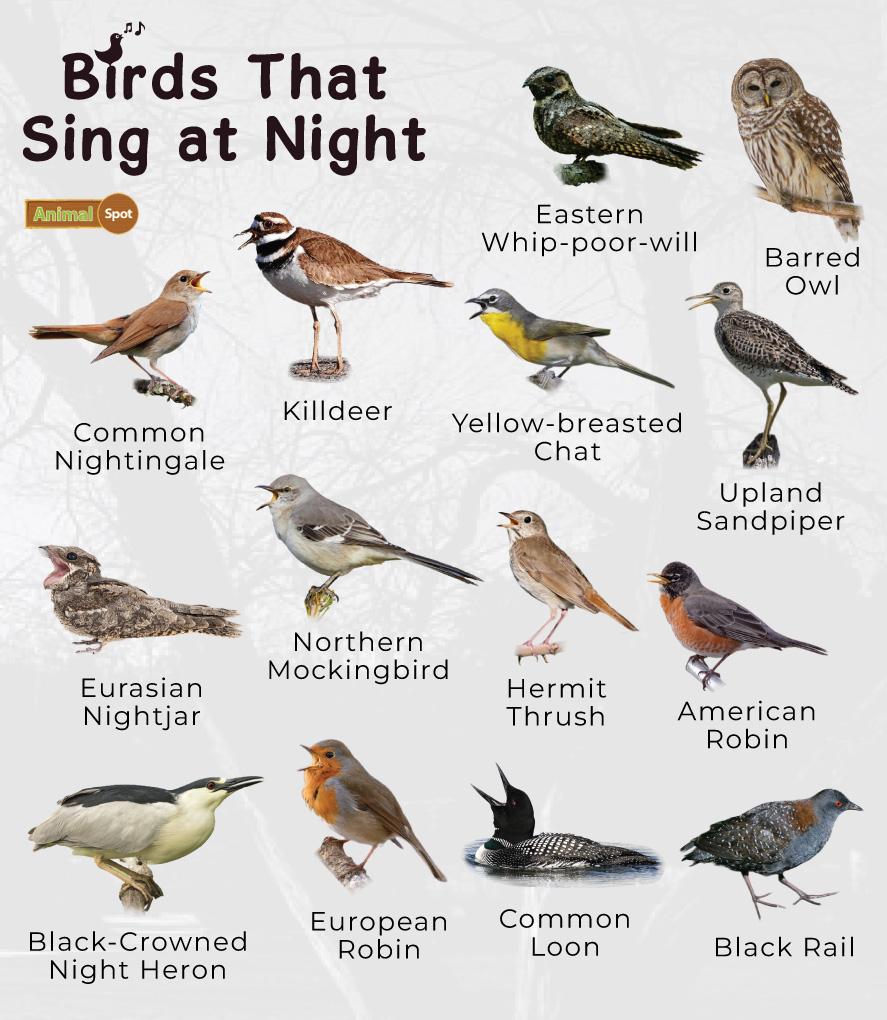
A few songbirds, like the European Robin (Erithacus rubecula), sing at night, especially in urban areas with artificial light.
15. Swifts
Some swifts are crepuscular, flying at dusk and dawn, though true nocturnal activity is rare.
Comparison Of Nocturnal Bird Families
Here’s a look at how key nocturnal bird families compare:
| Family | Main Diet | Key Adaptation | Distribution |
|---|---|---|---|
| Owls | Small mammals, birds, insects | Silent flight, acute hearing | Worldwide |
| Nightjars | Flying insects | Wide mouths, cryptic plumage | Worldwide (except Antarctica) |
| Frogmouths | Insects, small vertebrates | Wide beak, camouflage | Australia, SE Asia |
| Oilbirds | Fruit | Echolocation | Northern South America |
| Night Herons | Fish, amphibians | Large eyes, stealth | Worldwide |
How To Identify Nocturnal Birds
Identifying nocturnal birds is more challenging than spotting daytime birds. Here are some tips:
- Listen for calls: Many nocturnal birds are more easily heard than seen. Each species has a unique call, from the hoots of owls to the churring of nightjars.
- Look for eye shine: At night, a bird’s eyes may reflect light from a flashlight or headlights.
- Check for flight silhouettes: Nocturnal birds often fly low and quietly, with slow, steady wingbeats.
- Search at dusk or dawn: Some species start activity before it’s fully dark, giving you a better chance to see them.
Remember, patience is key. Many nocturnal birds are shy and well camouflaged.
Why Are Nocturnal Birds Important?
Nocturnal birds play crucial roles in ecosystems:
- Pest control: Owls and nightjars eat large numbers of insects and rodents, balancing populations.
- Seed dispersal: Oilbirds spread seeds of rainforest trees, helping forests grow.
- Indicator species: Because they are sensitive to environmental changes, nocturnal birds can warn us about ecosystem health.
Losing these birds could upset ecological balance, leading to more pests and less plant diversity.
Threats Facing Nocturnal Birds
Despite their secretive lives, nocturnal birds face growing threats:
- Habitat loss: Forest clearing, wetland draining, and city expansion destroy roosting and hunting grounds.
- Light pollution: Artificial light confuses birds, disrupts hunting, and can even cause fatal collisions.
- Pesticides and poisoning: Chemicals reduce prey and can poison birds directly.
- Climate change: Changes in temperature and weather patterns affect prey and nesting sites.
Some species, like the Kakapo, are critically endangered due to these factors.
How To Help Nocturnal Birds
Even small actions can support these important species:
- Preserve natural habitats: Support conservation groups that protect forests and wetlands.
- Reduce outdoor lighting: Use motion-activated lights and shield lamps to minimize light pollution.
- Avoid using pesticides: Choose natural pest control methods in your garden.
- Participate in citizen science: Join bird surveys or report sightings to local wildlife organizations.
You can also learn more from resources like the National Audubon Society.
Surprising Insights About Nocturnal Birds
Many people are surprised to learn:
- Not all owls are strictly nocturnal. Some, like the Snowy Owl, hunt during the day in the Arctic summer.
- Nocturnal birds can sing at night. Night-singing birds like the European Robin adapt to city life, using streetlights to extend their singing hours.
- Echolocation is not just for bats. Oilbirds and some swiftlets use sound to navigate in total darkness.
These facts show that the world of nocturnal birds is richer and more varied than most people imagine.
Common Myths About Nocturnal Birds
Let’s clear up some myths:
- Myth: All birds sleep at night. In fact, many are most active then.
- Myth: Night birds can’t see in daylight. Most nocturnal birds can see in daylight, but their eyes are better adapted to darkness.
- Myth: Only owls are nocturnal. Many bird groups have nocturnal members.
Understanding these birds helps us appreciate their diversity and importance.
Nocturnal Birds Versus Diurnal Birds
Here’s a side-by-side comparison of nocturnal and diurnal birds:
| Feature | Nocturnal Birds | Diurnal Birds |
|---|---|---|
| Time of Activity | Night (after sunset) | Daylight hours |
| Eyesight | Adapted for low light, more rod cells | Adapted for color vision, more cone cells |
| Hearing | Often highly sensitive | Less specialized |
| Camouflage | Earth tones, mottled feathers | Often brighter colors |
| Common Groups | Owls, nightjars, frogmouths | Songbirds, hawks, finches |
Observing Nocturnal Birds Safely
If you want to observe nocturnal birds, keep these tips in mind:
- Use red light: Red flashlights disturb birds less than white light.
- Stay quiet: Move slowly and listen more than you look.
- Respect nesting areas: Never approach nests or roosts, as this can stress or harm the birds.
- Go with a guide: Local birdwatching groups often offer night walks.
Remember, the welfare of the birds comes first.
Frequently Asked Questions
Why Do Some Birds Sing At Night?
Birds may sing at night to defend territory, attract mates, or because artificial light confuses their natural rhythms. Some, like nightingales and robins, sing at night in cities where it’s quieter and easier to be heard.
Are All Owls Nocturnal?
No, not all owls are strictly nocturnal. Some species are active during the day (diurnal) or at dawn and dusk (crepuscular). For example, the Northern Hawk Owl often hunts in daylight.
How Do Nocturnal Birds Avoid Predators?
Nocturnal birds use camouflage, silent flight, and keen senses to avoid predators. By being active when most predators rest, they reduce their risk of being hunted.
Can I Attract Nocturnal Birds To My Garden?
Yes. Leave brush piles, plant native trees, and reduce outdoor lighting. Creating a natural, safe space can attract owls, nightjars, or even night-singing robins.
What Should I Do If I Find A Nocturnal Bird During The Day?
If the bird seems healthy, leave it alone. Many nocturnal birds rest in daylight and may appear sleepy or still. If it seems injured, contact a local wildlife rescue group for help.
The world of nocturnal birds is both mysterious and essential. Their lives reveal the richness of nature after dark, and they remind us that the night is as full of life as the day. By learning about and protecting these birds, we help keep the balance of our planet’s ecosystems and ensure that the magic of the night continues for future generations.

