
Birds fill our world with sound. From the gentle cooing of doves to the raucous caw of a crow, these sounds shape the environment in parks, forests, and city streets. But what do these sounds really mean? Why do birds make such a variety of noises, and how can you recognize and understand them? This article explores bird sounds in detail—what they are, why they matter, and how to identify the most common types. You’ll discover that bird vocalizations are more than just pretty background noise; they’re a complex language filled with information, emotion, and survival tactics.
Understanding Bird Sounds
Birds do not all sound the same. In fact, bird sounds are rich and varied, and every species has its own unique voice. Some birds sing beautiful, melodic tunes. Others use harsh calls or simple whistles. These sounds serve important purposes for the birds—communication, territory defense, attracting mates, and warning of danger.
The Science Behind Bird Sounds
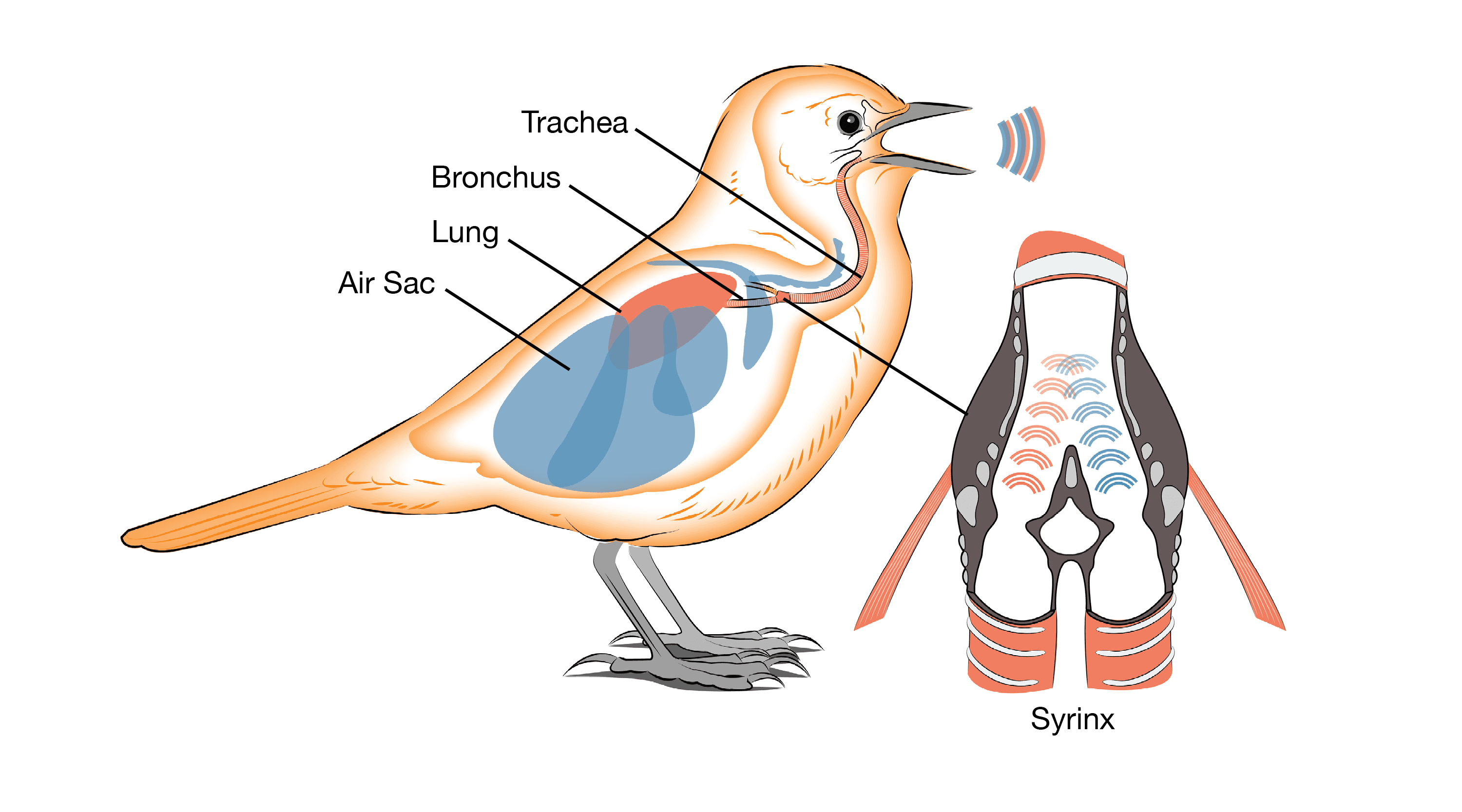
Birds make sounds using an organ called the syrinx. This organ is located at the base of a bird’s trachea, where the windpipe splits into the lungs. Unlike human vocal cords, the syrinx can produce two different notes at once, allowing some birds to create very complex sounds. Songbirds have the most advanced syrinx structures, which is why they can sing complicated songs.
Bird sounds are often grouped into two main types: songs and calls. Songs are usually longer, more musical, and are used mainly by males during the breeding season to attract mates or claim territory. Calls are shorter, simpler sounds used for everyday communication, warnings, or keeping in contact with other birds.
Types Of Bird Sounds
Birds use a variety of sounds for different reasons. Here are the most common types:
- Songs: Complex, musical phrases, often repeated. Used mainly by males to attract mates and defend territory.
- Contact Calls: Short notes to keep in touch with flock members or mates.
- Alarm Calls: Sharp, urgent sounds to warn others about predators or danger.
- Begging Calls: Made by chicks to ask for food from parents.
- Flight Calls: Used by birds in flight to stay together or communicate movement.
- Territorial Calls: Simple but loud calls to mark territory or warn rivals.
- Mobbing Calls: Made when birds gather together to harass or drive away a predator.
- Aggressive Calls: Noises made during fights or when defending food or nests.
- Courtship Calls: Special sounds used during mating rituals.
- Flock Calls: Used by birds in groups to coordinate movement or feeding.
Each type of sound has a purpose, and often a bird can make several different types depending on the situation.

Why Birds Make Sounds
Birds don’t sing just for fun. Every sound has a reason. Here’s what bird sounds can mean:
- Attracting a mate: Birds sing to show off their health and fitness. A strong, clear song attracts more mates.
- Defending territory: Songs and calls warn other birds not to enter their space.
- Warning of danger: Alarm calls let other birds know a predator is near.
- Coordinating group actions: Contact and flock calls help birds stick together.
- Teaching young: Parent birds use sounds to communicate with their chicks.
Many people are surprised to learn that some birds can recognize individual voices in their flock, just like humans know their friends’ voices. This ability helps birds survive in crowded environments.
How Birds Produce Different Sounds
The syrinx is key to the variety of bird sounds. It’s a unique structure that works differently from mammal vocal cords. Birds control the syrinx with tiny muscles, changing the shape and tension of the walls to make different pitches and tones. Some birds, like the northern mockingbird, can even mimic other sounds they hear—car alarms, dogs barking, or other birds.
Factors Affecting Bird Sounds
- Species: Each bird has its own “accent.”
- Age and sex: Young birds and females may sound different than adult males.
- Time of year: Birds sing more during the breeding season.
- Habitat: Birds in forests may use low, simple sounds to avoid echoes, while open-country birds use louder, clearer calls.
- Learning: Some birds learn songs from their parents or neighbors; others are born knowing their calls.
Common Bird Sounds And Their Meanings
Let’s break down some of the most familiar bird sounds, what they mean, and examples from common species.
Songbirds
Songbirds are famous for their beautiful tunes. The American robin sings a series of clear whistles, often early in the morning. The northern cardinal has a loud, sharp “cheer-cheer-cheer.” The house finch sings a jumble of sweet notes. These songs often mean a bird is marking territory or looking for a mate.
Crows And Jays
Crows use a harsh “caw” for many reasons—warning, calling to family, or claiming food. Blue jays make loud “jay-jay” calls and can imitate hawk cries to scare other birds. These are usually alarm or territorial calls.
Doves And Pigeons
The gentle “coo” of a dove is a contact or courtship call. It’s soft and repeated, meant for close communication rather than warning others.
Woodpeckers
Woodpeckers “drum” on trees instead of singing. The sound warns other woodpeckers to stay away and can attract a mate. They also make sharp “peek” calls as alarms.
Owls
Owls hoot in deep, slow tones. A great horned owl’s “hoo-hoo-hoo” is a territorial sound, often heard at night. Screech owls use a trembling, whinny-like sound.
Ducks And Geese
Ducks “quack” and geese “honk. ” These sounds help keep flocks together and signal danger. A mother duck’s soft clucks keep her ducklings close.
Sparrows And Finches
Small birds like sparrows use “chip” or “chirp” calls to stay in contact. These are soft, simple, and repeated often.
Birds Of Prey
Hawks and eagles have sharp, piercing screams. These are usually alarm or aggressive calls, used to scare rivals or warn of threats.
How To Identify Bird Sounds
Learning to recognize bird sounds is a skill, but anyone can improve with practice. Here are some tips:
- Listen carefully: Pay attention to pitch, rhythm, and repetition.
- Note the pattern: Is it a series of whistles, a single note, or a complex song?
- Time and place: Some birds sing only at dawn, others at night. Habitat matters.
- Use recordings: Many birding apps and websites offer audio guides.
- Watch the bird: See what it’s doing while singing—defending territory, feeding, warning?
Here’s a helpful comparison of common bird sounds and their meanings:
| Bird Species | Sound Description | Main Purpose |
|---|---|---|
| American Robin | Cheerful whistles | Territory, mate attraction |
| Blue Jay | Harsh “jay-jay” | Alarm, warning |
| House Sparrow | Simple chirps | Contact, flock coordination |
| Great Horned Owl | Deep hoots | Territory, communication |
| Mourning Dove | Soft coos | Courtship, contact |

Bird Sound Mimicry: Copycats Of The Avian World
Some birds are famous mimics. The northern mockingbird can imitate dozens of other birds, as well as car alarms, cell phones, and barking dogs. The European starling copies whistles, human speech, and mechanical noises. Why do they do this? Experts believe mimicry helps birds confuse predators, impress mates, or fit into a social group.
A common beginner mistake is to assume that every bird sings only its own song. In reality, mimic birds can create confusion for even experienced birders.
Recording And Studying Bird Sounds
Bird scientists, called ornithologists, use special devices to record bird sounds. These recordings help identify birds in the wild, track populations, and even discover new species. Today, anyone can use a smartphone to record bird sounds. There are also apps like Merlin Bird ID that use sound recognition to help identify birds instantly.
Here’s a comparison of bird sound recording tools:
| Device | Pros | Cons |
|---|---|---|
| Smartphone | Portable, easy to use, instant playback | Limited sound quality, background noise |
| Handheld Recorder | Better quality, more control | More expensive, less convenient |
| Parabolic Microphone | Captures distant sounds, high clarity | Bulky, expensive, requires skill |
Bird Sounds And Human Culture
Bird sounds have inspired music, poetry, and even technology. The call of the nightingale has been praised in literature for centuries. The soothing sounds of doves or the lively song of a lark are used in music and art to symbolize peace, hope, or freedom.
In some cultures, bird calls are used for practical reasons. Farmers listen for the calls of swallows or cuckoos to predict weather changes or the start of planting season.
Challenges In Studying Bird Sounds
Bird sounds can be hard to study. Not all birds are visible when they sing—many hide in dense trees or sing at night. Background noise from traffic, wind, or other animals can make it difficult to hear and record. Also, many species have regional “dialects.
” A song sparrow in California may sing a different tune than one in New York.
One practical tip: If you’re having trouble hearing birds, try early morning. Birds are most active and vocal at dawn, before human activity and noise increases.
How Bird Sounds Change With The Seasons
Birds change their sounds throughout the year. In spring, males sing more often and more loudly to attract mates and claim territories. In summer, you’ll hear more contact and begging calls as chicks hatch. In fall and winter, songs decrease, but flock and contact calls increase as birds form groups for migration or survival.
Here’s a quick look at how bird sounds change by season:
| Season | Main Bird Sounds | Reason |
|---|---|---|
| Spring | Loud songs, territorial calls | Breeding, mate attraction |
| Summer | Begging, contact calls | Feeding young, family groups |
| Fall | Flock calls, flight calls | Migration, group movement |
| Winter | Simple calls, low singing | Survival, flock cohesion |
Non-obvious Insights About Bird Sounds
Many new birdwatchers don’t realize that:
- Birds can change their sounds if they move to a new area. For example, house finches in the city may develop different songs than those in the countryside, due to noise pollution.
- Some birds use “soft songs”—quiet, almost whispered notes—during close encounters with rivals. These are not easily heard by humans but carry big meaning among birds.
- Birds can recognize individual neighbors by their voice, even if they look the same. This reduces fights and helps birds manage their social world.
- Birds may go silent when a predator is near, not just call loudly. Sudden silence in a flock can be a warning in itself.
- Birds can learn new sounds throughout their lives, not just when they are young. This is especially true for birds like mockingbirds and parrots.
Tips For Learning Bird Sounds
If you want to improve your skill at recognizing bird sounds, try these steps:
- Focus on one species at a time. Learn its main song and calls.
- Record sounds with your phone and compare them to guides.
- Join bird walks with local experts who can point out sounds.
- Practice regularly; bird sounds are easier to remember when you hear them often.
- Be patient. Even experts cannot identify every sound right away.
A useful resource for learning bird sounds is the Audubon Bird Guide. It offers audio clips and detailed descriptions for hundreds of species.
Bird Sounds And Conservation
Bird sounds are not just interesting—they’re important for science and conservation. Listening to bird sounds helps scientists track changes in bird populations, spot endangered species, and measure the health of habitats. In some cases, rare birds are discovered by their calls before they are seen.
For example, the Ivory-billed Woodpecker, once thought extinct, was reported in part because of its unique “kent” call, recorded in southern U.S. swamps. Regular listening and recording can help protect birds and their environments.
Frequently Asked Questions
What Is The Difference Between A Bird Song And A Bird Call?
A bird song is usually a long, musical sequence made mainly by male birds during breeding season for territory or mate attraction. A bird call is shorter and simpler, used by both sexes for everyday communication—warnings, keeping in touch, or signaling food.
Why Do Some Birds Sing At Night?
Some birds, like the northern mockingbird and certain thrushes, sing at night to attract mates when there is less competition from daytime singers. Night singing is also common in city birds, where daytime noise makes it hard to be heard.
Can All Birds Mimic Sounds?
No, only certain species are expert mimics. Birds like mockingbirds, starlings, lyrebirds, and some parrots are known for copying other birds, animals, and even human-made sounds. Most birds do not mimic.
How Can I Tell Which Bird Is Making A Sound If I Can’t See It?
Focus on the pattern, pitch, and rhythm of the sound. Use recordings from apps or guides to match what you hear. Over time, you’ll associate certain sounds with specific species, even without seeing them.
Do Birds Ever Stop Making Sounds?
Birds may go silent during molting (when they replace feathers), bad weather, or when hiding from predators. Most birds are quiet at night, except for nocturnal species like owls or nightjars.
Bird sounds add life and meaning to the natural world. With patience and practice, you can unlock their secrets and enjoy a deeper connection to the birds around you. Whether you’re in a city park or a remote forest, listening to bird sounds is a skill that will enrich your experience of nature for years to come.

