Feeding birds can be both simple and complex. If you own a pet bird, care for backyard visitors, or work with wild birds, you have probably wondered: “How often should birds be fed?” The answer depends on the type of bird, its age, size, activity level, and even the season. Feeding birds the right way is not just about giving food. It’s about meeting their real needs, keeping them healthy, and helping them thrive.
Many people make mistakes when feeding birds. Some overfeed, while others give too little. Some feed at the wrong times or use the wrong foods. These errors can cause health problems for birds, such as obesity, malnutrition, or even death.
In this guide, you’ll discover how often different birds should be fed, why timing matters, what affects their feeding schedules, and how you can develop the best routine for your feathered friends. You’ll also find tips for pet birds, wild birds, and those that visit your garden.
Let’s break down feeding schedules, look at real examples, and clear up common myths. Whether you are a new bird owner or just love helping wild birds, you’ll find practical advice and real answers here.
What Determines How Often Birds Should Be Fed?
Birds are as unique as people. Each species, and even each individual, may need a different schedule. But several key factors always influence feeding frequency.
Bird Species
Some birds, like hummingbirds, have very fast metabolisms. They must eat every 10-15 minutes during the day. Others, like owls, eat larger meals but less often. Seed-eaters, insect-eaters, fruit-eaters, and nectar-feeders all have different needs.
Age Of The Bird
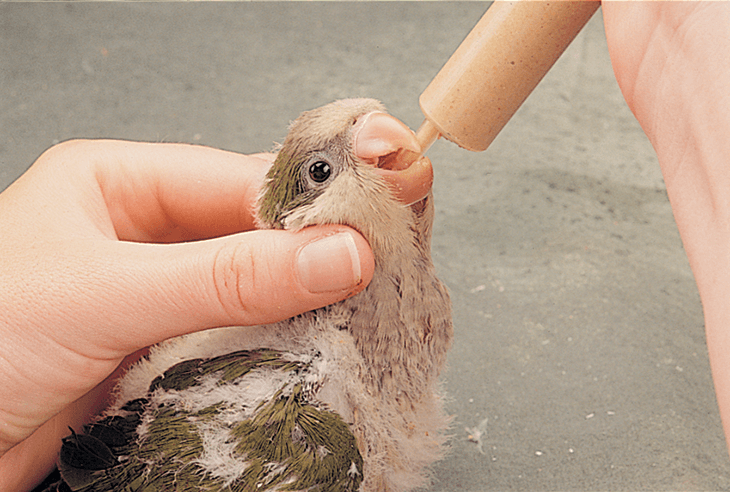
Baby birds (chicks) need to be fed much more often than adults. A newly hatched chick may need food every 20-30 minutes from sunrise to sunset. As they grow, the gaps between feedings can increase.
Size And Metabolism
Small birds have faster metabolisms. They burn energy quickly and need to eat more often. Larger birds can go longer between meals.
Activity Level
Active birds, especially during breeding or migration, need more frequent meals. Resting or sleeping birds can go longer without food.
Health Status
Sick or recovering birds often need smaller, more frequent meals to regain strength.
Environment And Season
In cold weather, birds burn more calories to stay warm. They need more frequent feeding in winter. During breeding, most birds feed more often to support egg-laying and feeding chicks.
Non-obvious insight: Many new bird owners don’t realize that even a change in room temperature or light can affect a bird’s appetite and feeding frequency.
How Often Should Pet Birds Be Fed?
Pet birds, such as parakeets, cockatiels, canaries, and parrots, need consistent routines. But there isn’t a one-size-fits-all answer.
General Guidelines For Adult Pet Birds
Most adult pet birds do best with two meals per day: one in the morning and one in the evening. This matches their natural foraging behavior in the wild.
- Small parrots (budgies, cockatiels): Feed twice daily, with a main meal in the morning and a smaller one before dusk.
- Medium/large parrots (African greys, Amazons): Usually twice daily, but some owners prefer to leave food available all day.
- Finches/canaries: These birds graze all day, so offer fresh food in the morning and check levels in the afternoon.
Baby And Young Birds
Chicks and fledglings need feeding much more often. In general:
- Very young chicks (0-1 week): Every 2-3 hours, even at night.
- Older chicks (1-3 weeks): Every 3-4 hours, with a longer gap at night.
- Weaning birds (3-6 weeks): Every 4-6 hours, then gradually move to twice daily.
Examples Of Feeding Schedules
| Bird Type | Age | Feedings per Day | Notes |
|---|---|---|---|
| Budgerigar | Adult | 2 | Morning and early evening |
| Cockatiel | Chick (2 weeks) | 5-6 | Every 3 hours, day and night |
| African Grey | Weaning | 3 | Gradually reduce to 2 as bird matures |
| Canary | Adult | Free access | Replace seed and fresh foods daily |
Fresh Food Vs. Dry Food
Most pet birds do best with a mix of pellets, seeds, and fresh fruits and vegetables. Pellets can be left in the cage for longer, but fresh foods should be served in the morning and removed after a few hours to prevent spoilage.
Practical tip: Remove uneaten fresh food after 2-3 hours. This keeps your bird healthy and prevents mold.
Should Food Be Left Out All Day?
For most parrots and finches, it’s safe to leave dry pellets available all day. However, if your bird is overweight or eats out of boredom, measured meals are better. Some birds, like lories (which eat nectar), need food changed every few hours to prevent bacteria growth.
Non-obvious insight: Birds can become “picky eaters” if food is always available. Occasional short fasting (never more than 8 hours) can stimulate natural foraging.
How Often Should You Feed Backyard Birds?
Feeding wild birds in your garden or yard is different from feeding pets. Wild birds must find most of their food themselves, but feeders can help.
When To Feed Wild Birds
Wild birds benefit most from extra food during winter, early spring, and during bad weather. In these times, natural food is scarce.
- In winter: Fill feeders daily, preferably in the morning.
- In spring and summer: Top up as needed, especially during cold snaps or storms.
How Many Times Per Day?
For most backyard birds, once per day is enough if feeders are large and well-stocked. If you use small feeders, refill them twice daily (morning and late afternoon).
Pro tip: Birds eat more in the early morning and late afternoon, so these are the best times to refill feeders.
Popular Backyard Birds And Their Feeding Habits
| Species | Preferred Food | Feeding Times |
|---|---|---|
| American Robin | Fruit, insects | Dawn and dusk |
| House Sparrow | Seeds, grains | Throughout the day |
| Northern Cardinal | Sunflower seeds | Early morning, late afternoon |
| Blue Jay | Nuts, suet | Morning |
Should Feeders Be Left Out Overnight?
Most songbirds do not feed at night, but nocturnal birds (like owls) might. For safety, it’s best to remove uneaten food at night to avoid attracting pests.
Special Cases: Hummingbirds
Hummingbirds need food every 10-15 minutes during the day. If you use a nectar feeder, keep it filled from dawn to dusk. Clean and refill daily in hot weather.
Common mistake: People often forget to clean nectar feeders. Dirty feeders can cause illness.
How Often Should Wild Birds Be Fed In Rehabilitation?
If you are caring for injured or orphaned wild birds, feeding is more demanding. These birds may have special needs and require expert advice.
Chicks And Fledglings
- Newly hatched wild chicks: Every 20-30 minutes from sunrise to sunset.
- Older chicks: Every 45-60 minutes.
- Near-fledging: Every 2-3 hours.
Wild birds need food even more often than pet birds because they grow quickly.
Adult Wild Birds
Sick or injured adults may need food every 2-4 hours, depending on the species and their condition. Always consult a wildlife expert for the best routine.
Key point: Overfeeding can be as dangerous as underfeeding. Never feed wild birds until you know their exact needs.
Example Schedule For Orphaned Songbird
| Age | Feeding Interval | Day/Night |
|---|---|---|
| 0-7 days | Every 20-30 min | Daylight hours only |
| 8-14 days | Every 45 min | Daylight hours |
| 15+ days | Every 1-2 hours | Daylight hours |
How Feeding Frequency Changes With The Seasons
Birds’ needs change with the time of year. Here’s how you can adjust feeding schedules:
Winter
Birds burn more energy to stay warm. Feeders should be filled daily and checked often. Birds eat more in the morning and before sunset.
Spring
During nesting and breeding, birds need extra protein (insects, mealworms) and more frequent feeding. Feeders may need topping up twice a day.
Summer
Natural food is abundant. Feed less, and focus on providing water and occasional treats.
Autumn
Birds prepare for migration. Increase feeding to help birds build fat reserves.
Non-obvious insight: Birds remember reliable food sources. Feeding at the same time each day can help them survive tough seasons.
The Risks Of Overfeeding And Underfeeding
Both too much and too little food can be harmful.
Overfeeding
- Can cause obesity in pet birds.
- May attract pests (rats, raccoons) to garden feeders.
- Birds may lose motivation to forage naturally.
Underfeeding
- Can cause malnutrition, weakness, or death.
- Young birds may have stunted growth.
- Wild birds may not survive cold spells or migration.
Practical tip: Weigh pet birds weekly. A sudden change in weight is a warning sign.

Special Types Of Birds: How Often To Feed
Different birds have unique feeding habits. Here’s how often to feed some special types:
Nectar-feeding Birds
Hummingbirds, lories, and sunbirds eat nectar. They need frequent, small meals—every 15-30 minutes during active hours. For pet nectar-feeders, change nectar 2-3 times daily.
Birds Of Prey
Owls, hawks, and falcons eat large meals but less often. Adults may eat once daily or every other day. Chicks must be fed 3-4 times daily.
Waterfowl
Ducks and geese graze all day. Allow access to food throughout daylight hours.
Doves And Pigeons
These birds eat seeds and grains. Provide fresh food in the morning and check again in the afternoon.
Non-obvious insight: Some birds, like finches, store food in a special pouch (“crop”) to eat later. This affects how often they actually eat.
How To Tell If Your Bird Is Eating Enough
Watching your bird’s behavior and health is key.
Signs Of Good Feeding
- Active and alert
- Bright eyes and smooth feathers
- Steady or healthy weight
- Regular droppings
Signs Of Underfeeding
- Lethargic or sleepy
- Fluffed-up feathers
- Weight loss
- Fewer droppings
Signs Of Overfeeding
- Unfinished food left daily
- Weight gain or fat deposits
- Reluctance to move
Practical tip: Track your bird’s food intake and weight in a notebook. Adjust schedules if you notice changes.
How To Set Up A Feeding Routine
Consistency is important for all birds. Here’s how to establish a healthy feeding routine:
- Choose regular times for feeding (morning, evening).
- Measure portions for pet birds to avoid waste.
- Clean feeders and dishes daily.
- Observe your bird’s eating habits and adjust as needed.
- Provide fresh water at all times.
Pro tip: Sudden changes in routine can stress birds. Make changes gradually.
Common Mistakes In Bird Feeding
Many bird owners and bird lovers make avoidable errors.
Mistake 1: Feeding Only Seeds
Seeds lack some nutrients. Always include pellets, fruits, or live foods.
Mistake 2: Irregular Feeding Times
Birds thrive on routine. Feed at the same times each day.
Mistake 3: Not Adjusting For Seasons
Birds need more food in cold weather and less in summer.
Mistake 4: Leaving Dirty Food
Spoiled food can make birds sick. Clean dishes and feeders every day.
Mistake 5: Ignoring Individual Needs
Each bird is unique. Watch for signs of hunger or fullness.
Non-obvious insight: Some birds will “pretend” to eat when stressed. Watch for actual food eaten, not just time spent at the dish.
Adjusting Feeding Schedules For Different Life Stages
Birds’ needs change as they grow.
Chicks
Feed often, with a specialized diet high in protein.
Juvenile Birds
Feed less often as they learn to eat on their own.
Adult Birds
Feed twice daily or provide access to food all day for grazers.
Elderly Birds
Older birds may eat less but more often. Offer easy-to-eat foods and watch their weight.
Tip: For sick or stressed birds, consult a vet to adjust feeding.
When To Consult A Vet Or Expert
If your bird:
- Stops eating or eats much less
- Loses or gains weight quickly
- Shows signs of illness (listless, fluffed up, watery droppings)
- Has trouble picking up or swallowing food
See a vet or avian expert immediately. Nutritional problems can become serious very quickly.
Helpful resource: The Royal Society for the Protection of Birds offers trusted advice on bird feeding.

Frequently Asked Questions
How Often Should I Feed My Pet Parrot?
Most pet parrots do well with two meals per day—one in the morning and one in the evening. Some owners prefer to leave pellets available all day, but always offer fresh fruits and vegetables at set times and remove them after a few hours.
Can I Feed Wild Birds More Than Once A Day?
Yes. If you have many birds or small feeders, refill them twice a day (morning and afternoon). This helps more birds get food, especially during winter or bad weather.
Do Birds Need To Be Fed At Night?
Most birds do not eat at night. The main exceptions are nocturnal species (like owls) and baby chicks, which may need nighttime feedings if hand-rearing. For garden birds, remove food at night to avoid pests.
How Do I Know If My Bird Is Overfed?
Watch for weight gain, fat deposits, or uneaten food left daily. Overfed birds may become less active. Weigh your bird weekly and adjust food portions as needed.
Is It Harmful To Skip A Feeding For My Bird?
Occasionally missing a meal is not usually harmful for adult birds, but it can be dangerous for chicks or sick birds. Birds should not go more than 8-12 hours without food. Regular routines help keep birds healthy.
Caring for birds is a rewarding experience. Feeding them the right way means understanding their unique needs, watching their behavior, and being ready to adjust as seasons and life stages change. With the right knowledge, you can help your birds live long, happy lives—one meal at a time.

