
Bringing birds into your garden is more than just a pleasant hobby. It’s a way to connect with nature, improve your local environment, and enjoy the sights and sounds of colorful wildlife right outside your window. Many people dream of a garden filled with the songs of robins, the cheerful activity of finches, or the occasional flash of a hummingbird.
But attracting birds is not just about putting up a feeder. It takes planning, understanding bird behavior, and creating a space where birds feel safe and welcome.
Over the years, I’ve watched many beginners make simple mistakes—like offering the wrong food or placing water in the wrong spot—and miss out on the full joy of birdwatching. There are also surprising tricks that can make a big difference, like choosing the right plants or providing shelter from predators.
This guide will walk you through all the steps, from the basics to advanced tips, so you can turn your garden into a true bird paradise.
Understanding What Birds Need
Birds are like any other wild animal: they look for places that offer food, water, shelter, and safety. If your garden can provide these, you’re more likely to attract a wide variety of birds. But each species has its preferences. For example, some birds love seeds, while others want insects or fruit. Some nest in trees, while others prefer shrubs or even the ground. The key is variety.
One fact many people overlook is that birds are sensitive to small changes. A missing water source or an exposed feeder can discourage them. It’s also important to remember that birds are creatures of habit. Once they find a good spot, they return again and again.
Choosing The Right Bird Food
Food is the fastest way to attract birds, but not all food works for all species. Here’s how to get it right:
Types Of Bird Food
- Seeds: Sunflower seeds (especially black oil sunflower) attract finches, chickadees, and cardinals. Millet is great for sparrows and doves. Safflower works for cardinals and some finches.
- Nuts: Peanuts (unsalted, shelled or unshelled) attract woodpeckers, jays, and titmice.
- Suet: This is animal fat mixed with seeds or fruit. Woodpeckers, nuthatches, and wrens love it.
- Fruit: Offer slices of apple, orange, or berries for orioles, tanagers, and bluebirds.
- Nectar: Mix four parts water to one part white sugar for hummingbirds and orioles. Never use honey or food coloring.
- Mealworms: These attract bluebirds, robins, and wrens.
Placement And Feeder Types
Different birds like to eat in different ways. Some prefer hanging feeders, some like platform feeders, and others eat from the ground. Here’s a quick comparison:
| Feeder Type | Best For | Common Visitors |
|---|---|---|
| Tubular Feeder | Hanging, small seeds | Finches, chickadees |
| Platform Feeder | Ground or raised, mixed food | Doves, sparrows, jays |
| Suet Cage | Hanging, suet blocks | Woodpeckers, nuthatches |
| Hummingbird Feeder | Hanging, nectar | Hummingbirds, orioles |
Keeping Food Safe
Spoiled food can harm birds. Change food often, especially in hot or wet weather. Clean feeders weekly with hot water. Place feeders near shelter (like bushes) but not too close to give cats or other predators an easy hiding spot.
Common beginner mistake: Using bread or salty snacks. These can be dangerous for birds and provide little nutrition.
Providing Water All Year
Water is just as important as food but is often forgotten. Birds need fresh water for drinking and bathing. Bathing keeps their feathers clean and helps them escape predators.
Birdbaths And Water Sources
- Use a shallow birdbath (1-2 inches deep).
- Place it in a visible, open area but near cover.
- Keep water clean—change it every 2-3 days.
- In winter, use a heated birdbath or add a small floating ball to keep water from freezing.
Moving Water
Birds are attracted to the sound and sight of moving water. Add a small fountain, dripper, or mister to your birdbath. Even a dripping hose can help. This will draw more birds, especially in dry climates.
Safety Tips
Keep the birdbath away from thick bushes where cats can hide. Place a few stones inside so smaller birds can stand safely.
Non-obvious tip: In drought or summer heat, water can attract more birds than food. Keep extra water out during these times.
Planting For Birds
A bird-friendly garden has plants that offer food, shelter, and nesting sites. Native plants are the best because they support local insects and birds.
Choosing Plants
- Trees: Oaks, maples, pines, and fruit trees provide nesting spots and shelter.
- Shrubs: Holly, viburnum, and dogwood offer berries for food and thick cover.
- Flowers: Sunflowers, coneflowers, and black-eyed Susans give seeds and attract insects.
- Vines: Grape and Virginia creeper are good for cover and fruit.
- Grasses: Native bunch grasses offer seeds and nesting material.
Mix tall trees, medium shrubs, and low ground cover to create layers. This way, you attract both ground-feeding and tree-dwelling birds.
Avoiding Chemicals
Pesticides and herbicides can harm birds directly or kill the insects they need. Use natural methods to control pests. For example, encourage ladybugs or use hand-picking for harmful insects.
Seasonal Planting
Different plants help at different times of the year. Evergreens give shelter in winter. Berry bushes provide food in fall and winter when other food is scarce.
Non-obvious insight: Leave dead flower heads standing in winter. Many birds feed on seeds from these dried stalks.
Creating Nesting And Roosting Sites
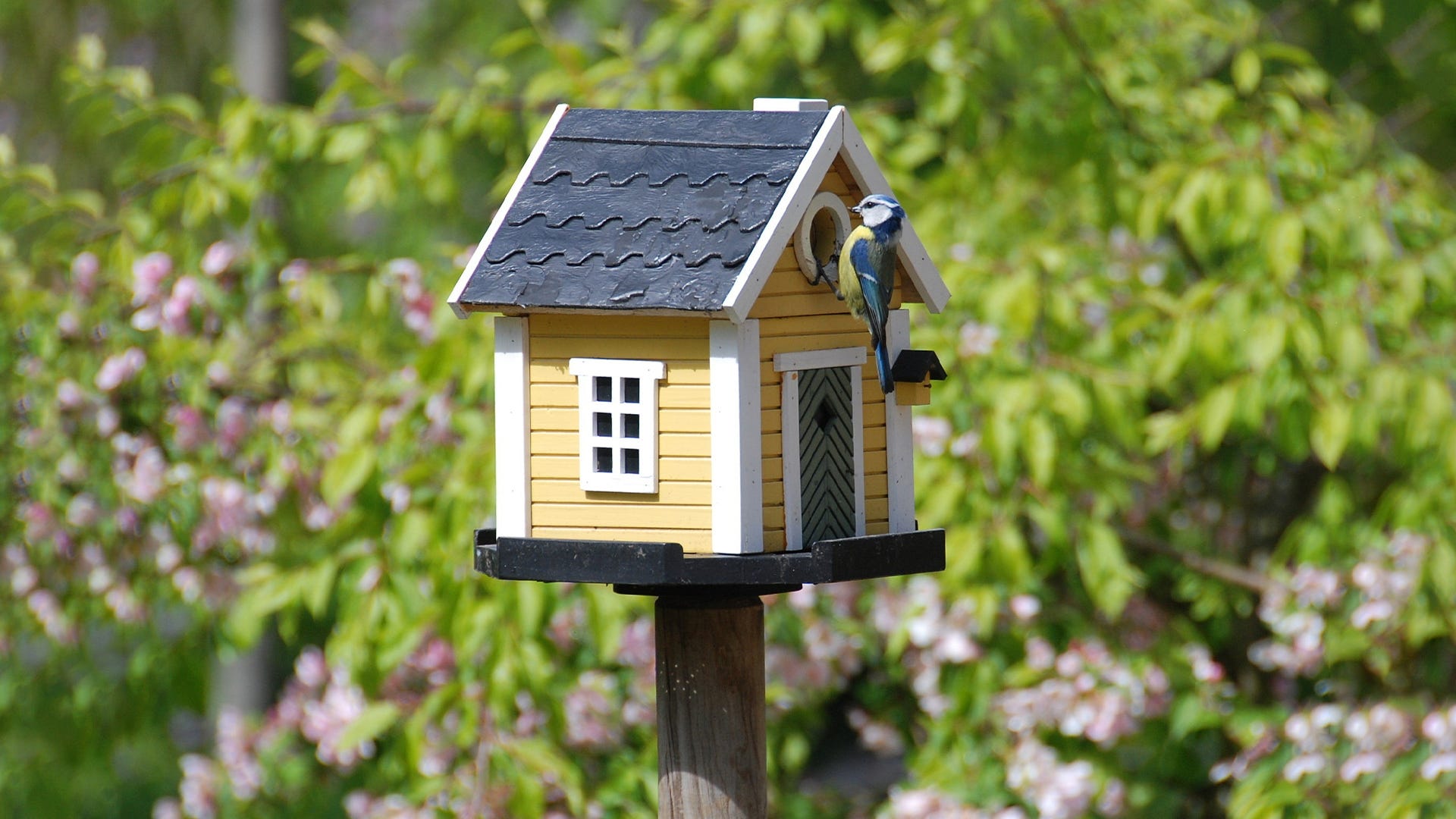
If you want birds to stay, not just visit, provide places to nest. Natural spots are best, but you can also use nest boxes.
Natural Nesting Sites
- Leave some dead trees (snags) standing. Woodpeckers and nuthatches use these.
- Dense shrubs give safe spots for robins and cardinals.
- Grassy patches or brush piles help ground-nesting birds.
Birdhouses And Nest Boxes
Place boxes at the right height and facing away from strong winds. Clean them every winter. Here’s a quick guide:
| Bird Species | Box Height | Entrance Hole Size | Special Tips |
|---|---|---|---|
| Bluebird | 4-6 feet | 1.5 inches | Open area, face east |
| Chickadee | 5-15 feet | 1.125 inches | Wooded edge, add sawdust |
| Wren | 5-10 feet | 1 inch | Dense cover, small box |
| Owl | 10-20 feet | 3 inches | Quiet area, large box |
Non-obvious tip: Do not add a perch to nest boxes. Predators use them to reach inside.
Making Your Garden Safe
Birds will avoid gardens where they feel threatened. Cats, window strikes, and chemicals are the biggest dangers.
Protecting Birds From Predators
- Keep cats indoors or use a collar with a bell.
- Place feeders and baths at least 10 feet from thick cover.
- Trim lower branches where cats can hide.
Preventing Window Collisions
Each year, millions of birds die from hitting windows. Place feeders either less than 3 feet from windows (birds can’t get up speed) or more than 30 feet away. Use window decals, screens, or netting to break up reflections.
Avoiding Toxic Hazards
Don’t use rodent poison, slug pellets, or strong pesticides. Birds can eat poisoned insects and get sick.
Non-obvious insight: Letting your lawn grow a bit longer gives insects (bird food) a safer place to live and reduces chemical use.
Adding Shelter And Roosting Spaces
Shelter is not just about nesting. Birds need places to rest, hide from weather, and sleep safely at night.
Types Of Shelter
- Evergreen trees and shrubs give cover in winter.
- Brush piles made from pruned branches help wrens and sparrows.
- Climbing vines on trellises or fences offer hiding spots.
- Hedge rows give safe travel corridors.
Placement Tips
Group shelter plants near feeders and baths but leave open spaces too. Too much cover near food can help predators hide.
Practical note: Roosting boxes (similar to nest boxes but with a bottom entrance) can help birds survive cold nights.
Keeping The Garden Natural
A perfect lawn or tidy flowerbed may look nice to people, but birds prefer a more natural look. Here’s how to help:
- Leave leaf litter under trees. It hides insects for birds to eat.
- Don’t cut all the tall grass or dead stems in fall; wait until spring.
- Pile sticks or logs in a corner for beetles and bugs (which attract woodpeckers).
Attracting Birds With Sound
Birds communicate by sound, and some are drawn to noise that signals water or food.
- Hanging wind chimes or trickling water can attract curious birds.
- Playing recorded bird calls can work but use this rarely, as it may stress birds.
Caution: Never play predator calls or use loud noises—these can scare birds away.
Observing And Identifying Your Visitors
Once you start attracting birds, the fun part is watching and learning. Keep a notebook or use a birdwatching app. Try to identify each new visitor. Over time, you’ll see patterns—certain birds come in spring, others stay all winter.
Top Birds To Expect
Depending on your region, here are some common garden birds:
- House Sparrow
- American Robin
- Northern Cardinal
- European Starling
- Mourning Dove
- Blue Jay
- Goldfinch
- Song Thrush
- Chickadee
- Woodpecker
Some rarer birds may appear if you offer the right food or shelter.

Advanced Tips For More Species
If you want to attract a wider range of birds, try these advanced strategies:
- Offer different foods at the same time—seed, suet, fruit, and nectar.
- Create microhabitats: A sunny patch, a shady corner, and a damp spot.
- Add a brush pile or a small wild meadow area.
- Grow native berry bushes for winter food.
- Make sure water never freezes in winter; birds need it even in snow.
- Keep a quiet garden—avoid using leaf blowers or loud tools during peak bird hours (early morning and late afternoon).
- Install a camera near feeders to watch birds up close without scaring them away.
Common Mistakes To Avoid
Many people start with good intentions but make errors that turn birds away. Here are the most frequent problems and how to fix them:
- Dirty feeders: Moldy seed and unwashed feeders spread disease.
- Wrong food: Bread, crackers, and salty snacks are not good for birds.
- Too much food: Only fill feeders with enough for a few days; old food attracts pests.
- Placing feeders in open, exposed spots: Birds like to eat near cover, but not right in thick bushes.
- Ignoring water: Food alone won’t attract as many birds as food plus water.
- Not cleaning birdbaths: Dirty water can give birds disease.
- Using pesticides: Even “safe” sprays can harm birds.
- No variety in plants: Monoculture (only one plant type) doesn’t support many bird species.

Monitoring And Adapting Your Garden
A bird-friendly garden is always changing. New plants mature, birds change with the seasons, and the local environment shifts. Watch what works and what doesn’t. If a certain feeder stays empty, try moving it or changing the food. If birds ignore your birdbath, adjust its location or add moving water.
Seasonal Adjustments
- Spring: Offer nesting material like pet hair or small twigs. Clean feeders and baths.
- Summer: Keep water fresh. Reduce suet (it can melt and spoil).
- Fall: Add berry bushes and leave seed heads for migrating birds.
- Winter: Keep feeders full and water unfrozen. Shelter is extra important.
Benefits Of Attracting Birds
Welcoming birds helps more than just your own enjoyment. Birds eat insects, pollinate flowers, and spread seeds. This makes your garden healthier and more balanced.
A garden with birds is also a sign of a healthy ecosystem. It can increase property value and reduce the need for chemicals. Watching birds has been shown to lower stress and improve mood.
According to a study by the Cornell Lab of Ornithology, gardens with diverse native plants have up to 50% more bird species than those with mostly non-native plants (Cornell Lab of Ornithology).
Frequently Asked Questions
How Long Does It Take For Birds To Visit My Garden?
It can take anywhere from a few days to several weeks. Birds need time to find new food or water sources. Consistency is key—keep feeders full and water fresh.
What If Squirrels Or Other Animals Eat All The Bird Food?
Use squirrel-proof feeders and place them away from jumping points. Choose food like safflower seeds, which many squirrels dislike.
Is It Safe To Feed Birds All Year?
Yes, but change food seasonally. In summer, focus more on water and less on suet or fatty foods. Clean feeders more often in hot weather.
Which Plants Are Best For Attracting Birds?
Native plants are always best. Try oaks, dogwoods, sunflowers, and berry bushes like holly or serviceberry.
Why Aren’t Any Birds Coming Even Though I Have A Feeder?
Check for these problems: dirty feeders, wrong food, unsafe location (too exposed or too close to hiding spots for cats), lack of water, or use of chemicals in the garden.
Bringing birds to your garden is not just about putting up a feeder. It’s about building a welcoming habitat, observing what works, and adapting as you learn. With patience and care, you’ll find that your garden becomes a lively, colorful haven for both birds and people.
The rewards—a richer natural experience and a healthier garden—are more than worth the effort.

