Often yes — a tripod improves sharpness and patience in wildlife photography, but it depends.
I’ve spent years photographing birds, mammals, and shy shorebirds in dim light and blazing sun. As a photographer and guide, I’ll walk you through whether do you need a tripod for wildlife photography, when it’s essential, when it’s optional, and how to choose the right one. You’ll get practical tips, real mistakes I made, and clear rules you can use in the field today. Read on if you want to make sharper, more deliberate wildlife images without wasting time or gear.

Why a tripod matters in wildlife photography
A tripod stabilizes your camera. That stability reduces blur from camera shake and lets you use longer lenses and slower shutter speeds safely. For wildlife photography, where subjects often sit far away and you use heavy telephoto lenses, a tripod can be the difference between a keeper and a throwaway shot.
Benefits include:
- Steady sharp images even at long focal lengths
- Ability to use lower ISO for cleaner files
- Consistent framing for sequences and behavior shots
- Less fatigue during long waits in hides or blinds
When you ask do you need a tripod for wildlife photography, think about the situations above. Tripods bring technical and physical advantages that matter for serious wildlife work.

When you need a tripod for wildlife photography
Use a tripod when these conditions apply:
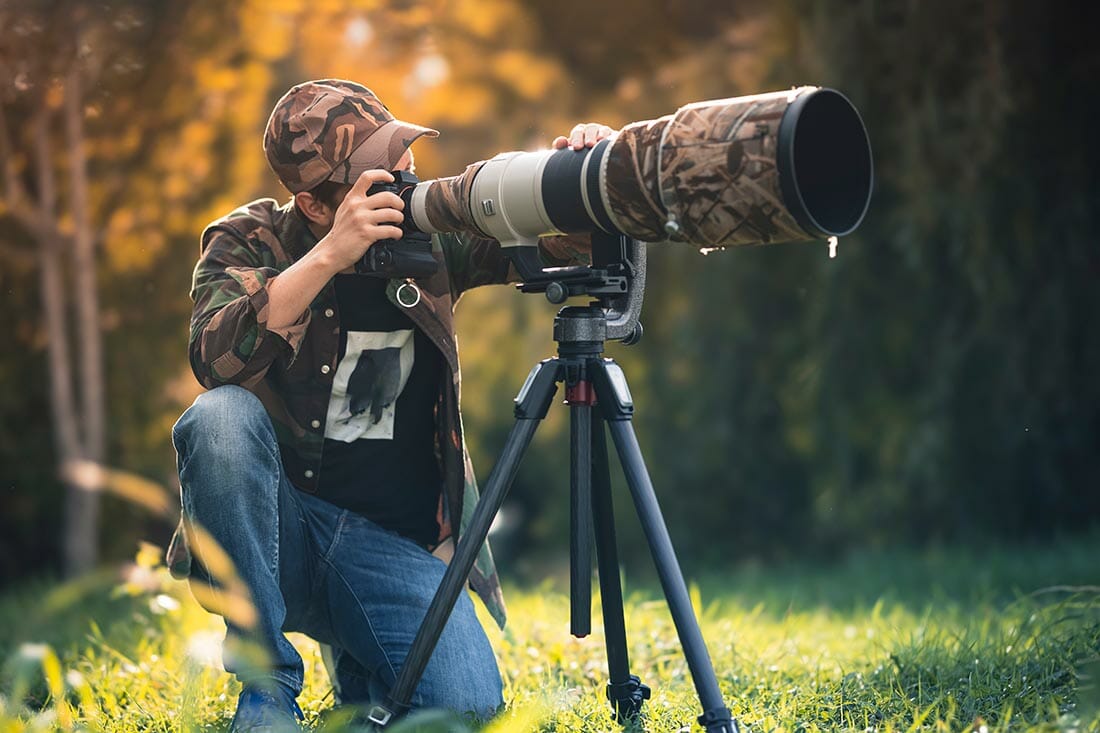
- Shooting with telephoto lenses 300mm and longer and you want tack-sharp images.
- Light is low and you need shutter speeds slower than handholdable limits.
- You plan to wait in one spot for long periods, such as in a blind or wildlife hide.
- You’re doing behavioral or portrait shots where precise framing matters.
Tripods are especially useful for dawn and dusk, marshes, and seabird colonies. If your goal is maximum image quality and repeatable results, then do you need a tripod for wildlife photography? In most cases, yes.
When you might skip a tripod for wildlife photography
There are times when you don’t need a tripod:
- Fast action and flight shots where mobility beats absolute stability.
- Lightweight travel sessions where gear weight matters.
- Close-range subjects where you can use fast shutter speeds and stabilization.
- Stealth situations where setting up a tripod risks spooking animals.
If you prioritize speed, agility, or minimal gear, you can skip a tripod. Still ask: do you need a tripod for wildlife photography on this outing? If the answer is no, bring a monopod or rely on in-body or lens stabilization instead.

Choosing the right tripod for wildlife photography
Not all tripods are equal. Choose based on stability, weight, head type, and load capacity. A rigid, mid-weight carbon fiber or aluminum tripod often hits the sweet spot for wildlife.
Key features to consider:
- Load capacity that exceeds your camera plus largest lens
- A sturdy ball head or gimbal head for smooth tracking
- Reachable height for shooting from hides or standing positions
- Quick-release plate compatibility with your lens foot
If you shoot heavy glass like 500mm or 600mm lenses, a gimbal head plus a robust tripod is ideal. For lighter setups, a compact carbon fiber tripod reduces fatigue without sacrificing too much stability. When assessing options, keep asking do you need a tripod for wildlife photography and which one matches your needs.

Tripod techniques and best practices in wildlife photography
Good technique matters as much as the tripod itself. Simple steps improve results dramatically.
Practical tips:
- Mount lens foot to tripod or head, not the camera body for heavy lenses.
- Use a gimbal head for tracking moving birds and a ball head for static subjects.
- Lower center column if possible; extend legs instead for better stability.
- Add weight to the tripod hook in wind to reduce micro-shake.
- Use quick-release systems for fast transitions back to handholding.
Also practice silent setups. Animals hear and see movement. I learned to approach, set up, and then sit still for long periods. That patience often produced the best behavior shots. If you wonder do you need a tripod for wildlife photography in windy or low-light conditions, the answer usually leans toward yes when you combine these techniques.
My real-world experiences with tripods in wildlife photography
I remember a morning photographing owls at dawn. My tripod kept the long lens steady at a low shutter speed, and I captured a sharp portrait as the bird blinked. On another trip, I left the tripod at the car to stay light, then missed crisp flight shots because my shutter speed couldn’t keep up.
Lessons learned:
- Bringing the tripod cost me extra weight but delivered images I was proud to print.
- A poor tripod head made panning jerky; upgrading solved that problem.
- In dense forest light, tripod use allowed me to drop ISO and retain bird feather detail.
These experiences taught me to match tripod choice to mission. Ask yourself: do you need a tripod for wildlife photography on this trip? If the trip aims for high-quality stills, bring it.

Frequently Asked Questions of do you need a tripod for wildlife photography
Do I always need a tripod for wildlife photography?
No. You don’t always need a tripod. For fast action, short bursts, or very close subjects, a tripod may slow you down.
Can image stabilization replace a tripod?
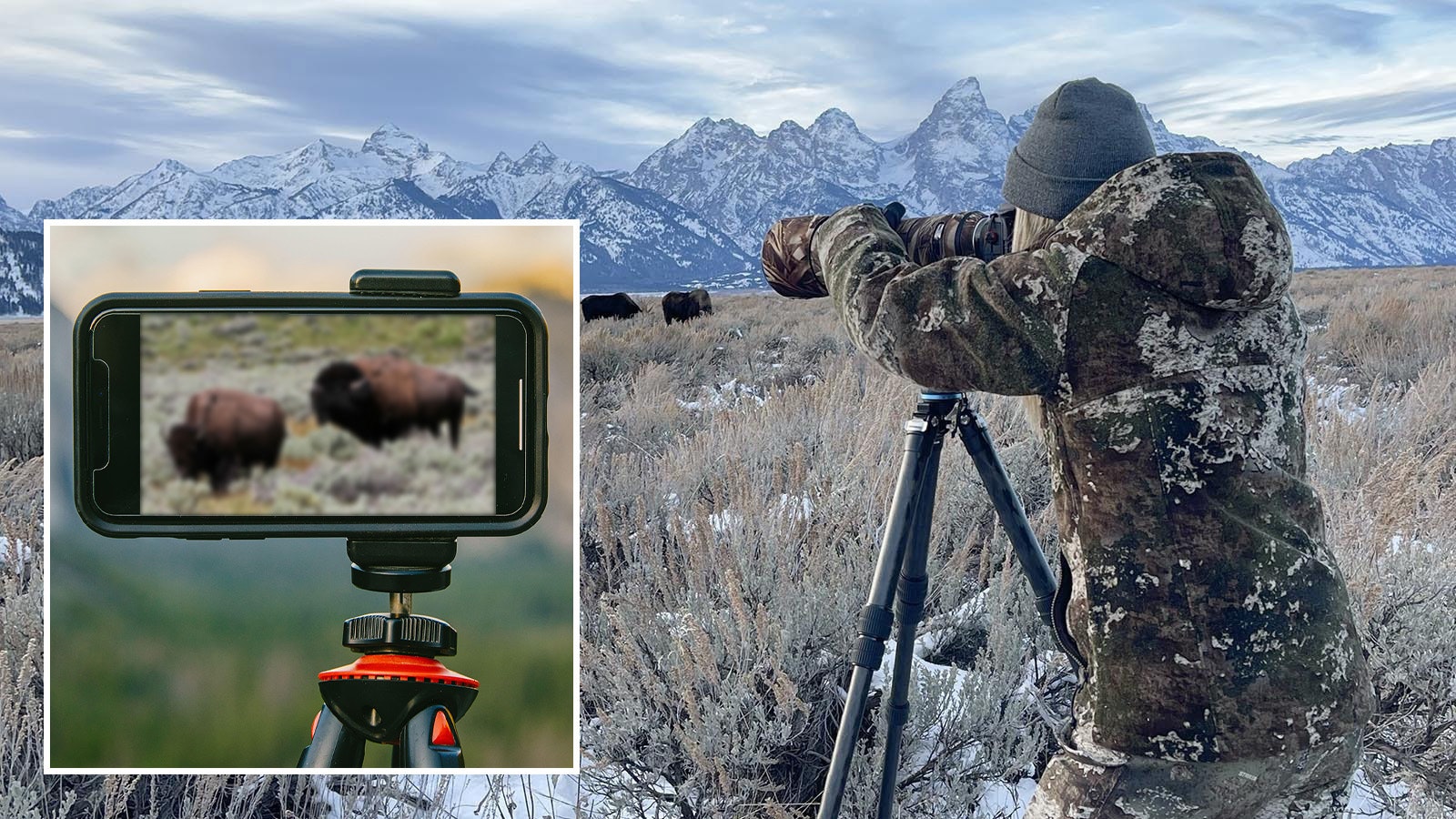
Image stabilization helps, but it’s not a full replacement. Stabilization reduces shake, but a tripod still gives the best sharpness and allows longer exposures.
Is a monopod a good alternative for wildlife photography?
Yes. A monopod adds some stability and mobility. It’s a strong choice when you need to move quickly but still want steadier shots than handholding.
What tripod head is best for bird and wildlife photography?
A gimbal head is ideal for large telephotos and tracking birds. A sturdy ball head works well for static subjects and lighter lenses.
How much should a wildlife photography tripod weigh?
Pick the lightest tripod you can while still supporting your gear. For heavy glass, prioritize load capacity over minimal weight.
Conclusion
Tripods are powerful tools for wildlife photographers. They deliver sharpness, consistency, and comfort during long waits. You don’t always need a tripod for wildlife photography, but when image quality, long focal lengths, or low light matter, a tripod will lift your results. Start by matching your shooting goals to the right tripod and practice setup and silent operation. If you want sharper wildlife images, try bringing a tripod on your next outing and compare the results — then share what you learned or ask questions below.

