
Aim for 1/500–1/2000s for most wildlife; faster for small birds and action.
I’ve spent a decade photographing animals in the field, so I know how critical shutter speed decisions are. This guide explains what shutter speed is best for wildlife photography with clear rules, real-world tips, and settings you can use right away. Read on to learn practical choices for birds, mammals, and fast action, and how to balance shutter speed with ISO and aperture for sharp, detailed shots.
Understanding shutter speed and motion
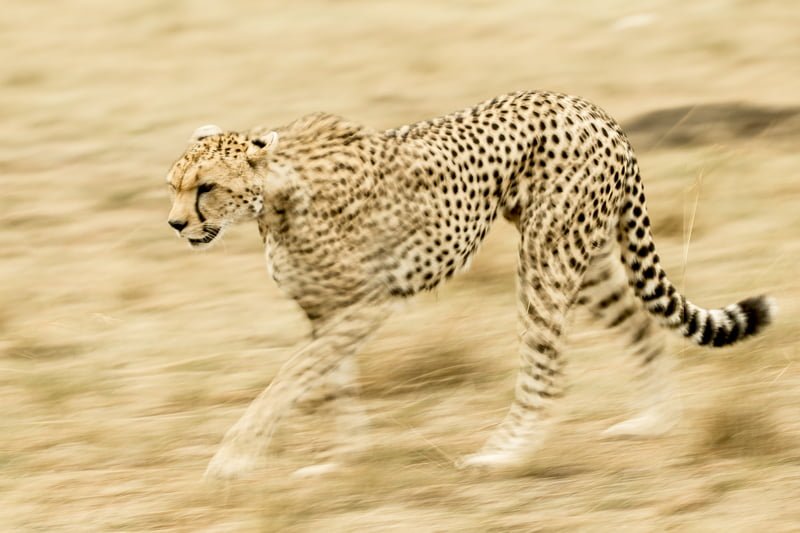
Shutter speed is the time your camera sensor is exposed to light. Shorter times freeze motion. Longer times create motion blur.
Knowing what shutter speed is best for wildlife photography means matching speed to animal behavior. Fast flyers need far faster shutter speeds than slow grazers. My experience shows that testing in the field beats theory alone.
Recommended shutter speeds for common wildlife scenarios
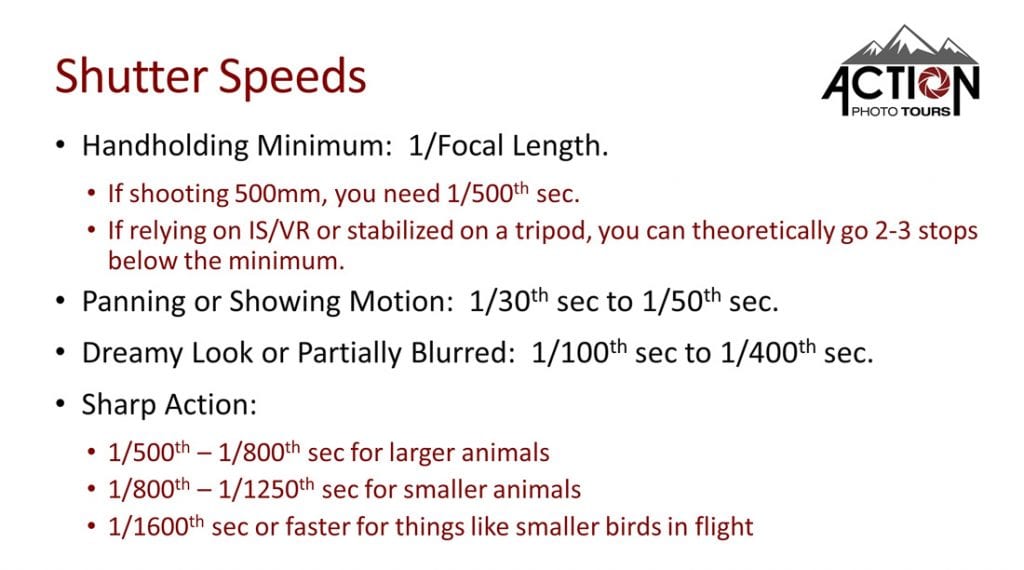
Here are practical starting points for what shutter speed is best for wildlife photography. Use these as baseline settings and adjust for light and lens.
- Fast flying birds in bright light: 1/2000s to 1/4000s. This freezes wing beats and fast dives.
- Small birds perched or slow flapping: 1/1000s to 1/2000s. You get sharp eyes and some wing detail.
- Running mammals (deer, foxes): 1/1000s to 1/2000s. Pace and stride are frozen with these speeds.
- Large mammals walking (elephants, elk): 1/500s to 1/1000s. These animals move slower and need less speed.
- Slow-moving subjects (tortoise, grazing animals): 1/125s to 1/500s. You can allow some motion blur for context.
- Panning shots to show motion: 1/30s to 1/125s depending on speed and panning skill.
In bright daylight you can pick high shutter speeds with low ISO. In low light you must raise ISO or open aperture. Keep testing to find what shutter speed is best for wildlife photography in your local conditions.

How to choose shutter speed: the key factors
Choosing the right shutter speed depends on subject speed, lens reach, stabilization, and light. Consider these factors every time you shoot.
- Subject speed: Match shutter to animal motion. Faster animals need faster shutter speeds.
- Focal length and camera shake: Longer lenses amplify shake. Use a faster shutter speed than 1/focal length when handheld. For telephotos, aim for 1/(focal length × 1.5) or faster.
- Image stabilization: IS helps, but it won’t freeze wings or sprinting animals. Rely on shutter speed for subject motion.
- Light and ISO: If light is low, increase ISO first. Then open aperture. Balance noise and depth of field.
- Desired effect: Use motion blur intentionally for creative shots. Decide whether freezing action or showing motion fits your story.
From my fieldwork, I learned to start with a shutter speed based on the subject, then tweak ISO and aperture. That method consistently gives crisp images and good exposure.
Practical camera settings and workflow
A simple workflow speeds up decisions about what shutter speed is best for wildlife photography. Use camera modes and tools to stay ready.
- Use Shutter Priority mode for fast changes in subject speed. Set shutter speed, let camera pick aperture.
- Use continuous autofocus and high-speed burst to increase keeper rate. Focus on the eye and hold focus through the sequence.
- Raise ISO in small steps to maintain shutter speed without losing depth of field. Modern bodies handle ISO well up to high values.
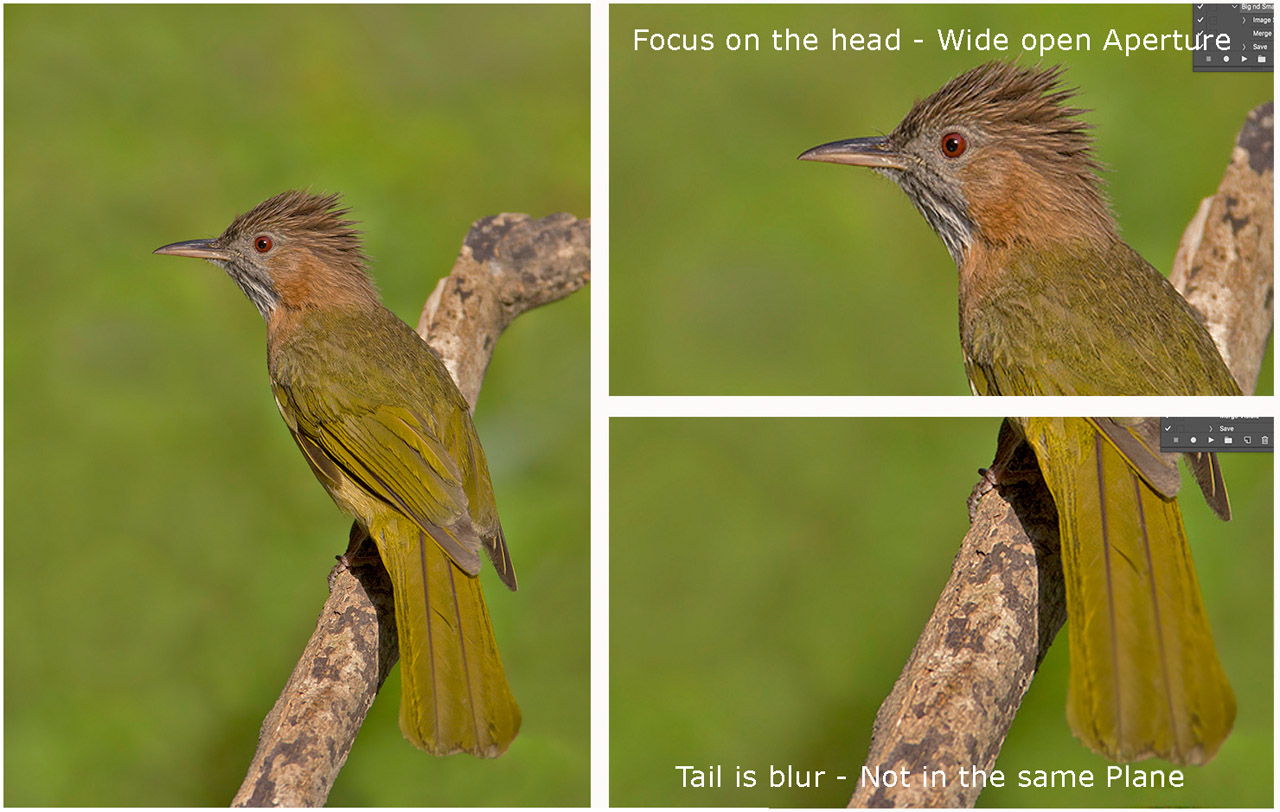
- Choose a wide aperture to allow faster shutter speeds, but watch depth of field on close subjects.
- Use a monopod or gimbal head for heavy telephotos. They stabilize long lenses and make panning smoother.
I used these settings during a multi-day field trip and saw my sharp frame rate double. Small adjustments to shutter speed and ISO matter a lot in the field.

Common mistakes and quick fixes
Avoid these common errors when deciding what shutter speed is best for wildlife photography.
- Mistake: Relying only on autofocus and slow shutter speeds. Fix: Increase shutter speed and use continuous AF.
- Mistake: Using too shallow depth of field at close range. Fix: Stop down slightly or back up to increase DOF.
- Mistake: Ignoring light changes during dawn or dusk. Fix: Monitor histogram and bump ISO proactively.
- Mistake: Not testing panning speeds. Fix: Practice panning at 1/60s–1/250s to find a feel that matches subject speed.
I once lost a sharp shot of a fox because I trusted a slow shutter for low ISO. After that, I started raising ISO earlier and saved many shots.

Frequently Asked Questions of what shutter speed is best for wildlife photography
What shutter speed should I use for birds in flight?
For most birds in flight, aim for 1/2000s or faster. Smaller, faster birds may need 1/3000s–1/4000s to freeze wing detail.
Can I use slower shutter speeds for dramatic wildlife shots?
Yes. Slower speeds like 1/30s–1/125s work for panning to show motion or creative blur. Practice panning to keep subjects sharp while blurring the background.
How does focal length affect my shutter speed choice?
Longer focal lengths amplify camera shake. Use a faster shutter than the reciprocal rule (1/focal length) and stabilize your camera with a monopod or gimbal head.
Should I prioritize shutter speed over ISO?
Prioritize shutter speed to freeze action, then raise ISO as needed. Modern cameras handle higher ISO well, so it’s often better to accept some noise than blurred action.
How do I find what shutter speed is best for wildlife photography in low light?
In low light, open aperture first, then increase ISO to keep shutter speed in the recommended range. If you can’t reach needed speed, use stabilization or accept some motion blur.
Conclusion
Choosing what shutter speed is best for wildlife photography comes down to matching shutter speed to animal movement, lens reach, and light. Start with the baseline speeds above, then adjust ISO and aperture to keep subjects sharp. Practice panning, test in different light, and learn from each shoot.
Take action this week: pick a local subject, try three shutter speeds, and compare results. Share your best shot or ask questions to keep improving and stay curious about wildlife photography.

