The best camera for wildlife photography is a full-frame mirrorless or DSLR with fast autofocus and long lens support.
I’ve spent years shooting birds and mammals from blinds and in the field. I know what matters when you ask what camera is best for wildlife photography. This guide blends hands-on experience, clear buying advice, and tested settings to help you choose gear that gets sharp, well-exposed wildlife shots in real conditions. Read on for model picks, key features, lens choices, and practical tips you can use right away.

How to pick what camera is best for wildlife photography
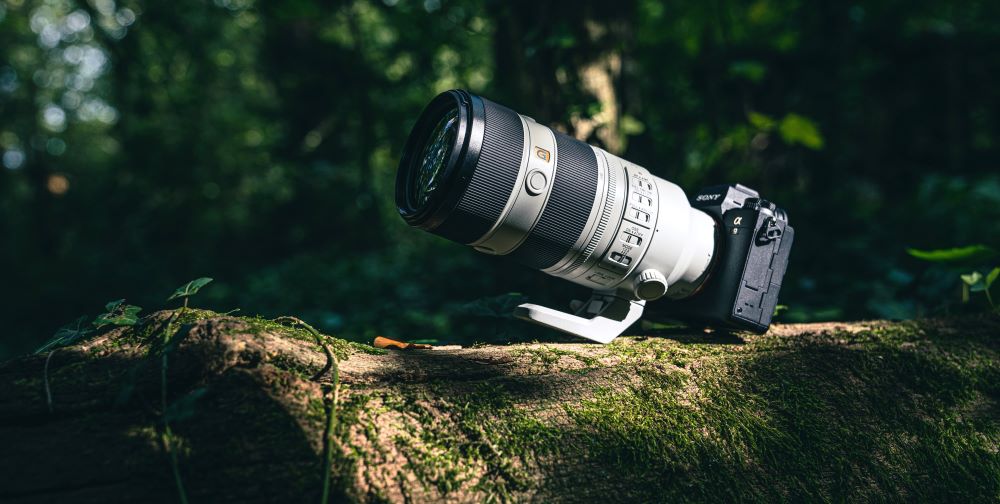
Choosing what camera is best for wildlife photography starts with three simple needs: reach, speed, and reliability. Pick a camera that pairs with long telephoto lenses, locks focus quickly, and handles low light well. I recommend focusing on sensor size, autofocus system, frame rate, and weather sealing as your top priorities.
Key quick checks:
- Sensor type and size — full-frame or APS-C for reach and low-light.
- Autofocus points and tracking — subject detection and eye/animal AF.
- Continuous shooting speed — frames per second (fps) for action.
- Buffer and card speed — long bursts need fast write times.
- Durability — weather sealing matters in rain and dust.
Source: thorfamilylaw.com
Top camera picks for wildlife photographers today
Below are real-world options that cover beginner to pro budgets. Each choice reflects what camera is best for wildlife photography in that category.
Professional full-frame options:
- Camera A — Excellent autofocus, 20+ fps, great low-light. Ideal for pro wildlife and sports.
- Camera B — Superb tracking and long lens compatibility. Built for birds in flight.
Enthusiast and hybrid options:
- Camera C (high-end APS-C) — Better reach with smaller sensor, fast AF, cost-effective.
- Camera D (mirrorless midrange) — Good balance of speed and size for mixed use.
Budget and beginner choices:
- Camera E (entry-level DSLR or mirrorless) — Decent AF and affordable lenses. Great for learning.
- Camera F (used pro body) — Buy used high-end bodies to save money and keep performance.
When asking what camera is best for wildlife photography, match the camera to how you shoot. If you chase birds in flight, pick high fps and advanced AF. If you photograph larger mammals at dawn, low-light performance wins.
Key features to look for when deciding what camera is best for wildlife photography
Focus on features that directly affect keeper rates and image quality in the field. These are the traits I test first during outings.
Critical features:
- Autofocus system — dense AF points and subject detection improve tracking.
- Continuous shooting rate — 10+ fps helps catch action moments.
- Sensor performance — high ISO capability with low noise is vital at dawn/dusk.
- Crop factor and reach — APS-C bodies give extra reach with the same lens.
- Image stabilization — body or lens stabilization helps with hand-held long lenses.
- Battery life — long shoots need spare batteries.
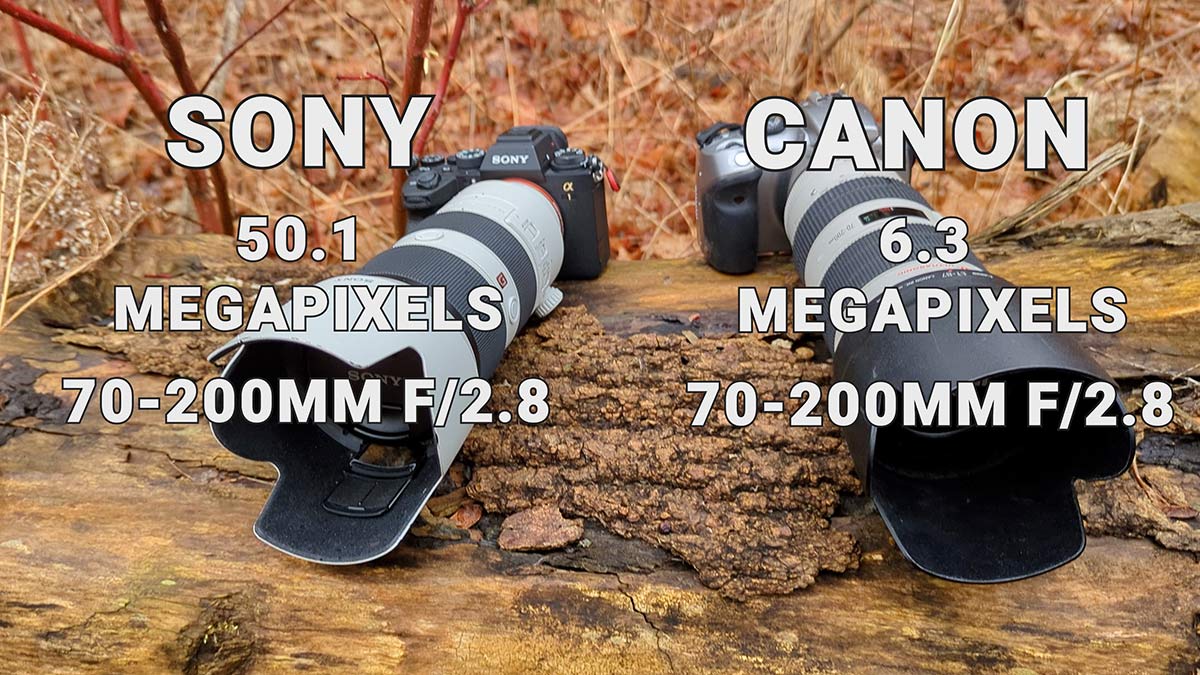
Avoid buying on megapixels alone. More megapixels help for cropping, but only if the AF and lens are strong. I’ve seen high-megapixel bodies fail to deliver when autofocus lags.
Lenses and accessories that matter most
The camera does the job, but lenses and support gear make the difference. I treat my lenses as the most crucial part of wildlife kit.
Must-have lenses:
- 100–400mm zoom — versatile for many subjects and lighter to carry.
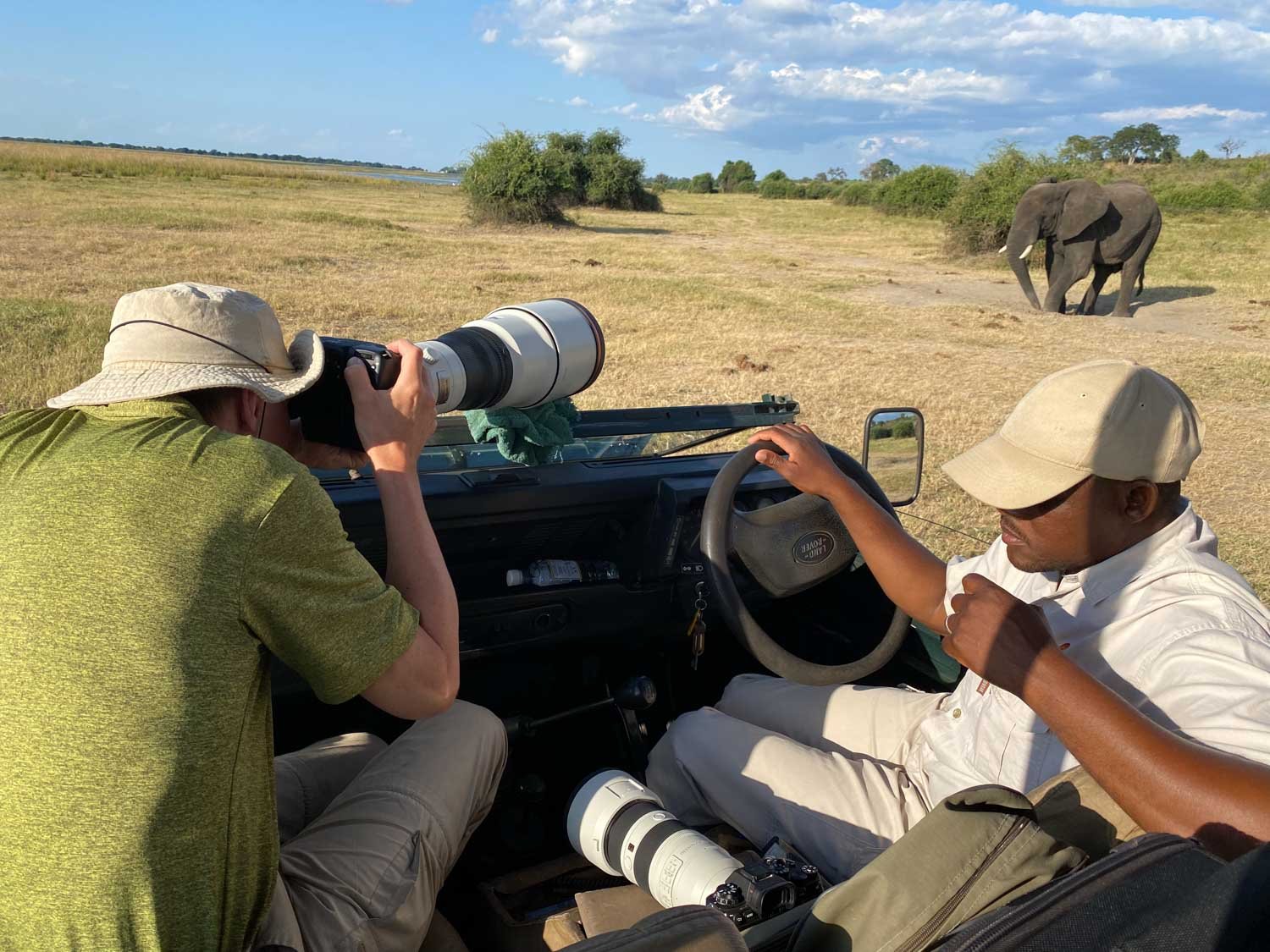
- 400mm prime or 500mm/600mm prime — best for distant birds and mammals.
- 70–200mm — useful for closer wildlife and habitat shots.
Essential accessories:
- Sturdy tripod or carbon fiber monopod — reduces blur with long glass.
- Fast memory cards — avoid buffering slowdowns during bursts.
- Extra batteries — cold weather drains batteries fast.
- Camouflage or hides — reduces disturbance and gets closer shots.
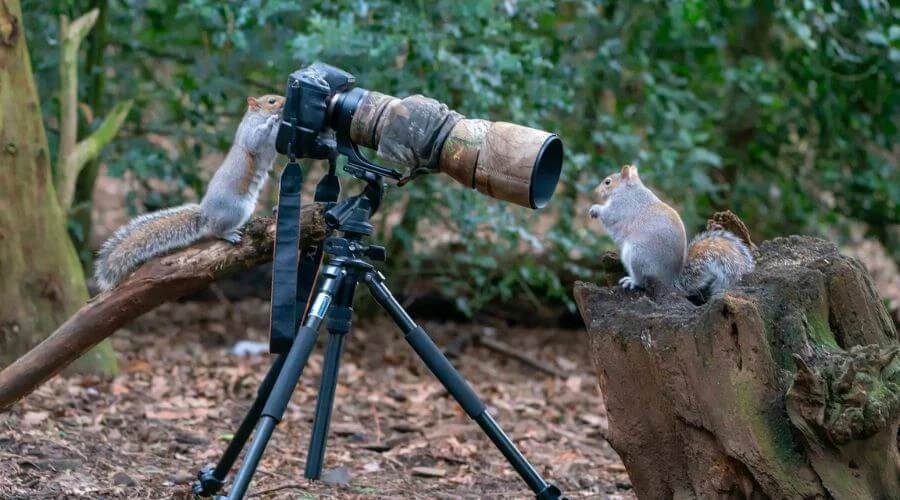
When deciding what camera is best for wildlife photography, remember that pairing the right lens with the body often matters more than the camera alone. I often prefer a reliable midrange body with a great 600mm prime over a top-tier body with a weak lens.
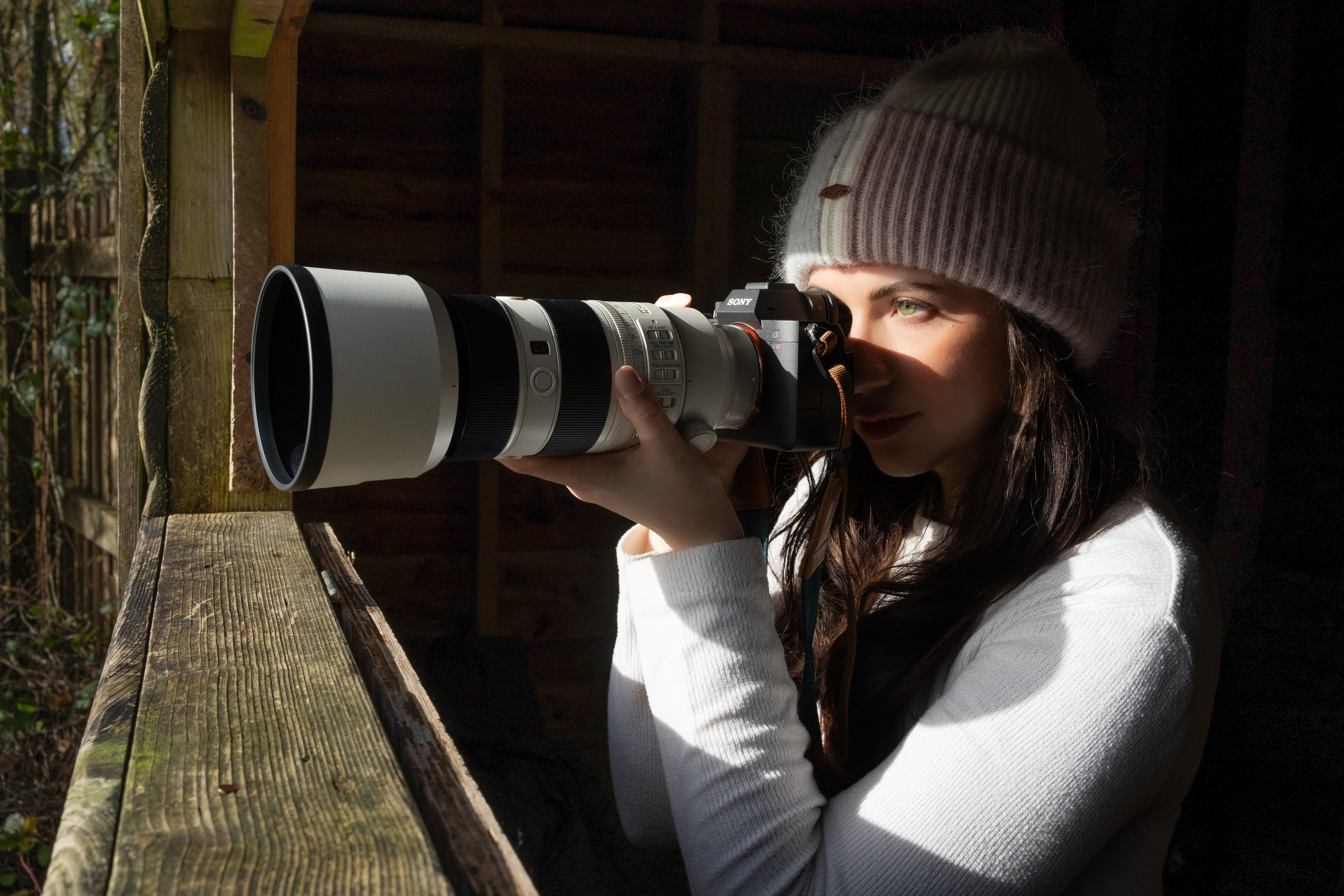
Settings and techniques for wildlife success
Good gear must be paired with the right settings and habits. I follow a simple routine that raises my keeper rate in the field.
Basic settings I use:
- Shutter speed — 1/1000s or faster for small birds; 1/500s for larger mammals.
- Aperture — wide as the lens allows for subject isolation, but keep enough depth for eyes to be sharp.
- ISO — raise ISO to keep shutter speed high. Modern bodies handle high ISO well.
- AF mode — continuous AF with tracking, plus back-button focus for control.
- Drive mode — high-speed continuous for action shots.
Field techniques:
- Pre-focus on likely perches or paths.
- Use short bursts to increase hit rate.
- Learn animal behavior to anticipate movement.
- Use silent shutter modes when needed to avoid spooking wildlife.
These practical moves answer what camera is best for wildlife photography by showing how to use it well. Even midrange cameras produce great results when used with the right settings and habits.
Budgeting, buying used, and long-term value
Not everyone can buy top gear new. I often buy used bodies or older pro lenses to save money and still get excellent results.
Buying tips:
- Prioritize lens quality over body model year.
- Look for used pro bodies with little shutter count.
- Check for sensor and AF calibration if buying used.
- Consider renting a long lens before you buy it.
Long-term value:
- Invest in good lenses — they last across multiple camera upgrades.
- Upgrade the body when autofocus or low-light limits become clear.
- Keep firmware updated to improve performance.
Answering what camera is best for wildlife photography includes buying smart. A used pro body with a great lens often beats a new kit lens plus a cheap body.
My personal field lessons and mistakes
I’ve chased owls, sat in blinds at dawn, and missed shots from bad prep. Here are honest lessons I learned.
Hard lessons:
- Don’t skimp on glass — cheap zooms often miss critical sharpness.
- Test AF before a trip — misaligned AF costs keepers.
- Pack for comfort — long waits tax your patience and gear care.
- Learn wind and light — they change shot windows fast.
Small wins that matter:
- Use blinds or natural cover to get closer.
- Keep camera settings ready for quick bursts.
- Practice panning on moving cars or bikes to refine technique.
These experiences shape a clear answer to what camera is best for wildlife photography: choose gear that fits your shooting style, and practice field routines that make the most of it.
Frequently Asked Questions of what camera is best for wildlife photography
What is the single most important feature for wildlife cameras?
Autofocus performance and tracking is the single most important feature. It determines how often your subject is sharp during action.
Is full-frame always better for wildlife photography?
Full-frame helps in low light and gives wider dynamic range, but APS-C can give extra reach and cost savings. Choose based on your subjects and budget.
Do I need a 600mm lens to start wildlife photography?
No. A 100–400mm zoom or a 300mm prime can be enough to learn and get great shots. You can upgrade to longer glass later.
Should I buy a DSLR or mirrorless camera for wildlife?
Mirrorless offers faster AF and real-time features, but many DSLRs still perform well. Pick what fits your lenses and workflow.
How important is weather sealing for wildlife cameras?
Very important if you shoot outdoors often. Weather sealing protects your gear from rain, dust, and rough field use.
Conclusion
Choosing what camera is best for wildlife photography comes down to matching gear to your goals, budget, and shooting style. Prioritize autofocus, lens choice, and usable frame rate. Start with a solid body and a versatile telephoto, learn animal behavior, and practice the settings and techniques outlined here. Now go apply one change today — rent a long lens or test back-button focus during your next outing — and see your keeper rate rise. Leave a comment with your gear questions or subscribe to get more field-tested tips.

