
The best wildlife protective gloves combine long cuffs, thick leather, and solid bite resistance.
You love animals. But you also love your fingers. When a scared cat claws, a parrot tests its beak, or a snake thrashes, good gloves matter. The right pair protects your hands, wrists, and forearms without killing your grip. I’ve handled fractious cats, large parrots, and rescue reptiles. I know the difference between “tough enough” and “ouch.” In this guide, I break down the best wildlife protective gloves that balance bite and scratch resistance with control. I focus on comfort, coverage, and how they perform in real, messy work.
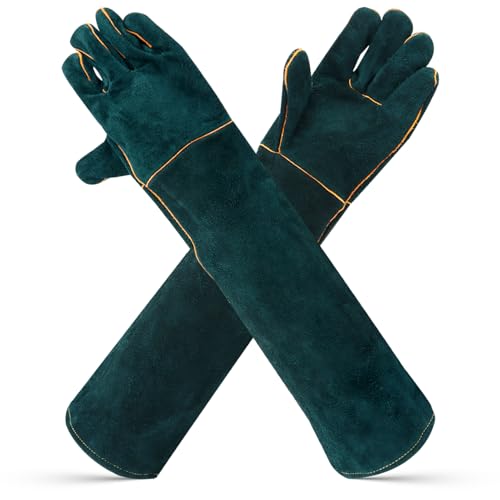
RODISHOMM 23.7″ Animal Handling Gloves…
Maximum Protection: These 23.7″ Bite Proof Gloves are ideal for animal handling, snake/falcon grabbing,and Zoo Workers or other challenging tasks. Heavy-Duty Design: Constructed with thick and durable materials, these gloves…

Gardening Gloves 23.6″, Thorn-Resistant Long…
Thorn & Heat Resistance: Made of 1.5 mm split cowhide with cotton lining to protect hands from thorns, scratches, sparks, and short contact with hot surfaces. Not fireproof—avoid direct flames….

AOWPFVV Long Sleeve Thick Leather…
THICK AND DURABLE: This Animal Handling Gloves Are Made of Thickened Leather, which is More Durable and Strong. And its Cotton Lining Offers Softness, Comfort and Extra Heat Protection EXCELLENT…
RODISHOMM 23.7″ Animal Handling Gloves

These RODISHOMM gloves run long at 23.7 inches, so your forearms get real cover. The split leather feels sturdy yet not clumsy. Reinforced palms add bite and scratch resistance where it counts. The design helps when you must guide a cat or hold a snake without fear.
I like the balance of padding and movement. The gauntlet length shields your pulse points and elbow area. Stitching is solid for regular use. If you work rescue, groom pets, or handle falconry gear, this pair makes tough jobs less risky.
Pros:
- Extra-long 23.7″ cuffs protect forearms
- Thick split leather resists bites and scratches
- Reinforced palm adds grip and durability
- Good movement for handling tools and leashes
- Useful for cats, dogs, birds, and reptiles
Cons:
- Not puncture-proof for very strong bites
- Can feel warm in hot rooms or summer
- May run bulky for small hands
My Recommendation
If you want the best wildlife protective gloves for all-around rescue and grooming, start here. The length and build give confidence with stressed animals. They shine for vet trips, bath time, and reptile moves. The coverage helps you stay calm and in control. Overall value is strong, and they are easy to source.
| Best for | Why |
|---|---|
| General animal handling | Long cuffs and tough palms for routine bites/scratches |
| Cat and dog grooming | Grip plus padding helps control and safety |
| Reptile handling | Forearm protection for quick body support |
Thorn-Resistant Long Gauntlet Gloves 23.6″

This 23.6-inch gauntlet pair blends garden-grade thorn protection with animal work. Split cowhide handles abrasion and heat well. The reinforced palm helps if you handle hot tools near a fireplace or forge. That mix is great when your work shifts from kennels to barns.
As animal gloves, they handle bites from small to mid-size pets. They are stiff at first, then break in. I like them for thorny outdoor rescues or field work. They can stand up to scrub brush and still guard your hands during a quick grab.
Pros:
- Long 23.6″ gauntlet protects forearms
- Thorn and abrasion resistance for field use
- Heat resistance for fireplaces and BBQ tasks
- Durable cowhide with reinforced palm
- Works as multi-purpose ranch glove
Cons:
- Stiffer feel until broken in
- Bulk may reduce fine finger control
- Not designed for large parrot beaks
My Recommendation
If you move between bush, barn, and kennel, this is a smart pick. It is one of the best wildlife protective gloves for field rescues. It shields from thorns and light bites. The heat resistance is a bonus for chores. Value is high if you want one glove for many tasks.
| Best for | Why |
|---|---|
| Outdoor rescues | Thorn and brush protection with long cuffs |
| Ranch or homestead work | Heat and abrasion resistance |
| Mixed pet handling | Good bite and scratch resistance for small to mid pets |
AOWPFVV Thick Leather Handling Gloves 23.6″

These AOWPFVV gloves have thick leather and long sleeves for full cover. They are built for cats, dogs, birds, and reptiles. The palm feels cushioned against bites. The leather still allows a decent grip on carriers and leashes.
I use this style when I need more padding. It helps during nail trims on nervous dogs. It also helps if a parrot gets grabby. The 23.6-inch length covers well past the wrist for safer handling.
Pros:
- Thick leather with long sleeves
- Good for cats, dogs, birds, reptiles
- Padded palm reduces bite shock
- Solid grip and control
- Good value for heavy-duty tasks
Cons:
- Can feel heavy for prolonged wear
- Not ideal for delicate reptile scales
- Limited finger dexterity
My Recommendation
Choose this if you want extra padding without losing all feel. It ranks among the best wildlife protective gloves for training and grooming. It eases the stress of bite-prone jobs. Stock is common, and sizing runs generous.
| Best for | Why |
|---|---|
| Nervous dog handling | Padded palm softens nips and sudden grabs |
| Bird training | Thick leather reduces beak pressure |
| Cat grooming | Long cuff protects forearms from claws |
Uzhika Bite-Resistant Handling Gloves

The Uzhika gloves stand out with a bright blue finish. They are built for cats, dogs, birds, and reptiles. The cuff length helps prevent wrist scratches. The palm feels reinforced without being too stiff.
I like these for daily tasks in clinics or shelters. They are lighter than some heavy-duty pairs. That helps when you need to switch between tasks fast. They still give bite and scratch resistance for small to mid animals.
Pros:
- Lightweight for frequent use
- Good cuff coverage
- Reinforced palm for safer grip
- Bright color is easy to spot
- Versatile for many species
Cons:
- Not for large bird beaks
- Less padding than heavy gauntlets
- May wear faster under rough use
My Recommendation
If you need speed and comfort, these are a smart choice. They rank as some of the best wildlife protective gloves for light to moderate risk. Good in busy clinics and home care. Stock often flows, and pricing is fair.
| Best for | Why |
|---|---|
| Daily clinic tasks | Lighter build for quick on/off and control |
| Cat handling | Good wrist cover and palm grip |
| Small reptiles | Enough protection without bulk |
Hamiledyi Bite-Proof Handling Gloves 23.6″

Hamiledyi’s 23.6-inch gloves target bite and scratch risks in grooming and rescue. The long cuffs cover forearms well. The palm has extra layers for grip and safety. They hold up for common tasks like bathing and carrier loading.
I like the balance of feel and defense here. They suit cats, dogs, and many reptiles. The stitching and build are durable for frequent use. Good pick if you want reliable protection without heavy bulk.
Pros:
- Forearm-length coverage
- Reinforced palm and fingers
- Good grip when wet
- Useful for grooming and rescue
- Solid durability for the price
Cons:
- Not for very large dogs
- May feel tight on big forearms
- Break-in period needed
My Recommendation
This is a dependable pick for busy handlers. I count it among the best wildlife protective gloves for bathing and vet runs. It offers grip even when soaked. It is easy to buy and usually in stock.
| Best for | Why |
|---|---|
| Bathing and grooming | Grip in wet work and long cuff |
| Rescue transport | Reinforced palm for safer holds |
| Small reptiles | Protects while keeping control |
AOWPFVV XL Leather Handling Gloves

This XL “loose” version helps bigger hands breathe and move. The leather is thick and sturdy. The long sleeve adds safe coverage for birds and cats. It is helpful when normal sizes pinch or restrict motion.
In clinics, a proper fit changes everything. Loose XL improves comfort on long days. You still get robust bite and scratch defense. The design suits dog training and bird handling alike.
Pros:
- Roomy XL fit for comfort
- Long cuff for forearm safety
- Strong leather for bites and scratches
- Better airflow than tight gloves
- Great for larger hands and sleeves
Cons:
- Loose fit can reduce fine control
- Not ideal for very small hands
- Bulk may get in the way with tiny animals
My Recommendation
If standard gloves feel cramped, these solve it. They deserve a spot on any list of the best wildlife protective gloves for large hands. The extra room helps you work longer with less fatigue. Stock and sizing are easy to find.
| Best for | Why |
|---|---|
| Large hands | Loose XL fit improves comfort and movement |
| Bird work | Long cuff and solid bite resistance |
| Dog training | Thick leather helps with nips during drills |
ANBOOSN Latex-Free Rubber Gloves, Small

These small, latex-free rubber gloves are not bite-proof. But they are essential liners and task gloves. They protect staff and animals from cross-contamination. They meet ISO 13485 quality system standards, which guides medical product processes.
I use disposables for cleaning, wound care, and feeding. They also work under leather gauntlets to keep sweat away. Latex-free helps with allergies. Every shelter and clinic needs boxes on hand.
Pros:
- Latex-free for sensitive skin
- ISO 13485 production quality processes
- Good for hygiene and cleaning
- Fit under heavy gloves as liners
- Cost-effective box for daily use
Cons:
- Not bite-proof or scratch-proof
- Can tear with heavy abrasion
- Limited heat resistance
My Recommendation
These are vital support gloves. They are part of the best wildlife protective gloves setup when used as liners or for hygiene. They help keep animals and staff safe from fluids and germs. Keep extras in every room.
| Best for | Why |
|---|---|
| Hygiene tasks | Disposable, latex-free, clean handling |
| Under-gauntlet liner | Sweat and odor control |
| Feeding and meds | Helps reduce cross-contamination |
Bird Anti-Bite Gloves + Arm Sleeves

This kit focuses on bird handlers. You get gloves plus arm sleeves, which is smart. Many parrot bites land just above the wrist. Level 5 cut protection suggests strong cut resistance, often linked with materials like HPPE or similar fibers.
These help with parrots, cockatiels, and small mammals. The sleeves add a barrier where birds like to climb and test. You still need skill with large macaws. But for training and step-up drills, this set shines.
Pros:
- Gloves plus sleeves for full coverage
- Level 5 cut-resistant materials
- Great for parrots and small pets
- Better wrist and forearm safety
- Good for training sessions
Cons:
- Not proof against very strong beaks
- Dexterity can be limited
- Sleeves may slip without tight fit
My Recommendation
If birds are your main work, pick this set. It is among the best wildlife protective gloves for parrot training. The sleeves make a real difference. Availability is good, and the kit is handy for travel.
| Best for | Why |
|---|---|
| Parrot handling | Sleeves protect common bite zones |
| Training sessions | Cut resistance for repeat drills |
| Small mammals | Extra arm cover for curious nibblers |
ANBOOSN Latex-Free Rubber Gloves, Small

This is another box of latex-free disposables in small size. Again, these are not for bites. They are for hygiene, prep, and quick tasks. They help protect staff and animals from cross-contact and fluids.
Use them when you feed, clean, or sanitize. Use them under heavy gloves for sweat control. They are part of a full safety setup. Clinics and rescue teams should stock many boxes.
Pros:
- Latex-free for allergy safety
- Great for cleaning and prep
- Fit as under-glove liners
- Help maintain hygiene standards
- Cost-effective bulk pack
Cons:
- No bite resistance
- Easy to tear on rough edges
- Not for heat or sharp objects
My Recommendation
Pair these with your gauntlets. In my setup, they are always near sinks and cages. They support the best wildlife protective gloves by keeping them cleaner and more comfortable. Stock levels are usually steady and affordable.
| Best for | Why |
|---|---|
| Sanitation | Disposable and clean for quick jobs |
| Liner under gauntlets | Controls sweat and odor |
| Feeding prep | Helps prevent cross-contact |
23.6″ Multipurpose Animal Handling Gloves

These 23.6-inch gloves aim at grooming and vet trips. They focus on scratch and bite resistance. The long cuffs help when cats panic or dogs twist. The palm gives enough grip for wet baths and quick holds.
I like these for home groomers and foster work. They protect without feeling like armor. You still get a good feel for animal movement. That matters when trust is fragile and you need calm hands.
Pros:
- Long cuff for safer forearms
- Balanced padding and movement
- Grippy palm in wet work
- Great for home grooming
- Good value for routine tasks
Cons:
- Not for heavy-duty bites
- May wear faster with daily pro use
- Limited heat protection
My Recommendation
If you foster or groom at home, start here. These are some of the best wildlife protective gloves for bath day and nail trims. They balance safety and feel at a nice price. They are easy to order, too.
| Best for | Why |
|---|---|
| Home grooming | Affordable and protective |
| Vet trips | Long cuff reduces stress and risk |
| Basic reptile moves | Control without heavy bulk |
How I Judge the Best Wildlife Protective Gloves
I look for coverage, materials, grip, and fit. Long cuffs prevent wrist and forearm bites. Split cowhide and reinforced palms resist scratches and light bites. Some pairs add cut-resistant fibers, which helps with birds and sharp claws. Grip matters in wet rooms and during transport.
Comfort ranks high. Gloves must bend with you. If they are too stiff, you over-grip and lose feel. That can stress the animal. Fit should match your hand and sleeves. A loose XL works for large hands, while lighter models help in fast clinic work.
I also consider hygiene. Disposable rubber gloves are not bite-proof, but they shield against fluids. I use them under gauntlets to manage sweat and odors. This keeps heavy gloves cleaner for longer. It also helps reduce cross-contact between animals.
Finally, I value real use. I check seams, palm wear, and cuff scuffs. I look for fraying and hot spots. Gloves that hold up under daily animal care earn top spots. The best wildlife protective gloves do all this while letting you stay calm and in control.
Safety Tips When Using Animal Handling Gloves
Gloves help, but they do not replace skill. Read the animal’s body language. Move slow and steady. Keep your hands wide and clear of eyes and ears. Use towels, carriers, and tools to guide movement. Do not rely on gloves alone for dangerous wildlife.
Know the limits. No glove is fully bite-proof against strong jaws or large beaks. Plan escapes and holds. Keep your elbows in and your wrists guarded. Use long cuffs to cover arteries. Train on calm animals before you try fearful ones.
Clean after each use. Wash surfaces and tools. Change disposables often. Let leather gloves dry fully between shifts. This keeps smells down and seams strong. Good care helps your gear last longer.
Who Should Buy These Gloves?
Rescue workers and volunteers need long, sturdy gloves. Home groomers benefit from grip and padding. Exotic owners use cut-resistant sleeves for birds. Reptile keepers need control and long cuffs. Vets and techs should stock disposable rubber gloves for hygiene tasks.
Parents and foster homes want easy, safe options. Choose a pair with long cuffs and a reinforced palm. For large hands, look at loose XL designs. For quick tasks, pick lighter gloves with decent coverage. Build a kit with both gauntlets and disposables.
FAQs Of best wildlife protective gloves
Are leather animal handling gloves bite-proof?
No glove is fully bite-proof. Thick leather and reinforced palms reduce risk. Use skill and tools for high-risk animals.
What length cuff should I choose?
Pick 18–24 inches for forearm protection. Long cuffs guard wrists and arteries. They help with cats, birds, and reptiles.
Do disposable gloves protect from bites?
No. They are for hygiene and liners. Use them under gauntlets or for cleaning and meds.
Which gloves work best for parrots?
Choose cut-resistant gloves with sleeves. Look for Level 5 cut ratings or reinforced arms. Still handle with care.
How do I clean leather handling gloves?
Wipe with a mild cleaner. Air-dry away from heat. Use liners to limit sweat and odors.
Final Verdict: Which Should You Buy?
For most handlers, RODISHOMM 23.7″ offers the best mix of length, grip, and padding. It is one of the best wildlife protective gloves for daily rescue and grooming.
Bird-focused users should pick the Bird Anti-Bite Gloves + Sleeves. Keep ANBOOSN disposables for hygiene. Build a small kit, and you will always have the best wildlife protective gloves for the job.

