The best wildlife photography tripod balances rock-solid carbon fiber legs with a smooth gimbal head.
You wait in the cold, hands numb, watching a heron tease the water. Then it happens. Wings spread. Splash. Without the right support, that moment turns into a blur. The best wildlife photography tripod locks your frame, absorbs shake, and lets you pan smoothly as the action unfolds. It protects your gear, your shots, and your back during long waits. I’ve tested and researched dozens of legs and heads across budgets and habitats. Below, I break down what truly works for long lenses, fast subjects, and tough weather, so you can pick with confidence.
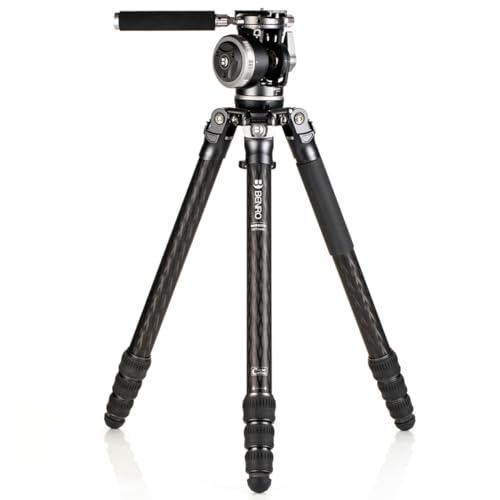
Benro Mammoth 4-Section Carbon Fiber…
[Heavy-Duty Payload – Telephoto Ready] Supports rig loads up to approximately 33 lb (15 kg), making it ideal for large telephoto lenses, full frame DSLRs or hybrid video setups in…

Amazon Basics 50-inch Lightweight Portable…
Camera mount tripod stand with zippered storage bag Adjustable height from 16.1inch to 50inch with 3-section,lever-lock legs for simple adjustments Folds down quickly and made of lightweight aluminum; It weighs…
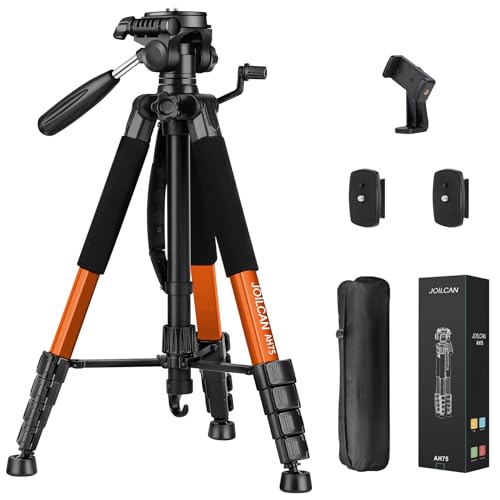
JOILCAN Tripod Camera Tripods, 74″…
【Lightweight & Easy to Adjust】Upgraded trapezoidal flap lock tripod adjusted from 19.5″ and 74″ to meet different height needs for variety shooting environments and photography. 18″ compact size and 3.15…
Benro Mammoth + WH15 Wildlife Kit

The Benro Mammoth with WH15 is a purpose-built wildlife kit. The legs use a 75 mm bowl, so leveling is fast on uneven ground. The WH15 fluid head gives buttery pan and tilt with an 8-stop counterbalance for long lenses. Together, they create a system that feels planted, precise, and ready for action.
In the field, this setup shines with 500mm to 800mm glass. The dual-pan function lets you keep the horizon steady while tracking subjects. Carbon fiber legs cut vibrations and weight, yet stay solid in wind. If you need the best wildlife photography tripod for serious work, this kit earns trust.
Pros:
- 75 mm bowl for quick, accurate leveling on rough terrain
- WH15 head with 8-stop counterbalance for long lens balance
- Dual-pan function for smooth tracking and horizon control
- Stiff carbon fiber legs reduce vibration in wind
- Field-ready build with robust locks and wide stance
- Excellent for 600mm and heavier telephoto lenses
Cons:
- Pricey for beginners
- Heavier than minimalist travel tripods
- Fluid head is bulkier than a compact gimbal
My Recommendation
This is for dedicated wildlife shooters using 500–800mm lenses. If you work in hides, blinds, or open plains, the fast leveling and counterbalance will save shots. The smooth pan is ideal for birds in flight and running mammals. For many pros, this is the best wildlife photography tripod when stability and control matter most.
| Best for | Why |
|---|---|
| 600–800mm primes | 8-stop counterbalance keeps heavy glass neutral |
| Windy plains and open beaches | Stiff carbon legs and wide bowl platform |
| Smooth wildlife panning | Fluid head with dual-pan control |
Amazon Basics 50-inch Lightweight Tripod

This 50-inch tripod is a basic, lightweight option for casual wildlife outings. It is easy to carry, simple to use, and quick to set up. The included bag adds portable convenience for travel or park walks. It fits small cameras and phones (with an adapter), which helps beginners get steady shots.
It is not meant for big DSLRs or long lenses. Think compact cameras, lightweight mirrorless bodies with short lenses, or a phone. If you need a budget stand to start birding photos from a trail, it does the job. Pair it with short lenses and low wind for best results.
Pros:
- Very light and easy to carry
- Simple levers for fast setup
- Includes a carrying bag
- Good for phones and small cameras
- Budget-friendly entry point
Cons:
- Not stable for long telephoto lenses
- Plastic head limits durability
- Short max height at 50 inches
My Recommendation
Pick this if you are new and shoot with a phone or compact camera. It helps you learn framing, timing, and patience without spending much. It is not the best wildlife photography tripod for heavy gear, but it is a fine starter. Use it in good weather and with lighter kits.
| Best for | Why |
|---|---|
| Phone birding on a budget | Stable enough for small devices |
| Kids and beginners | Simple levers and low weight |
| Travel light trips | Bag included and compact size |
JOILCAN 74-inch Heavy-Duty Tripod
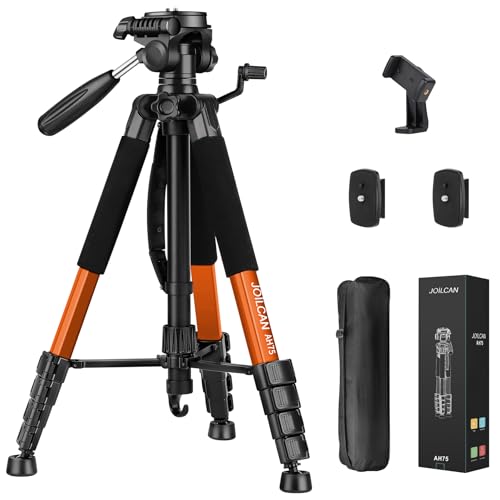
The JOILCAN 74-inch tripod gives you height and reach at a sensible price. It supports up to 15 pounds, which covers many camera and telephoto zoom combos. The extra height helps tall shooters and gives more flexibility on uneven ground. It is a solid pick for hobby wildlife and travel photography.
It is not carbon fiber, so it weighs more than premium options. The head suits general use, but a gimbal is better for fast action. Still, for the money, this is a strong, tall platform. If you need a capable stand for a 100–400mm zoom, this is worth a look.
Pros:
- Tall 74-inch reach for comfortable eye-level shooting
- 15 lb load rating fits many DSLR and mirrorless kits
- Good value for a heavy-duty design
- Stable enough for moderate telephoto work
- Useful for travel and local wildlife spots
Cons:
- Heavier than carbon fiber options
- Stock head is not a true gimbal
- Not ideal for very large primes
My Recommendation
Choose this if you want height and strength on a budget. It matches well with 70–300mm and 100–400mm zooms for birds and mammals. Add a gimbal later if you pursue faster subjects. For many, it can be the best wildlife photography tripod under a modest budget.
| Best for | Why |
|---|---|
| Tall shooters | 74-inch maximum height |
| 100–400mm zooms | 15 lb load rating |
| Budget long-lens work | Strong value and solid build |
Gosky 20-60×85 Scope + Full-Size Tripod

This kit is aimed at birders and wildlife spotters who also want photos. The 85mm scope brings distant subjects close with a bright, clear view. The included full-size tripod holds the scope steady for observation. The phone adapter adds digiscoping fun for sharing clips and stills.
It is not a camera-first solution, but it does a lot right for the price. The tripod works best with the scope rather than heavy camera rigs. For roadside owls, raptors, and waterfowl, this setup is enjoyable and effective. It is a gateway into wildlife imaging that can lead you to a dedicated photo tripod later.
Pros:
- Complete scope and tripod kit for wildlife viewing
- 85mm objective delivers bright, detailed views
- Phone adapter enables easy digiscoping
- Full-size tripod for stable observing sessions
- Great value for birders and nature enthusiasts
Cons:
- Tripod is basic compared to photo-specific models
- Not ideal for heavy camera bodies and long lenses
- Bulkier to carry than a compact photo tripod
My Recommendation
Get this if your priority is watching and filming wildlife through a scope. It is a smart entry to digiscoping and long-range observing. For camera work, step up later to a dedicated pod and gimbal. Until then, this kit can serve as your best wildlife photography tripod for viewing and sharing.
| Best for | Why |
|---|---|
| Birdwatching from a distance | 20–60x zoom with an 85mm objective |
| Digiscoping with a phone | Adapter included for quick clips |
| Roadside and hide setups | Full-size tripod keeps scope steady |
K&F Concept 76-inch Travel Tripod
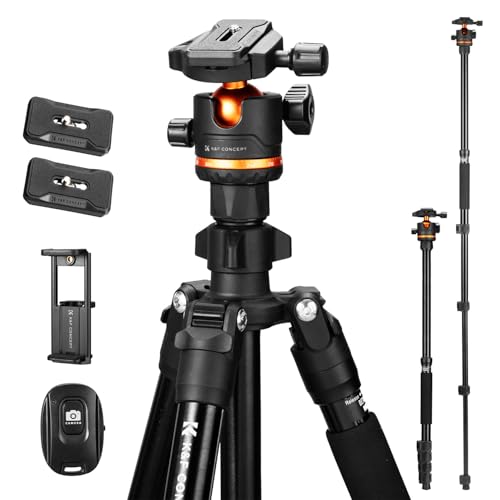
This K&F Concept tripod balances tall reach and travel-friendly design. The 360° ball head is quick to adjust and locks firmly. It supports up to 17.6 pounds, which covers many DSLR and mirrorless kits. The included phone holder is handy for quick social posts or scouting shots.
It also converts to a monopod, which helps when you need to move fast. The ball head is not a gimbal, so tracking birds is less fluid. Still, the height and load rating make it a strong pick for mixed use. For travel wildlife and landscape, it is a versatile tool.
Pros:
- 76-inch height works well for tall users
- Ball head offers fast, precise framing
- 17.6 lb max load suits many camera kits
- Detachable monopod adds mobility
- Phone holder included for quick sharing
Cons:
- Ball head is not ideal for fast wildlife tracking
- Less rigid than high-end carbon setups
- Monopod mode reduces stability in wind
My Recommendation
Pick this if you split time between wildlife, travel, and landscape. It is tall, flexible, and strong enough for a 100–500mm style lens. Add a gimbal later if you chase birds in flight more often. For many travelers, this can be the best wildlife photography tripod that still packs light.
| Best for | Why |
|---|---|
| Hybrid shooters | Ball head for rapid reframing |
| Travel and hiking | Detachable monopod and compact design |
| Medium telephoto zooms | 17.6 lb rating covers common kits |
Leofoto LS-365CX + PG-1 Camo Tripod Set

This Leofoto set pairs a pro-level carbon tripod with the PG-1 gimbal. The camo finish is practical in blinds and hides. The legs are tall and rigid, with a center-column-free design for maximum stability. The PG-1 gimbal tracks birds and mammals with minimal effort and smooth balance.
If you shoot long primes, this system feels like home. Setup is fast, and operation is quiet. The stiffness-to-weight ratio is excellent, so it hikes better than many heavy-duty kits. For demanding wildlife action, this is a top-tier choice that rivals the best wildlife photography tripod setups on the market.
Pros:
- Carbon fiber legs with excellent rigidity
- PG-1 gimbal shines for fast subject tracking
- No center column for maximum stability
- Camo finish helps in blinds and natural settings
- Strong load capacity for big telephotos
Cons:
- Premium price point
- No center column means less height flexibility
- Camo finish may show wear over time
My Recommendation
This is built for serious wildlife shooters who live with long glass. If you pursue raptors, big cats, or shorebirds, the gimbal and stiff legs deliver keepers. It is a true pro combo that belongs in any discussion of the best wildlife photography tripod. If you want reliable tracking and low-vibration support, it excels.
| Best for | Why |
|---|---|
| Birds in flight | Gimbal provides frictionless tracking |
| Long primes | High stiffness and load handling |
| Hide and blind work | Camo and quiet operation |
Benro GH5C Carbon Fiber Gimbal Head

The GH5C is a carbon fiber gimbal for long lens control. It supports up to 66 pounds, so it handles big primes with ease. The Arca-Swiss clamp fits common plates and lens feet. Pan and tilt are smooth, controlled, and adjustable for different lens weights.
Pair it with stiff carbon legs for best results. It keeps your rig balanced, so you can track subjects with one finger. For wildlife, a good gimbal is as important as the tripod itself. This head completes the equation for the best wildlife photography tripod setup.
Pros:
- Lightweight carbon build with a 66 lb rating
- Arca-Swiss compatibility for quick changes
- Silky pan and tilt for smooth tracking
- Great with 150–600mm and big primes
- Balances heavy glass to reduce fatigue
Cons:
- Head only; tripod legs sold separately
- Costs more than entry-level gimbals
- Requires proper plate setup for best balance
My Recommendation
If you already have sturdy legs, this is a prime gimbal upgrade. It makes heavy lenses feel light and easy to guide. For fast action, it transforms your keeper rate. Many photographers consider a GH5C or similar gimbal essential for the best wildlife photography tripod systems.
| Best for | Why |
|---|---|
| Upgrading existing legs | 66 lb capacity with light weight |
| 150–600mm zooms | Balances well for fluid tracking |
| Birds and fast mammals | Smooth, controlled pan and tilt |
FreeSea 102-inch Aluminum Light Stand

This is a light stand, not a camera tripod, but it can help wildlife work. Use it to hold a speedlight or LED near feeders, trails, or blinds. At 102 inches, it gets lights high to shape scenes. The aluminum build and carrying bag make it practical in the field.
It uses a standard spigot mount for lights and modifiers. Do not mount heavy cameras on it. For night sets or backlight effects, it shines. As part of a full kit, it supports the creative side of the best wildlife photography tripod setup.
Pros:
- Very tall reach at 102 inches
- Great for off-camera lighting
- Portable with included bag
- Simple, reliable adjustments
- Useful for reflectors and small softboxes
Cons:
- Not designed for cameras
- Less stable outdoors in strong wind
- Spigot mount limits accessories
My Recommendation
Grab this if you light scenes for wildlife portraits or night sets. It complements your main tripod by holding lights where you need them. Use sandbags in wind. It is not the best wildlife photography tripod, but it is a smart add-on that expands your options.
| Best for | Why |
|---|---|
| Night wildlife sets | Positions lights and modifiers |
| Backlighting and rim light | Height and reach shape the scene |
| Feeder setups | Holds flashes discretely |
Ulanzi TB12 61-inch Camera Monopod

This aluminum monopod is about speed and mobility. It rises to 61 inches and collapses small for travel. With five sections, it adjusts quickly for changing terrain. It fits common cameras from Canon, Nikon, and Sony.
Monopods do not replace tripods, but they shine when you must move fast. Safaris, hikes, and stadiums are perfect matches. Use it with a tilt head for more control. For active days, it partners well with the best wildlife photography tripod you keep in the car.
Pros:
- Light and compact for travel
- Quick height changes with five sections
- Sturdy enough for mid-weight kits
- Comfortable grip and strap
- Great in tight spaces
Cons:
- Not hands-free like a tripod
- Less stable for long exposures
- Needs practice for best results
My Recommendation
Use this when subjects move and you need to move too. It stabilizes your shots without slowing you down. For hikes and safari vans, it is a winner. It is not the best wildlife photography tripod, but it is the best sidekick for action and travel.
| Best for | Why |
|---|---|
| Safaris and hikes | Lightweight and fast to deploy |
| Action wildlife | Mobility with support |
| Crowded hides | Small footprint in tight spaces |
Victiv 78-inch Aluminum Tripod/Monopod

The Victiv 78-inch tripod offers big height and versatility at a budget price. It doubles as a monopod for days when you need to move. It supports cameras, spotting scopes, and binoculars. For video recording and travel, it covers a lot of ground.
It is aluminum, so expect a bit more weight than carbon. The head is fine for general use, but a gimbal is better for long lens wildlife. Still, for the cost, it brings solid stability and reach. It is a smart choice if you want a do-it-all support system.
Pros:
- Very tall at 78 inches
- Converts to a monopod for flexibility
- Works with cameras and scopes
- Good value for the features
- Stable enough for moderate telephotos
Cons:
- Heavier than carbon tripods
- Stock head is not ideal for fast tracking
- Vibrations can linger with very long lenses
My Recommendation
If you want height and flexibility without a big spend, start here. It supports varied wildlife work from birds to deer. Upgrade the head as your skills grow. For many, it becomes the best wildlife photography tripod at this price for mixed photo and scope use.
| Best for | Why |
|---|---|
| Budget long-lens work | 78-inch reach and solid build |
| Scopes and binoculars | Versatile platform |
| Travel by car | Affordable and adaptable |
FAQs Of best wildlife photography tripod
What makes a tripod good for wildlife?
Stiff carbon legs, high load capacity, and a smooth head. Fast leveling helps on uneven ground. A gimbal head is best for tracking.
Do I need a gimbal head for wildlife?
It helps a lot with long lenses. A gimbal balances your gear and lets you pan smoothly with minimal effort.
How tall should my wildlife tripod be?
Eye-level without a center column is ideal. Tall tripods (70 inches or more) help on slopes and for tall shooters.
Is carbon fiber worth it?
Yes for long lenses. Carbon fiber dampens vibration and cuts weight, making field work easier and sharper.
Can a travel tripod handle wildlife?
For short to mid telephotos, yes. For big primes, use stiffer legs and a gimbal for best results.
Final Verdict: Which Should You Buy?
For pro-grade stability and smooth tracking, pick the Leofoto LS-365CX + PG-1 or the Benro Mammoth + WH15. Both feel like the best wildlife photography tripod for long lenses and fast action.
On a budget, the JOILCAN and Victiv tripods deliver strong height and value. Add a Benro GH5C gimbal later to unlock true wildlife performance.

