
For most shooters, the best wildlife photography backpack balances protection, access, and comfort.
Dawn breaks. You shoulder a long lens, hike over wet grass, and hear the call of a distant bird. You need a pack that keeps gear safe from rain and bumps, lets you grab a camera fast, and spreads weight so your back does not pay later. I have tested packs in mud, desert dust, and cold marsh wind. Below are picks that deliver in the field when seconds count.
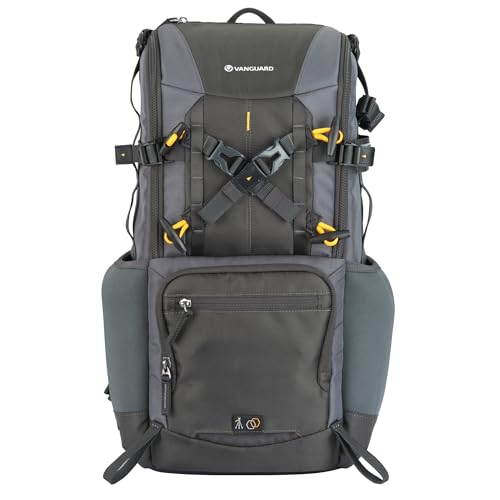
VANGUARD Alta Sky 42 Camera…
Full rear opening, and can be set up for fast top access. Carries a 12.9″ tablet. Full-sized tripod carrying system No fumbling with bright-colored interior that makes finding things easy…

MOSISO Camera Backpack, DSLR/SLR/Mirrorless Photography…
Dimension:17.32 x 11.8 x 7.5 inch. 2 compartments included. Padded removable modular inserts in the upper one (16.54 x 11.42 x 5.5 inch) is customized dividers for different cameras, flashes,…

K&F CONCEPT Camera Backpack,Hardshell Photography…
【Hardshell Camera Bag】Extenal Size:17.3 x 11 x 7 inches.Capacity:22L This multi-functional hard shell camera backpack is designed for different brands of DSLR/SLR/Mirrorless cameras. The removable modular inserts as customized dividers…
Vanguard Alta Sky 42 Camera Backpack

The Vanguard Alta Sky 42 feels purpose-built for wildlife. It balances load on your hips and shoulders with a wide, breathable harness and a firm hip belt. Side and rear access give fast reach to a body with a mounted telephoto. The shell is tough, and the stitching inspires confidence on rough trails.
I like the internal layout for long glass. Dividers hold a 100-400mm or even a 150-600mm class lens with a pro body. The tripod holder is centered, so the weight stays stable on uneven ground. The pack sits upright on dirt and sand without tipping, which saves time and stress when birds are moving.
Pros:
- Comfortable harness with real load transfer to hips
- Fast side and rear access for quick lens changes
- Stable tripod carry in the center
- Stands upright, easy to load and unload
- Room for long telephoto and second body
- Quality zippers and reinforced seams
Cons:
- Heavier than minimalist packs
- High back length may feel tall for short torsos
- Premium price for the build
My Recommendation
If you chase birds or mammals at dawn and dusk, this is a top pick. It shines when you carry a big zoom, a backup body, and a tripod for hides. If you want the best wildlife photography backpack for comfort and access, start here. The Alta Sky 42 handles long days without hot spots and keeps your kit safe and ready.
| Best for | Why |
|---|---|
| Long lens carry | Deep, secure main bay fits 150-600mm class glass |
| All-day hikes | Supportive harness, firm hip belt, even weight |
| Fast access | Side and rear doors speed up gear swaps |
MOSISO Hardshell Camera Backpack (15-16 in)
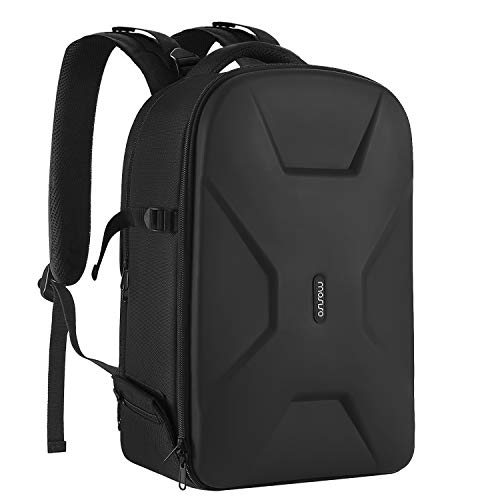
The MOSISO Hardshell Backpack offers good protection on a budget. The rigid front panel resists bumps when you brush past branches or toss the bag in the truck. Internal dividers are simple to set, and the laptop sleeve holds up to a 16-inch device. I find the outer fabric sheds light rain and dew well.
The tripod holder is handy for light sticks or a travel monopod. The pack fits a mirrorless setup with a 100-400mm and a second small lens. It is not a large-capacity hauler, but it keeps essentials tight and tidy. For a starter wildlife kit, it makes a clean, affordable base.
Pros:
- Rigid hardshell front protects gear from bumps
- Affordable for new wildlife shooters
- Fits a 15-16 inch laptop
- Tripod holder for light sticks
- Clean interior with easy dividers
- Compact size, easy to carry
Cons:
- Limited room for big telephoto primes
- Harness is basic for long hikes
- No dedicated rain cover pocket
My Recommendation
Pick this if you are starting wildlife work and want a hard front for bumps. It suits mirrorless kits with mid-range zooms and a slim laptop. If you want the best wildlife photography backpack on a tight budget, this is a smart entry. Add a separate rain cover if you shoot in heavy storms.
| Best for | Why |
|---|---|
| Budget protection | Hardshell front plate absorbs knocks |
| Mirrorless kits | Fits body, 2-3 lenses, 16-inch laptop |
| Light travel | Compact footprint, simple layout |
K&F Concept Hardshell Camera Backpack 15.6 in

This K&F Concept pack blends a firm hardshell front with a soft, padded back. The 15.6-inch laptop bay is snug and protected from flex. I like the internal height for a long zoom and the side pockets for bottles or a compact tripod. The shell shrugs off scuffs from brush and grit.
It also works well for hybrid shooters who fly drones for wildlife surveys. The dividers accept a small drone in place of a second lens set. The harness is more supportive than a basic commuter bag. For the price, the balance of polish and strength is solid.
Pros:
- Hardshell impact resistance on the front
- Room for long zooms and drone kits
- 15.6-inch laptop sleeve with padding
- Side pockets for tripod and water
- Clean, modern styling in the field
- Good price-to-build ratio
Cons:
- Not built for very heavy loads
- Side access can feel narrow with big lenses
- Chest strap adjusters are modest
My Recommendation
Choose this if your wildlife kit mixes long zooms with a compact drone. The pack protects gear from knocks and stays tidy on the move. If you need the best wildlife photography backpack for mixed tasks, this one hits a sweet spot. It is a workhorse for weekend and travel use.
| Best for | Why |
|---|---|
| Hybrid photo + drone | Dividers adapt to drone or lenses |
| Rough brush | Hardshell front resists scrapes |
| Travel days | Slim profile, laptop protection |
SDYSM Pro Camera Backpack 15.6 in

The SDYSM Pro Backpack is a large-capacity option with smart touches. It includes a rain cover for storm days and an anti-theft pocket for small items. The main bay swallows a long zoom and a body with a grip. I like the quick side zip for a fast draw.
The harness is firm with a decent hip belt, which matters when you load big glass. Tripod straps are strong and secure, and the base fabric wipes clean after mud. Interior organization is flexible and simple to rework between trips. For bigger kits, it delivers value and space.
Pros:
- Large capacity for long lenses and extra body
- Rain cover included for storms
- Anti-theft pocket for passport or wallet
- Firm hip belt for better weight control
- Quick side access for fast shots
- Sturdy tripod carry system
Cons:
- Bulkier than city-friendly packs
- Not the lightest option when empty
- Chest strap could use more padding
My Recommendation
Pick this if you carry serious wildlife gear and want space to grow. It handles long hikes better than most budget large packs. If you need the best wildlife photography backpack for big kits at a fair price, it is a winner. The included rain cover adds peace of mind in wet seasons.
| Best for | Why |
|---|---|
| Large wildlife kits | Holds long telephotos and extra bodies |
| Rainy climates | Comes with a fitted rain cover |
| Travel security | Anti-theft pocket protects small valuables |
K&F Concept Hard Shell Camera Backpack 15.6 in
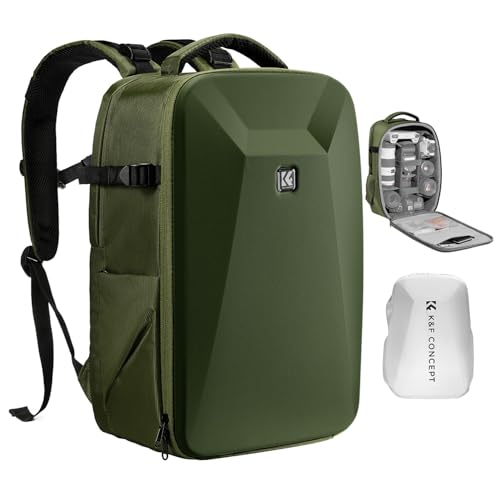
This K&F variant leans into protection and clean styling. The hard front plate reduces flex and shields from knocks, while the interior holds a telephoto zoom and a standard body. I like the top pocket for filters and the side slot for a travel tripod. It looks sharp but works hard on trail days.
The back panel breathes well, which is key in warm months. The laptop sleeve is padded and off the ground, a detail that saves screens. For wildlife day trips, it carries the needs without extra bulk. It is a simple, safe choice for most kits.
Pros:
- Strong hard shell protection
- Breathable back panel for heat
- Off-ground laptop sleeve
- Good organization for filters and cards
- Tripod side slot with strap
- Clean, low-key look in public
Cons:
- Not ideal for super tele primes
- Hip belt is minimal
- Limited expansion options
My Recommendation
Choose it if you value protection and a neat look. It fits a mirrorless wildlife kit and a slim 15.6-inch laptop well. If you want the best wildlife photography backpack for day trips and light hikes, this is safe and simple. It keeps the focus on shooting, not packing.
| Best for | Why |
|---|---|
| Day hikes | Compact and breathable design |
| Urban travel | Low-profile look avoids attention |
| Lens protection | Hard shell resists impacts |
National Geographic Photo Basics (Book)

This guide covers core camera skills that help on wildlife shoots. It explains exposure, focus, and composition in clear, simple terms. New shooters can learn fast, then apply ideas in the field. I like the visual tips that show before and after results.
Reading this book helps you pack smarter too. You will learn what lenses you use most, which shapes your choice of the best wildlife photography backpack. Better planning means less weight and more speed on a trail. It is a small purchase that pays off in the field.
Pros:
- Clear, simple teaching style
- Useful for beginners and refreshers
- Visual examples that stick
- Helps plan real-world gear needs
- Pairs well with practice assignments
Cons:
- Not focused only on wildlife
- Advanced users may want deeper dives
My Recommendation
If you are new to wildlife or switching to mirrorless, read this. It will sharpen your shots and pack choices. If you want the best wildlife photography backpack for your needs, learn what you need most first. This book helps you decide what to carry and what to leave.
| Best for | Why |
|---|---|
| Beginners | Step-by-step basics that build fast skills |
| Gear planning | Guides what you truly need in the field |
| Visual learners | Clear images and examples cement concepts |
Photography Birds: Field Techniques (Book)

This book dives into bird behavior and field craft. It covers approach, light, and settings for birds in flight and on perches. The author’s tips on background control and timing are gold. I have used similar methods to raise my keeper rate with fast flyers.
It also informs what to pack. You will learn when a bean bag beats a tripod or when a monopod saves a shot. That helps you pick the best wildlife photography backpack and the right support to fit it. Knowledge of species and timing makes gear choices smarter.
Pros:
- Strong focus on bird-specific techniques
- Action settings that actually work
- Great advice on field approach
- Gear tips grounded in real use
- Improves keeper rate and planning
Cons:
- Focused on birds, not all wildlife
- Some steps assume intermediate skill
My Recommendation
Bird shooters should read this cover to cover. It makes you faster, quieter, and better with light. If you want the best wildlife photography backpack for birds, this book helps you plan the right load. It saves your back and lifts your results at once.
| Best for | Why |
|---|---|
| Bird-in-flight work | Clear, tested settings and drills |
| Field craft | Approach and timing improve access |
| Gear trimming | Shows what to carry and what not to |
TARION 15L Camera Backpack with Laptop Slot

The TARION 15L is a compact, field-ready bag with side access. It includes a rain cover and a 15.6-inch laptop sleeve. I like the split for personal items on top and camera gear below. The side door gives a fast grab for your wildlife body when the action pops.
The 15L size favors a lean kit: one body, a 100-400mm, and a small prime. It carries tight, which helps on climbs or when crawling for low shots. The straps are comfortable for the weight class. For travel and short hikes, it is a tidy tool.
Pros:
- Side access speeds shooting
- Compact 15L size for light kits
- Rain cover for storms
- Top compartment for snacks and layers
- Good value, solid materials
Cons:
- Limited room for large telephotos
- Hip belt is simple
- Not ideal for multi-day hauls
My Recommendation
Use this if you like to move fast and light. It keeps the core wildlife kit ready and stops overpacking. If you want the best wildlife photography backpack for travel days, this is a sleek option. The rain cover and side door make it quick and safe in the field.
| Best for | Why |
|---|---|
| Light wildlife kits | 15L forces a tight, efficient setup |
| Quick draws | Side access with secure zipper |
| Travel carry | Compact size fits overhead bins |
K&F Concept Waterproof Hardshell Camera Pack
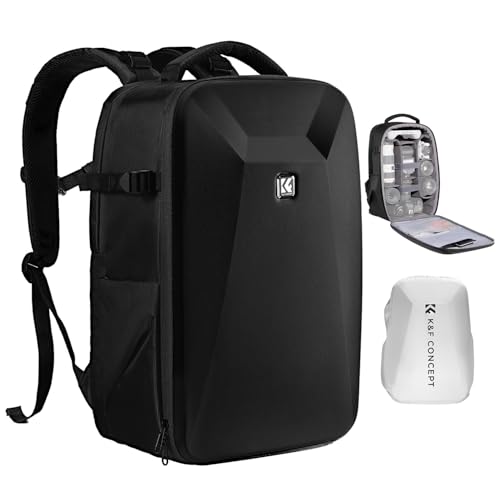
This K&F model adds stronger water resistance to its hardshell build. The outer skin beads rain well, and the seams are tight and clean. Inside, I fit a tele zoom, body, and a compact wide. The pocket layout helps keep cards, batteries, and a headlamp sorted.
The carry feels balanced with a mid-weight load. The tripod straps are firm, and the base is easy to wipe after sand or mud. For wet climates or dawn dew, this pack brings welcome protection. It is a quiet, steady companion on wildlife walks.
Pros:
- Water-resistant hardshell exterior
- Solid organization for small items
- Balanced carry for mid-sized kits
- Easy-clean base fabric
- Secure tripod strap system
Cons:
- Not a high-capacity hauler
- Hip belt is basic for heavy loads
- Side opening could be wider
My Recommendation
Pick this if you shoot in damp grass or light rain. It protects your main wildlife kit and handles day hikes well. If you are hunting for the best wildlife photography backpack for wet mornings, this one stands out. It keeps gear dry and ready without bulk.
| Best for | Why |
|---|---|
| Wet climates | Water-shedding shell and tight seams |
| Mid-size kits | Fits tele zoom, body, and essentials |
| Trail use | Comfortable with balanced load |
RAINSMORE Camera Backpack 15.6 in with Rain Cover

The RAINSMORE Backpack is a value pick that brings useful features. It includes a rain cover, a 15.6-inch laptop bay, and a tripod holder. The main bay is roomy for a long zoom and a mid-range lens. The anti-theft pocket and hidden zips add peace of mind in busy areas.
I like the padding on the back and straps for medium loads. It rides well on flat ground and light hills. The materials feel tougher than the price suggests. It is a good choice for a first serious wildlife setup.
Pros:
- Rain cover included for downpours
- Ample space for wildlife zooms
- Hidden pockets for security
- Decent padding for comfort
- Good value for features
Cons:
- Not built for very heavy gear
- Tripod straps suit lighter sticks
- Bulkier than some city bags
My Recommendation
If you want a capable starter bag with wet-weather coverage, this fits well. It holds a real wildlife kit and keeps it safe in rain. If you want the best wildlife photography backpack at a value price, put this on your shortlist. It delivers security and comfort without a big spend.
| Best for | Why |
|---|---|
| New wildlife shooters | Good features at a fair price |
| Rainy trips | Includes a functional rain cover |
| Everyday carry | Comfortable for medium loads |
VANGUARD Alta Sky 42: Field Notes and Fit Tips
If you want one bag to do it all, the Alta Sky 42 remains a top tool. The adjustable harness lets you dial in torso length fast. That matters when you carry 20+ pounds of glass, bodies, and a solid tripod. The back panel channels heat well in warm weather.
Side access is fast and safe. The flap opens just enough to grab a camera without spilling other gear. The shell handles rain with a cover and shrugs off scratches. For pro or serious hobby use, it stands out as the best wildlife photography backpack for comfort and speed.
Pros:
- Adjustable harness for better fit
- Fast, safe side access
- Good heat control on the back
- Durable materials and hardware
- Balanced center tripod carry
Cons:
- Weight is higher than minimal packs
- Not cheap, but you feel the quality
My Recommendation
For long hours and long glass, this is a proven pick. It reduces fatigue and keeps your rig secure in rough terrain. If you want the best wildlife photography backpack to grow with your skills, this is a safe bet. It is built to last through seasons of hard use.
| Best for | Why |
|---|---|
| Pros and serious hobbyists | Comfort and access with quality build |
| Heavy glass | Harness handles weight well |
| Long outings | Heat channels reduce sweat and friction |
VANGUARD and K&F: How to Choose Between Them
Vanguard emphasizes fit, access, and long-day comfort. K&F Concept focuses on impact resistance and sleek, water-shedding shells. If you carry heavy gear far, Vanguard is strong. If you want a tidy, protective case for day shoots, K&F is compelling.
I suggest trying on a loaded pack at home. Walk stairs, cinch the belts, and note pressure points. If you feel stable and quick, you found your match. That test helps you lock in the best wildlife photography backpack for your body and kit.
Pros:
- Vanguard: elite comfort for heavy loads
- K&F: strong hardshell protection
- Both: smart layouts for wildlife kits
- Good value tiers across budgets
- Tripod carry options on each
Cons:
- Vanguard: pricier and heavier
- K&F: less comfy for very heavy loads
My Recommendation
Choose Vanguard for long hikes and big lenses. Choose K&F for day trips, impact resistance, and wet grass at dawn. If you want the best wildlife photography backpack for your use, match the pack to your lens size and hike length. Fit always wins when the miles add up.
| Best for | Why |
|---|---|
| Heavy kits | Vanguard’s harness moves weight to hips |
| Urban to trail | K&F’s hardshell blends in and protects |
| Wet mornings | K&F waterproof options resist dew and light rain |
FAQs Of best wildlife photography backpack
How big should my backpack be for wildlife gear?
Most shooters do well with 20–30 liters for a body, long zoom, and extras. If you carry a super tele or two bodies, 30–40 liters works better.
What features matter most for wildlife packs?
Comfortable harness, hip belt, fast side access, tripod carry, and weather protection. A stable base and strong zippers also help.
Can I carry a 150–600mm zoom in these packs?
Yes. Choose a bag with a deep main bay and supportive harness. Vanguard Alta Sky 42 and larger SDYSM fit such lenses well.
Should I pick a hardshell or soft pack?
Hardshell protects from bumps. Soft packs can be lighter and comfier for heavy loads. Match the style to your gear and terrain.
Do I need a rain cover if the fabric is water-resistant?
Yes for heavy rain. Water-resistant fabric helps, but a fitted cover keeps zips and seams dry in storms.
Final Verdict: Which Should You Buy?
The Vanguard Alta Sky 42 is the best wildlife photography backpack for long hikes and heavy glass. It balances weight, speeds access, and protects gear in rough terrain.
For budget builds, MOSISO and RAINSMORE offer smart protection and rain-ready features. If you want a sleek, impact-resistant day pack, K&F Concept is a strong pick.

