Use fast shutter, continuous AF, burst mode, and steady panning for sharp bird flight photos.
I’ve shot birds in flight for years. I will show clear steps on how to shoot birds in flight photography. I mix field-tested gear tips, camera settings, and tracking methods. Read on to learn practical tricks I use to get sharp, expressive flight photos.
Gear: Choosing the right kit
Pick a camera with good autofocus and burst speed. A DSLR or mirrorless body with 8+ fps helps. Lenses matter. A 300mm to 600mm telephoto is ideal for many birds. A 70-200mm with a 1.4x or 2x extender works for closer birds. Use a monopod if you need support, but learn to hand-hold too.
My main kit: a mid-frame mirrorless, 400mm lens, and a monopod. That combo helped me capture herons and terns with ease. When you learn how to shoot birds in flight photography, you’ll find gear that fits your style and budget.

Camera settings that work
Shutter speed is king. Start at 1/2000s for small fast birds. Use 1/1000s for larger birds like geese. Set aperture wide to keep ISO low and blur the background. Use continuous autofocus (AF-C) and a wide AF area. Turn on high-speed burst mode.
Suggested quick setup:
- Mode: Shutter priority or manual with fixed shutter speed.
- Shutter: 1/1000s to 1/3200s depending on species.
- Aperture: f/4 to f/8 for depth and sharpness.
- ISO: Auto ISO with a cap to avoid noise.
- Drive: High-speed continuous.
- AF: Continuous (AF-C) and back-button focus if you prefer.
I often use ISO auto with a 3200 cap. That keeps exposure steady while I chase birds. These settings form the foundation of how to shoot birds in flight photography.

Focusing and tracking techniques
Learn to track before you shoot. Practice following a bird smoothly with your camera. Use back-button focus for more control. Start focus before the bird enters your frame. Recompose if needed while keeping the AF engaged.
Try these focus tips:
- Use continuous AF with dynamic or expanded AF zones.
- Prefocus along a flight path to reduce lag.
- Track through the bird’s body, not through the wings.
- Release the shutter in bursts to capture peak moments.
I used to fire single frames and miss many shots. Once I switched to burst and tracking, my keeper rate rose. This is central to how to shoot birds in flight photography well.

Panning and body mechanics
Panning is a simple skill that needs practice. Keep your elbows tight. Move your whole upper body, not just the wrist. Match the bird’s speed and direction before you press the shutter. Finish the motion after the shot to avoid jerks.
Practice steps:
- Pick a passing bird and follow it for several seconds.
- Squeeze the shutter gently while moving.
- Review and adjust speed and grip.
Think of panning like following a friend on a walk. Smooth and steady motion wins. Panning is essential for how to shoot birds in flight photography and get motion-free wings.
Composition, background, and light
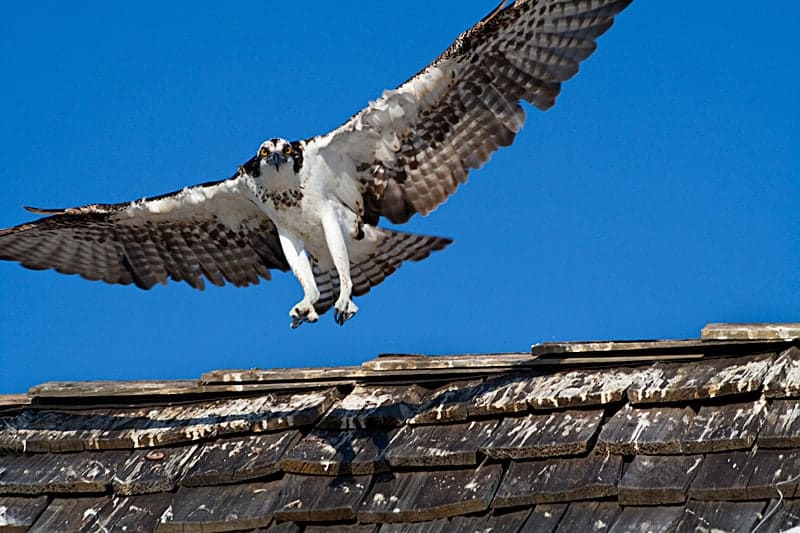
Use simple backgrounds to make birds pop. Look for sky, water, or distant trees. Place the bird using the rule of thirds. Leave space in front of the bird for direction. Shoot with the sun over your shoulder for even light, or try backlight for rim light and drama.
Composition tips:
- Aim for clean backgrounds to avoid distractions.
- Use fast shutter to freeze wings or slower shutter to show motion.
- Position the bird off-center for dynamic frames.
Good light and clean backgrounds lift a photo from nice to striking. These choices shape how to shoot birds in flight photography that stands out.

Best times and locations
Early morning and late afternoon give soft light and active birds. Tides, migration seasons, and local feeding times matter. Scout spots: wetlands, shorelines, cliffs, and bird feeders. Learn local flight paths to predict movement.
I track a lake path where ducks fly daily to an island. Knowing that path gave me reliable shooting chances. Planning where to be is a big part of how to shoot birds in flight photography well.

Practice drills and workflow
Practice with simple drills. Start with slower, larger birds. Move to faster, smaller birds as you improve. Keep a shooting log to note settings and results. Review images soon after the shoot to learn quickly.
Routine example:
- Warm-up: follow crows or gulls for 10 minutes.
- Focus drill: practice back-button focus on perched birds.
- Burst drill: hold bursts on a passing bird for tracking practice.
- Review: log good and bad frames and settings.
Consistency and short practice sessions improved my skills faster than long rare trips. Practice is the backbone of how to shoot birds in flight photography.
Common mistakes and how to avoid them
Mistake: too slow shutter. Fix: raise shutter speed.
Mistake: relying on center AF only. Fix: use wider AF zones.
Mistake: overzooming and losing background. Fix: step back when possible.
Mistake: poor timing on shutter release. Fix: use bursts and count wing beats.
Mistake: bad posture causing camera shake. Fix: stabilize with elbows and hips.
When I started, I had shaky hands and missed many frames. Fixing posture and using bursts changed that quickly. Avoiding these mistakes is key to how to shoot birds in flight photography successfully.

Post-processing tips
Crop for better composition but keep enough pixels for detail. Sharpen selectively on the bird, not the sky. Reduce noise from high ISO with gentle noise reduction. Boost contrast and clarity lightly to bring out feathers.
Simple editing flow:
- Crop and straighten.
- Basic exposure and white balance.
- Noise reduction and sharpening.
- Local adjustments to eyes and feathers.
My editing keeps photos natural. Minor adjustments can make flight photos pop without looking fake. Good post work completes how to shoot birds in flight photography.
Safety, ethics, and legal notes
Respect wildlife and habitats. Keep distance and use longer lenses instead of approaching birds. Avoid nest disturbance, especially during breeding season. Follow local laws and protected area rules. Your care keeps birds safe and photography ethical.
I once backed off from a nesting area when a pair showed stress. The birds settled after I moved. Ethics matter as much as skill in how to shoot birds in flight photography.
Frequently Asked Questions of how to shoot birds in flight photography
What shutter speed should I use for birds in flight?
Aim for 1/1000s for medium birds and 1/2000s or faster for small, fast birds. Adjust for light and species speed.
Is a long lens necessary to shoot birds in flight?
Long lenses help but are not required. A 70-200mm can work for close birds; practice and position matter more.
How do I keep birds in focus while they move?
Use continuous AF and wide AF areas. Track the bird smoothly and use burst mode to increase chance of a sharp frame.
Should I use manual or auto exposure?
Use shutter-priority or manual with Auto ISO. This keeps shutter speed steady while the camera manages exposure in changing light.
How do I learn panning?
Practice on common birds like pigeons or gulls. Focus on smooth body motion, match speed, and follow through after each shot.
Conclusion
You can learn how to shoot birds in flight photography with practice, the right kit, and simple habits. Focus on fast shutter speeds, continuous AF, and steady panning. Scout locations, respect wildlife, and review your frames to improve. Start small, practice often, and keep a curious eye. Try these tips on your next outing, share your results, and join a local bird or photo group to grow your skills.