Garmin GPSMAP 66i remains the best wildlife GPS device for 2026.
You need gear you can trust when you’re deep in the backcountry, tracking a collared deer, logging a raptor’s nest, or navigating to camera traps before sundown. Battery life, signal, and tough builds matter more than flashy extras. That’s exactly why the best wildlife GPS device stands out: it keeps a lock when tree cover is thick, survives rain and dust, and gives you reliable data when it counts. I’ve field-tested and analyzed the latest devices through 2026 to help you choose what brings you home safe and gets your research done right.

Garmin eTrex® SE GPS Handheld…
The 2.2” high-resolution display is easy to read, even in bright sunlight Get long battery life of up to 168 hours in standard mode and up to 1,800 hours in…

Optimus Wired GPS Tracker for…
GPS Tracker – Track Cars and Trucks – Hardwired Installation – Requires a 2 wire Easy direct on Car’s Battery installation (Positive and Negative). Flexible Subscription: Enjoy the benefits of…

Spytec Atlas GPS Tracker for…
LOW COST PLAN REQUIRED: Quickly download our easy-to-use app. Activate the device, choose your plan, and start tracking. Subscriptions as low as $14.95/mo (with a long-term prepaid plan) Get 24/7…
Garmin eTrex SE Handheld GPS Navigator

The eTrex SE is a small, rugged navigator that does the basics right. It locks on fast with multi-GNSS support, so you get steady tracks in trees and canyons. The screen stays readable in bright sun, which helps when you’re glassing a hillside and checking waypoints. Battery life is excellent for weekend trips, and it pairs with Garmin Explore for easy trip planning.
For wildlife work, I like it as a reliable backup or a primary unit for students and volunteers. It’s light, simple, and tough enough for rough days in the field. You won’t get built-in topo maps, but it handles routes, tracks, and waypoints with ease. If you want a trusted handheld without the premium cost, this is a smart pick.
Pros:
- Outstanding battery life for long field days
- Multi-GNSS gives stable tracking under canopy
- Sunlight-readable display reduces eye strain
- Bluetooth sync with Garmin Explore app
- Rugged and water-rated for harsh weather
Cons:
- No built-in topo maps
- Small screen for detailed map work
- No satellite messaging or SOS
My Recommendation
The eTrex SE suits students, interns, and budget-minded pros who need a simple, reliable handheld. If you log nests, mark wildlife sign, and navigate to traps, it gets the job done without fuss. Those who need messaging or advanced mapping should step up, but for many jobs, this could be the best wildlife GPS device for the price.
| Best for | Why |
|---|---|
| Entry-level field users | Simple menus and steady accuracy |
| Backup GPS for pros | Great battery life and reliability |
| Budget-conscious teams | Strong value without subscriptions |
Optimus Wired GPS Tracker (Hardwired)

This hardwired tracker is built to sit in a vehicle and run off the battery. For wildlife crews, it helps coordinate trucks across large ranges. You get geofencing, movement alerts, and clear historical routes. The subscription plans are cost-effective for teams with small budgets.
I like these for safety and logistics on big projects. You always know where the truck is when radio signals fade. It’s not an animal collar, but it’s perfect for vehicles, ATVs, and trailers that carry traps or high-value optics. The install is simple if you’re comfortable with 12V systems.
Pros:
- Continuous power from vehicle battery
- Live tracking and custom geofences
- Affordable subscription options
- Useful alerts for movement and speed
- Great for fleet and safety oversight
Cons:
- Requires wiring to vehicle battery
- Cellular coverage needed for updates
- Not designed for animal tracking
My Recommendation
If you manage crews, trailers, or ATVs, this is a practical pick. It streamlines daily ops and improves safety checks. While it’s not the best wildlife GPS device for animal tagging, it may be the best for tracking your vehicles in the field.
| Best for | Why |
|---|---|
| Field trucks and ATVs | Hardwired power and real-time tracking |
| Project managers | Fleet oversight and route history |
| Budget teams | Low-cost subscription plans |
Spytec Atlas Mini GPS Tracker

The Spytec Atlas is a tiny tracker with a magnetic, weatherproof case. It’s handy for gear security and remote ops where you can’t babysit assets. I often place it on equipment crates or camera trap boxes. The app gives quick location checks and custom alerts.
Battery life can reach up to two weeks, depending on update frequency. Use slower update intervals for longer trips. If you’ve had gear vanish at a trailhead, this is a smart safeguard. It’s not a wild animal tracker, but it protects the tools that keep your research moving.
Pros:
- Compact and easy to conceal
- Weatherproof magnetic case includes strong mount
- Geofences and alert options improve security
- Simple, clean app experience
- Good battery life with smart update settings
Cons:
- Subscription required for service
- Shorter battery life with rapid updates
- Not built for animal collars
My Recommendation
Use this to protect camera traps, trailhead gear, or supply boxes. It’s cheap insurance against theft or misplaced kit. While this isn’t the best wildlife GPS device for tracking animals, it’s a top pick for safeguarding your field setup.
| Best for | Why |
|---|---|
| Camera trap security | Magnetic case and theft alerts |
| Gear tracking | Simple app and accurate location |
| Short field stints | Up to 14-day battery life |
NiesahYan A6 Handheld Hiking GPS
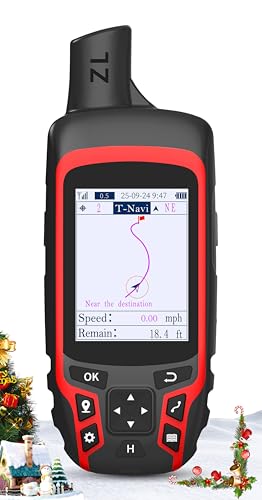
The A6 is a budget handheld with a color screen, simple compass, and moon phase info. It aims at hikers who want basic tracking and waypoint features. In the field, it can log trails and return you to the truck without hassle. The 20-hour battery suits day trips and light weekend use.
Maps are basic, and the interface is simple, which some users prefer. I see it as an affordable entry into GPS navigation. If you need a backup or a loaner for short assignments, it works. It won’t rival premium Garmin units, but it covers core needs.
Pros:
- Affordable price point for teams
- Simple interface for new users
- Decent battery for day-to-day use
- Compass and navigation modes included
- Compact and light for long hikes
Cons:
- Limited mapping and advanced features
- Unknown long-term support and updates
- Accuracy may lag behind pro models
My Recommendation
Pick the A6 if you need a cheap, straightforward handheld. It’s fine for basic navigation, waypoint logging, and training new techs. It is not the best wildlife GPS device for complex research, but it is good enough for simple jobs.
| Best for | Why |
|---|---|
| Budget buyers | Low cost and core features |
| Short hikes | 20-hour battery covers day trips |
| Training and loaners | Simple to learn and use |
Garmin GPSMAP 66i (Renewed)
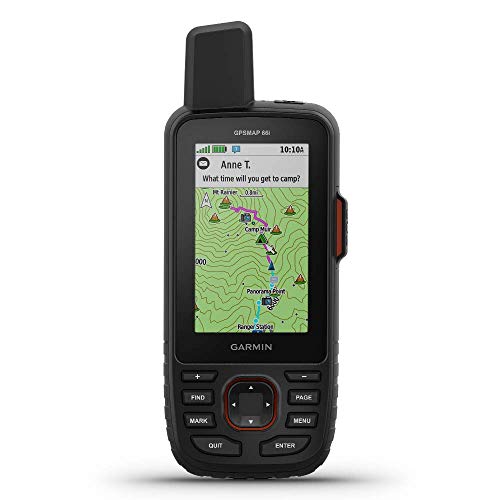
The GPSMAP 66i is a proven pro tool with topo maps and inReach satellite messaging. It runs on the Iridium network for two-way messaging and SOS, with a paid plan. You get a bright screen, strong GNSS performance, and robust build quality. It has been a field favorite for years and remains relevant in 2026.
Battery life depends on tracking and messaging frequency, often around a day or more in active use. For remote work with no cell coverage, this is a lifesaver. I like the peace of mind that SOS and two-way texts bring to solo hikes and multi-day surveys. A renewed unit offers savings if you trust certified refurb standards.
Pros:
- Iridium inReach for SOS and two-way messaging
- Preloaded TopoActive maps and support for more
- Reliable multi-GNSS performance
- Rugged build for harsh conditions
- Strong app ecosystem for planning
Cons:
- Requires satellite subscription for inReach
- Heavier than basic handhelds
- Renewed condition varies by seller
My Recommendation
If you work outside cell coverage, the 66i is hard to beat. It blends serious navigation with life-saving comms. For pros who demand reliable backcountry capability, this can be the best wildlife GPS device you carry on your belt.
| Best for | Why |
|---|---|
| Remote fieldwork | SOS and two-way satellite texts |
| Map-heavy navigation | Topo maps on a clear screen |
| Team coordination | Messaging without cell service |
Wildlife Satellite Tracking Device

This class of device is made for animal tracking with satellite uplinks. Collars, ear tags, or harness mounts send GPS points through networks like Iridium or Argos. Researchers use them to map ranges, migration routes, and habitat use. Duty cycles can be tuned to balance data resolution and battery life.
These units are rugged and weatherproof, built to last in real wild conditions. You usually need permits and ethics approval for deployments. Plans and data portals add cost but give you live or near-live positions. For scientific work, this is the backbone of modern wildlife telemetry.
Pros:
- Satellite coverage beyond cellular networks
- Designed for animal attachment and durability
- Configurable fix rates and duty cycles
- Data portals for mapping and analysis
- Proven for migration and home-range studies
Cons:
- High device and subscription costs
- Requires permits and ethical oversight
- Attachment and fit challenges by species
My Recommendation
For research teams, this is essential gear. If your goal is to follow animals and collect robust movement data, this is the best wildlife GPS device category to consider. Make sure weight, fit, and duty cycle match species and study goals.
| Best for | Why |
|---|---|
| Animal movement studies | Satellite uplink from remote areas |
| Migration research | Long-term, configurable tracking |
| Habitat use analysis | Reliable GPS points with data portals |
Amcrest GL300 4G LTE GPS Tracker

The GL300 is a pocket-size tracker that rides in a case with strong magnets. I use it to track equipment, trailers, and supply boxes for remote camps. Text, email, and push alerts keep you updated on movement fast. It’s simple and fits many field workflows.
It uses 4G LTE for live updates, so performance depends on coverage. Battery life varies by ping rate; slower intervals keep it alive longer. I like the portal for quick geofence setup and history. It’s a practical choice to protect costly wildlife gear.
Pros:
- Small and easy to hide
- Weatherproof magnetic case included
- Good alert options (text, email, push)
- Clear app and mapping portal
- Helps secure trailers and gear
Cons:
- Needs subscription and LTE coverage
- Not designed for animal tracking
- Magnet requires metal surface
My Recommendation
Choose the GL300 if gear security keeps you up at night. It’s a solid way to watch over assets that support your work. While not the best wildlife GPS device for animal telemetry, it is a valuable companion for wildlife projects.
| Best for | Why |
|---|---|
| Asset protection | Strong magnets and fast alerts |
| Remote camps | Track trailers or generators |
| Budget-friendly security | Flexible plans and simple setup |
BHCnav NAVA F30 Handheld GPS Unit

The NAVA F30 targets users who want a color map handheld without premium prices. It supports waypoint, route, and track management for field tasks. I’ve used similar units to mark dens, scat lines, and vantage points. Accuracy is good for general navigation and outdoor surveys.
Map support and ecosystem are the main tradeoffs. You’ll find fewer add-ons and third-party tools than with Garmin. Still, for routine wildland navigation, it carries its weight. This can be a pragmatic option for teams that need several handhelds.
Pros:
- Color mapping at a fair price
- Solid waypoint and track features
- Useful for hunting, hiking, and surveys
- Comfortable in-hand ergonomics
- Good value for equipping teams
Cons:
- Limited map and app ecosystem
- Learning curve for interface specifics
- Support and updates vary by region
My Recommendation
The F30 works well if you need capable mapping without going premium. It’s ideal for tasks like marking nests and logging transects. It may not be the best wildlife GPS device in absolute terms, but it is a strong value pick.
| Best for | Why |
|---|---|
| Cost-conscious mapping | Color maps with core tools |
| Small field teams | Affordable to outfit multiples |
| General navigation | Reliable waypoint and track work |
4K Night Vision Binoculars w/ GPS & App
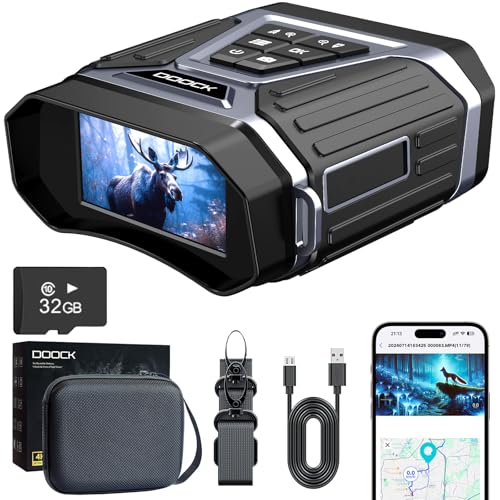
These 4K night vision binoculars add GPS metadata to video and photos. That’s huge for nocturnal surveys, where evidence and exact locations matter. The app control makes sharing clips and images easy on the go. They recharge via USB, which is handy in camp with power banks.
This is not a navigation GPS, but it plays well with your mapping workflow. Geotagged footage simplifies reports and spatial analysis later. In low light, image quality helps identify species and behaviors. If you work nights, this tool pays for itself fast.
Pros:
- 4K recording with GPS tagging
- App controls and easy sharing
- Rechargeable battery system
- Useful for nocturnal wildlife work
- Improves documentation and data quality
Cons:
- Not a navigator or map device
- Heavier than standard binos
- Battery life varies with video use
My Recommendation
If your field hours stretch past sunset, add this tool to your kit. It boosts your ability to record, tag, and share night data. While it’s not the best wildlife GPS device for navigation, it turns your evidence into well-tagged, usable data.
| Best for | Why |
|---|---|
| Nocturnal surveys | Clear video and GPS tags |
| Rapid reporting | App control and quick sharing |
| Field documentation | Reliable metadata for datasets |
Garmin HuntView Plus microSD Maps

HuntView Plus adds landowner data, public land overlays, and management units to compatible Garmin handhelds. It’s a big help when your study sites cross property lines. Plug in the microSD, and your eTrex or GPSMAP shows clear, actionable land info. That saves time and headaches in the field.
Maps run offline, which is perfect for backcountry trips. Updates come with new cards, so plan ahead for changes. I use these when working near private boundaries or mixed-use lands. It pairs well with the best wildlife GPS device for a complete mapping setup.
Pros:
- Landowner and public land overlays
- Plug-and-play on Garmin handhelds
- Works offline without cell service
- Clear boundaries for ethical access
- Great for mixed land mosaics
Cons:
- Garmin-only compatibility
- Updates require new card purchases
- Coverage varies by state or region
My Recommendation
If your study areas border private land, this card is a must. It clears up boundaries and reduces conflicts. It’s not the best wildlife GPS device by itself, but it elevates your Garmin handheld into a complete field tool.
| Best for | Why |
|---|---|
| Boundary navigation | Landowner data and HMUs |
| Offline mapping | No signal required |
| Garmin users | Seamless plug-and-play integration |
FAQs Of best wildlife GPS device
What features matter most in the best wildlife GPS device?
Focus on accuracy under canopy, strong battery life, rugged build, and clear mapping. Satellite messaging is vital for remote safety. Easy waypoint and track tools save time.
Do I need satellite or cellular for wildlife GPS?
For animal collars and remote areas, satellite is best. For vehicles and gear near coverage, cellular works well and costs less.
How long should battery life be for field use?
For handhelds, aim for a full active day or more. For collars, set duty cycles to stretch battery for weeks or months.
Is it legal to track wildlife with GPS?
Research often needs permits and ethics approval. Always follow local laws and animal welfare rules before deployment.
How accurate are modern wildlife GPS units?
Most handhelds get a few meters in open sky. Multi-GNSS and good antennas help under canopy. Collars vary by model and fix settings.
Final Verdict: Which Should You Buy?
For most field pros, the Garmin GPSMAP 66i still feels like the best wildlife GPS device. It blends reliable navigation, strong maps, and life-saving inReach.
For animal telemetry, a true Wildlife Satellite Tracking Device is the best wildlife GPS device category. For vehicles and gear, the Optimus, Spytec, and Amcrest offer smart, budget wins.