The best wildlife first aid kit is compact, waterproof, and trauma-ready for the field.
You never plan on getting hurt while tracking elk, photographing birds, or hiking a remote trail. Yet things happen fast in the wild—knife slips, barbed wire cuts, a bad fall, or even a panicked animal kick. In those moments, the best wildlife first aid kit makes a hard day survivable. It helps you stop bleeding, splint a limb, clean and dress a wound, and move out. In this guide, I share field-tested picks that balance size, weight, and real trauma tools for 2026 adventures. If you spend time around wildlife or off-grid, you’ll find a kit here that fits your pack and your plan.
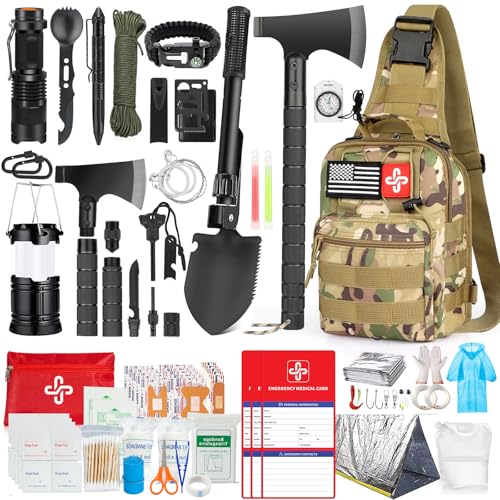
Survival Kit, 262Pcs Survival Gear…
[Preparedness for the Unknown]: While no one can predict when or how severe a disaster or accident will be, our 262pcs survival kit ensures your family’s safety during the critical…
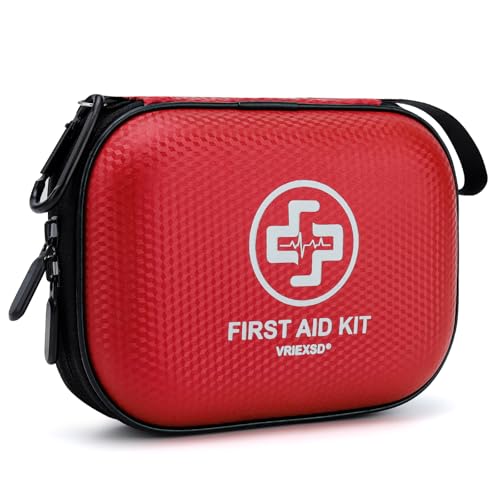
Mini First Aid Kit -…
ESSENTIALS FOR EMERGENCY: Everything you need is in this first aid kit! Our kit includes over 150 professional-grade medical and safety supplies, all kinds of bandages, gloves, povidone-lodine prep pad,…

EVERLIT Emergency Trauma Kit, CAT…
✅【Everlit Emergency Trauma Kit】: Uniquely customized by U.S military VETERANS to get you well-prepared in advance to emergencies during the outdoor adventure, hunting, camping, travel, disaster, and accident. Everlit Emergency…
262-Piece Survival Kit with First Aid & Gear

This 262-piece survival kit mixes a full first aid pouch with smart outdoor tools. You get a compact shovel with a pick, a small axe/hammer combo, an emergency tent, and a crossbody bag to carry it all. It suits wildlife photographers, hunters, and backcountry drivers who want one grab-and-go bag. The case organizes pieces so you can move fast when seconds count.
For wildlife scenarios, I like the blend of trauma basics and shelter gear. The kit helps with splints, cleaning, and dressing wounds, while also solving cold, rain, and rough camp needs. The bag’s layout makes it easy to add your own extras like liquid bandage or a hemostatic gauze. For a day truck kit or ranch UTV, it’s a smart base that earns its space.
Pros:
- All-in-one bag with first aid plus survival tools
- Includes emergency tent for sudden weather
- Compact shovel and axe/hammer add real utility
- Crossbody carry for fast access in the field
- Plenty of room to customize for the best wildlife first aid kit setup
- Good divider pockets for quick grab items
Cons:
- Not a pure trauma kit; you may want a tourniquet upgrade
- Tools add weight compared to minimalist options
- Bandage quality is fine but not premium
My Recommendation
This is best for outdoors people who want one bag that does many jobs. It suits ranch hands, wildlife volunteers, and off-road campers who face cuts, scrapes, and unstable weather. The survival tools round out the medical kit when you are truly out there. For many, this can be the best wildlife first aid kit once you add a quality tourniquet and a pressure dressing.
| Best for | Why |
|---|---|
| Truck or UTV kit | All-in-one bag with tools and first aid for ranch or field use |
| Hunting base camp | Shelter and tools help when weather turns or gear breaks |
| Wildlife photography | Easy carry and quick access in messy terrain |
150-Piece Mini Waterproof First Aid Kit

This 150-piece mini first aid kit packs into a small waterproof hard shell. It slides into a pack, camera bag, or seat pocket without fuss. Inside, you get the basics: bandages, antiseptic pads, tweezers, and tape. The case protects everything from rain and dirt, which matters for wildlife work.
It is ideal as a personal kit you keep on you at all times. Add a compact trauma item like a pressure dressing and a simple elastic wrap. Then you have more range for punctures and deeper cuts. For many, this can be the backbone of the best wildlife first aid kit when weight and size are tight.
Pros:
- Waterproof hard shell protects contents in storms
- Lightweight and small enough for everyday carry
- Good basics for minor cuts and scrapes
- Solid fit for trail runs, short hikes, and day shoots
- Easy to add essentials to build the best wildlife first aid kit
Cons:
- Limited trauma tools out of the box
- No tourniquet included
- Supplies may run short for groups
My Recommendation
Pick this if you want a small, waterproof kit that lives in your pack. It fits wildlife photographers, anglers, and birders who move light and fast. With a few upgrades, it covers most minor field injuries. If you carry a separate trauma pouch, this mini kit fills the first aid gap for the best wildlife first aid kit system.
| Best for | Why |
|---|---|
| Ultralight day hikes | Low weight and waterproof protection |
| Wildlife shoots | Fits in a camera bag without bulk |
| Kids’ packs | Simple, organized, and easy to use |
EVERLIT Trauma Kit with CAT Gen-7 Tourniquet

This EVERLIT IFAK is built for serious bleeding control. It includes a CAT Gen-7 tourniquet and a 36-inch splint, which are field-proven tools. The pouch is tactical and rugged, with MOLLE mounting for quick access. For wildlife handlers and backcountry hunters, it handles the worst-case day.
In the wild, major bleeding is the top killer. A real tourniquet and splint can save a life or a limb. Pair this with a small first aid kit and you have a complete setup. It can be the core of the best wildlife first aid kit for remote work in 2026.
Pros:
- Includes CAT Gen-7 tourniquet for severe bleeding
- 36-inch splint supports fractures in the field
- Rugged MOLLE pouch mounts to packs or vests
- Fast access design saves time under stress
- Excellent add-on to make the best wildlife first aid kit
Cons:
- Focused on trauma; lacks many minor care items
- Heavier than a basic pouch
- Requires training to use tools correctly
My Recommendation
This is best for hunters, rangers, and wildlife officers who face real trauma risk. It shines when you need bleeding control now. Add it to a general kit for minor care, and you have a strong system. If you want the best wildlife first aid kit for high-risk field work, start here and build around it.
| Best for | Why |
|---|---|
| Backcountry hunting | Tourniquet and splint handle severe injuries |
| Wildlife capture teams | Durable pouch with fast, tactical access |
| Remote field research | Trauma tools complement a standard first aid kit |
First Aid Only 91248 OSHA 260-Piece Kit

This OSHA-compliant 260-piece kit is built for groups and worksites. It covers up to 50 people in general care. There are lots of bandages, antiseptics, and burn items. For wildlife centers, barns, or workshop areas, it offers breadth and volume.
It is not a pure wilderness kit, but it fills the everyday need well. Mount it in a vehicle or facility and pair with a trauma pouch. Then you have both minor and major covered. For a team’s best wildlife first aid kit strategy, it is a reliable base station.
Pros:
- OSHA-compliant coverage for groups
- Great for base camps, barns, and facilities
- Clear organization for quick treatment
- Large supply count for repeated use
- Complements a field trauma kit to build the best wildlife first aid kit
Cons:
- Bulky for backpack carry
- Lacks advanced trauma items like a tourniquet
- Designed for general, not wilderness-specific, use
My Recommendation
Use this as a fixed kit in a truck, lodge, or wildlife facility. It shines for volume care of minor injuries. Add a trauma kit for bleeding and fractures. As part of a layered plan, it supports the best wildlife first aid kit approach for teams and multi-person trips.
| Best for | Why |
|---|---|
| Worksites and barns | OSHA-style coverage for many users |
| Guided tour vehicles | High supply count for repeated use |
| Wildlife rehab centers | Strong general care to pair with trauma tools |
520-Piece Premium Large First Aid Kit

This 520-piece kit is a large, organized medical bag for families and groups. It has dressings, antiseptics, tapes, and various tools. The volume supports multi-day use in camp or on long road trips. For wildlife expeditions, this can be your base kit in the truck or cabin.
The kit is generous, but do a quick audit. Add your preferred pain relief, blister care, and any specific meds. Then add a dedicated tourniquet and a pressure dressing for trauma. With those steps, it becomes the best wildlife first aid kit for extended travel in 2026.
Pros:
- Very high piece count for teams and long trips
- Good organization and labeling
- Works well as a base camp or vehicle kit
- Easy to customize with trauma upgrades
- Supports the best wildlife first aid kit plan for families
Cons:
- Too large for a small day pack
- Not all items are premium grade
- May take time to learn the layout
My Recommendation
Pick this for group travel, family overlanding, or a base camp in wildlife areas. It covers routine injuries again and again. Add a high-quality tourniquet and a trauma dressing to round it out. With a few tweaks, you will have the best wildlife first aid kit for long trips and larger groups.
| Best for | Why |
|---|---|
| Family road trips | High volume and broad supply range |
| Base camp kit | Organized bag suits repeated daily use |
| Guided wildlife tours | Easy to restock and share across a group |
EVERLIT 250-Piece Survival IFAK (OD Green)
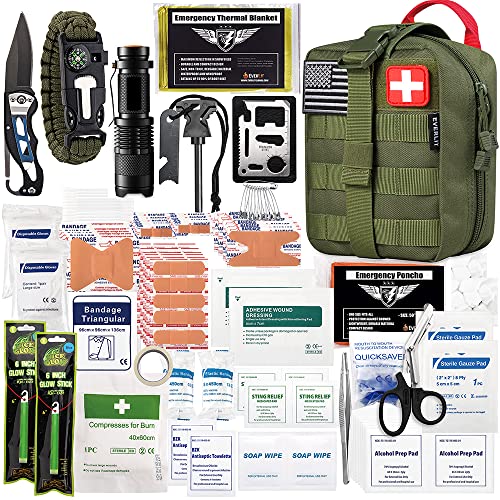
This EVERLIT 250-piece survival IFAK blends first aid and survival basics in a MOLLE pouch. The OD Green color suits field use and hunting. You get bandages, tools, and some survival aids in a compact package. It mounts easily on packs, vests, or a vehicle panel.
It covers both daily cuts and some trauma potential. I like it as a one-bag solution for solo trips. You can add a proven tourniquet to complete it. For many, it becomes the best wildlife first aid kit in a small, rugged form.
Pros:
- Rugged MOLLE pouch for field mounting
- Balanced mix of first aid and survival items
- Compact size yet solid contents
- OD Green blends in for hunting
- Good base to build the best wildlife first aid kit
Cons:
- Tourniquet quality may vary; consider upgrading
- Limited specialized tools compared to premium trauma kits
- Restocking needs planning for long trips
My Recommendation
Choose this if you want one pouch for solo hunting or off-trail days. It hits the sweet spot of size and capability. Add a proven tourniquet and a pressure dressing. Then you will have the best wildlife first aid kit for most day missions.
| Best for | Why |
|---|---|
| Solo hunts | Compact pouch with core medical tools |
| Backpack carry | MOLLE mount and rugged build |
| Field research | Balanced first aid and survival items |
EVERLIT 250-Piece Survival IFAK (Red)
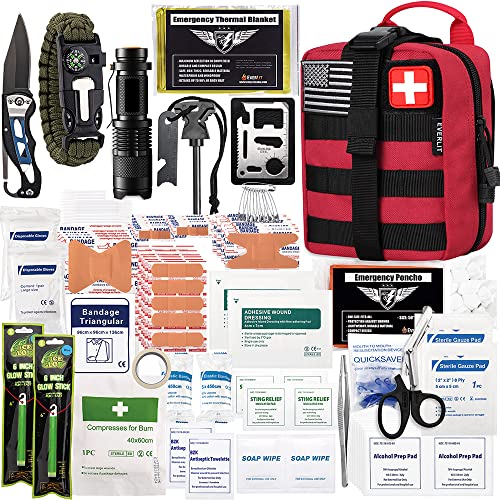
This red EVERLIT 250-piece IFAK mirrors the OD Green version but with high-visibility color. In an emergency, that bright red helps others find it fast. Contents cover routine care with some survival add-ons. The pouch is tough and mounts on many rigs.
It is a good pick if you often travel with partners. Everyone can spot the kit even in low light or clutter. Add a top-tier tourniquet to strengthen the trauma side. With a few upgrades, it stands as the best wildlife first aid kit for shared trips.
Pros:
- High-visibility red pouch is easy to locate
- Compact and durable with MOLLE options
- Balanced content for most field incidents
- Good for team use and vehicles
- Scales into the best wildlife first aid kit with trauma upgrades
Cons:
- Some items are basic grade
- Trauma capability improves with an upgraded tourniquet
- Limited space for bulky add-ons
My Recommendation
Use this if you guide trips or move with a crew. The red pouch speeds handoffs and reduces search time. Pair with a proven tourniquet for major bleeds. Together, you have the best wildlife first aid kit for group hiking and wildlife watching.
| Best for | Why |
|---|---|
| Guided hikes | High-visibility pouch improves response time |
| Family travel | Easy to find in a crowded vehicle |
| Park volunteers | Balanced supplies in a tough pouch |
Gevoke 410-Piece Waterproof First Aid Kit

The Gevoke 410-piece kit arrives in a hard, waterproof shell. It is tough enough for boats, trucks, and rainy trailheads. Inside, you get lots of daily care items with tools for basic field needs. The protection from water and dust is the big win here.
Wildlife work often means mud, rain, and rough rides. A waterproof case helps keep bandages clean and ready. Pair this with a separate trauma pouch for major bleeds. Together, they make the best wildlife first aid kit for wet, rugged zones.
Pros:
- Waterproof hard case protects supplies
- High piece count for extended use
- Good fit for boats and coastal areas
- Organized layout reduces search time
- Builds toward the best wildlife first aid kit in bad weather
Cons:
- Hard case is bulkier than soft pouches
- No premium trauma gear included
- May be heavy for long carries
My Recommendation
Choose this if you operate near water or in wet climates. The case keeps everything dry and usable. Add a tourniquet and pressure dressing in a quick-access pouch. That gives you the best wildlife first aid kit for rivers, coasts, and storm-prone areas.
| Best for | Why |
|---|---|
| Boats and canoes | Waterproof shell guards supplies |
| Rainy, muddy trails | Dust and water protection preserves bandages |
| Vehicle mount | Hard case handles vibration and bumps |
RHINO RESCUE 240-Piece First Aid Kit

RHINO RESCUE’s 240-piece kit aims at home, office, and travel, yet it crosses well into outdoor use. It includes well-labeled sections for bandages, antiseptics, and common tools. The soft case is easy to pack and open. It’s balanced for a lot of everyday injuries.
For wildlife field days, I like this as a mid-size kit. It is not a heavy trauma kit, but it keeps the basics covered. Pair it with a tourniquet and a splint if you travel far. That turns it into the best wildlife first aid kit package for most day trips.
Pros:
- Clear organization for fast access
- Good mix for minor injuries and burns
- Soft case packs well in bags or vehicles
- Solid quality for the price
- Builds into the best wildlife first aid kit when paired with trauma tools
Cons:
- Limited out-of-box trauma capability
- Soft case is not waterproof
- May need restocking for long expeditions
My Recommendation
Pick this if you want a mid-size, well-organized kit that travels. It is great for mixed trips that include roads, trails, and wildlife viewing. Add a tourniquet and a splint to cover severe injuries. Then you will have the best wildlife first aid kit for most casual field adventures.
| Best for | Why |
|---|---|
| Day hikes | Portable size with strong basics |
| Car and RV | Organized layout works well in vehicles |
| Wildlife photo trips | Easy to access, easy to restock |
160-Piece Portable All-Purpose First Aid Kit

This 160-piece compact kit targets minor cuts, scrapes, sprains, and burns. It is a simple, all-purpose set for home, car, and outdoor use. The zippered case keeps items tidy and easy to carry. It is a good starter kit for new hikers and families.
Out in the wild, simple fixes matter. A clean bandage and a secure wrap can save a trip. For extra safety, add a tourniquet and an elastic bandage for pressure. With that small upgrade, it can fit into the best wildlife first aid kit plan for casual users.
Pros:
- Compact and easy to store
- Good basics for everyday injuries
- Budget-friendly way to get started
- Light enough for regular carry
- Pairs well with a trauma add-on to form the best wildlife first aid kit
Cons:
- Limited trauma tools
- Soft case is not water-resistant
- Small quantities of some items
My Recommendation
Choose this if you need a simple, portable kit you will actually carry. It is great for day parks, casual hikes, and car glove boxes. Add a compact tourniquet and a pressure dressing to boost safety. Then it earns a place in your best wildlife first aid kit combo.
| Best for | Why |
|---|---|
| Beginners | Easy, simple, and affordable |
| Short day trips | Lightweight and compact |
| Glove box | Fits small spaces and covers common injuries |
FAQs Of best wildlife first aid kit
What should the best wildlife first aid kit include?
It should include bandages, antiseptic wipes, tape, gauze, blister care, tweezers, and gloves. Add a proven tourniquet, a pressure dressing, and a splint for trauma.
How do I choose the right kit size?
Match the kit to trip length, group size, and risk. Day hikes need small kits. Remote hunts need trauma tools and more supplies.
Do I need a tourniquet for wildlife trips?
Yes. A quality tourniquet can save a life during severe bleeding. Practice before you head out.
How should I waterproof my kit?
Pick a waterproof case or use dry bags and zip pouches. Keep key items double-bagged.
How often should I restock or replace items?
Check kits before each trip and every six months. Replace used, torn, or expired items.
Final Verdict: Which Should You Buy?
If you want pure trauma capability, go with the EVERLIT Trauma Kit with CAT Gen-7. Pair it with a small first aid kit for daily care, and you have balance.
For an all-in-one bag, the 262-Piece Survival Kit is hard to beat. With a tourniquet upgrade, it can be the best wildlife first aid kit for most field users.