Long telephoto prime or zoom in the 300–600mm range with fast AF and good stabilization is ideal.
I’ve spent years in the field chasing birds, big game, and shy mammals. I know which lens is ideal for wildlife photography and why the choice matters. This guide draws on hands-on experience, tested gear, and clear rules that help you pick a lens that fits your subject, terrain, and budget. Read on for practical tips, mistakes to avoid, and lens picks I’ve used successfully in the wild.

Why lens choice matters for wildlife photography
Choosing which lens is ideal for wildlife photography changes what you can shoot and how you shoot it. Your lens decides how close you can get, how much background you can blur, and how well you can track fast animals. Most wildlife scenes need reach, speed, and reliability. Pick the wrong lens and you’ll miss moments or get poor image quality.
When deciding which lens is ideal for wildlife photography, think about your subjects. Birds need more reach than deer. Predators often need lower light capability. Match lens traits to your target and location.
Types of lenses to consider
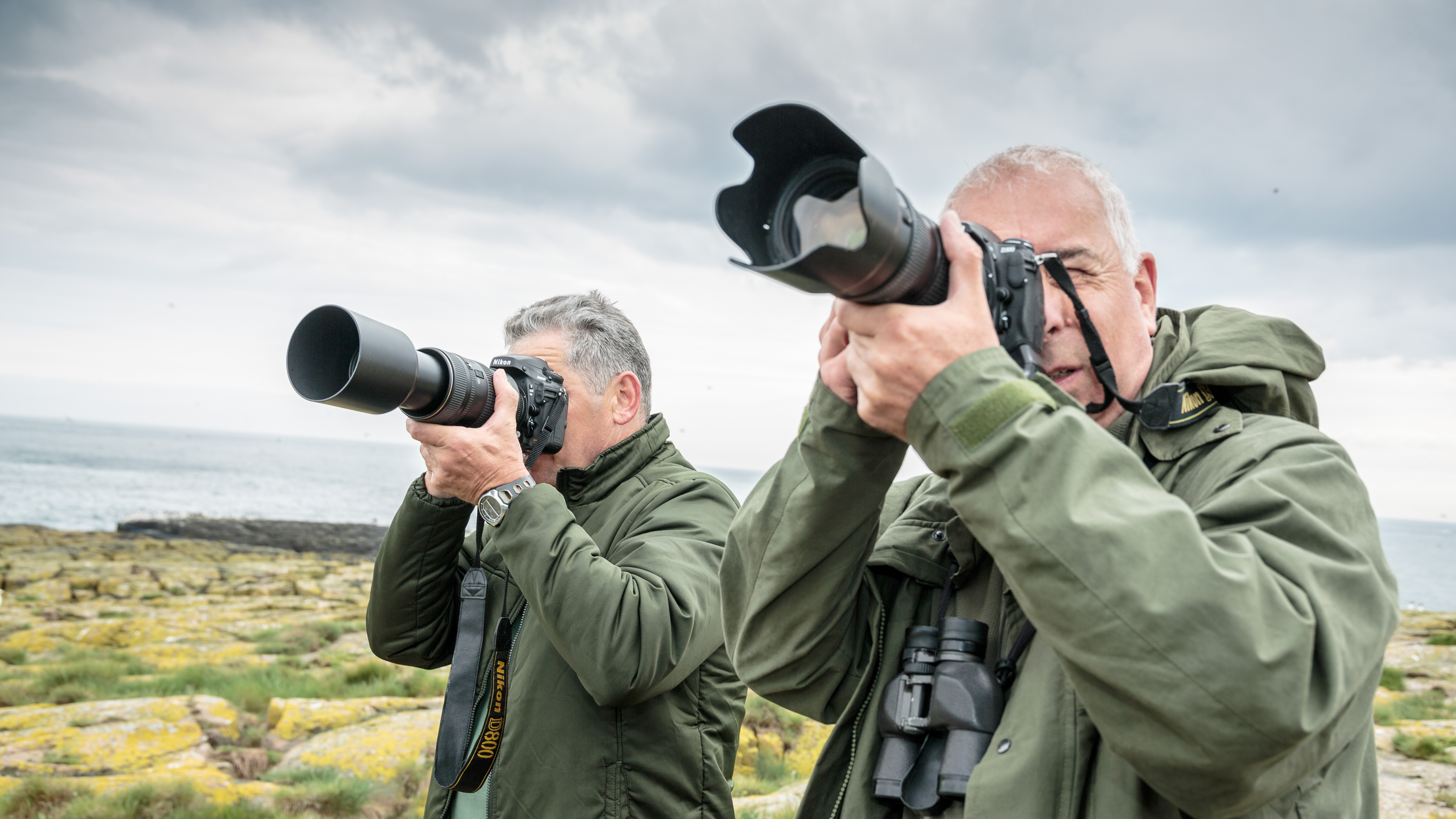
Knowing which lens is ideal for wildlife photography starts with lens type. Here are common options and their real-world uses:
- Telephoto zoom 100–400mm
- Versatile. Good for birds in flight and close game.
- Easier to carry and move with than super-telephotos.
- Super-telephoto zoom 200–600mm
- Extra reach for distant subjects. Great for shorebirds and skittish mammals.
- Often offers good value for reach versus weight.
- Prime telephoto 300mm, 400mm, 500mm, 600mm
- Sharp and fast. Wide apertures for low light.
- Heavier and costlier but excel in image quality.
- Super-telephoto prime 800mm and up
- Used for very distant or tiny subjects.
- Best for serious pros or specialists; heavy and pricey.
- Teleconverters with above lenses
- Add reach without buying a new lens.
- May reduce autofocus speed and aperture. Test before relying on them.
Which lens is ideal for wildlife photography depends on these trade-offs: reach, weight, aperture, and cost. Choose what you can carry and use reliably.
Best focal lengths and when to use them
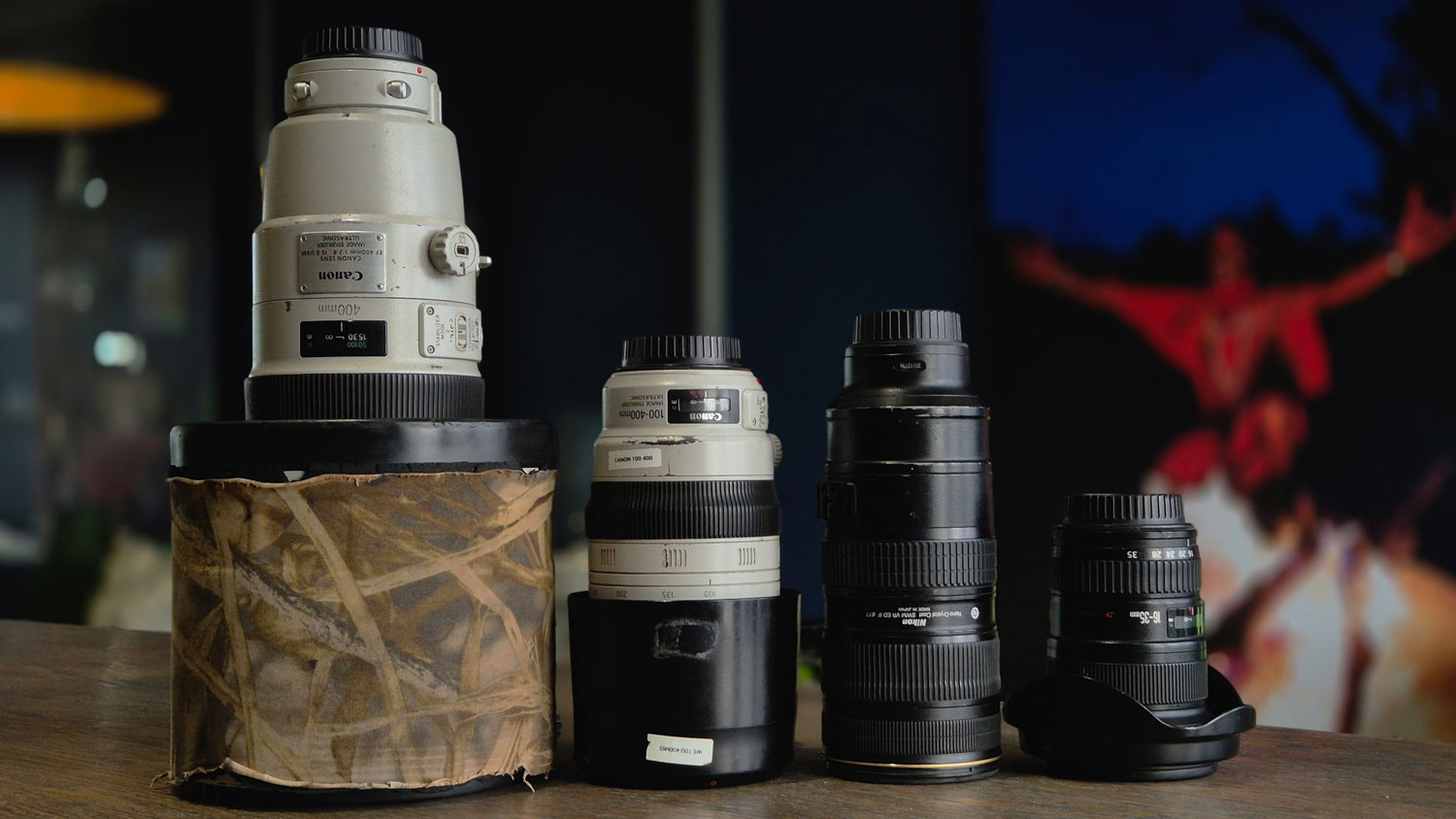
Focal length is the core factor when you decide which lens is ideal for wildlife photography. Use these quick rules:
- 100–300mm
- Good for large mammals at moderate distance and for full-frame cameras with crop sensors.
- 300–400mm
- A sweet spot for many bird and mammal shots. Great balance of reach and handling.
- 400–600mm
- Ideal for smaller or distant animals. Offers tight framing without getting too close.
- 600–800mm and beyond
- For tiny subjects or where you cannot approach. Often needed for seabirds or wildlife from hides.
I often start hikes with a 100–400mm and add a 1.4x teleconverter when needed. Testing shows that a 300–600mm range covers most needs for general wildlife work. When you ask which lens is ideal for wildlife photography, think of the focal length that keeps you safe and gives good framing.

Aperture, autofocus, and stabilization: technical must-haves
When you pick which lens is ideal for wildlife photography, lens features matter as much as focal length. Focus on these specs:
- Aperture
- Wider apertures like f/2.8 and f/4 help in dim light and blur the background.
- f/5.6 lenses are fine in good light and often lighter and cheaper.
- Autofocus speed and tracking
- Fast and reliable AF is key for birds and active mammals.
- Look for lenses and camera bodies with good continuous AF.
- Image stabilization
- Helps hand-held shots at long focal lengths.
- Critical when shooting from a boat, vehicle, or on the move.
- Build quality and weather-sealing
- Wildlife often means dust, rain, and rough handling. Weather sealing is valuable.
From my experience, a 400mm f/4 or 100–400mm with good AF and stabilization answers many “which lens is ideal for wildlife photography” questions. It works for dawn and dusk, and it helps you track motion.
Practical field tips and mistakes I learned
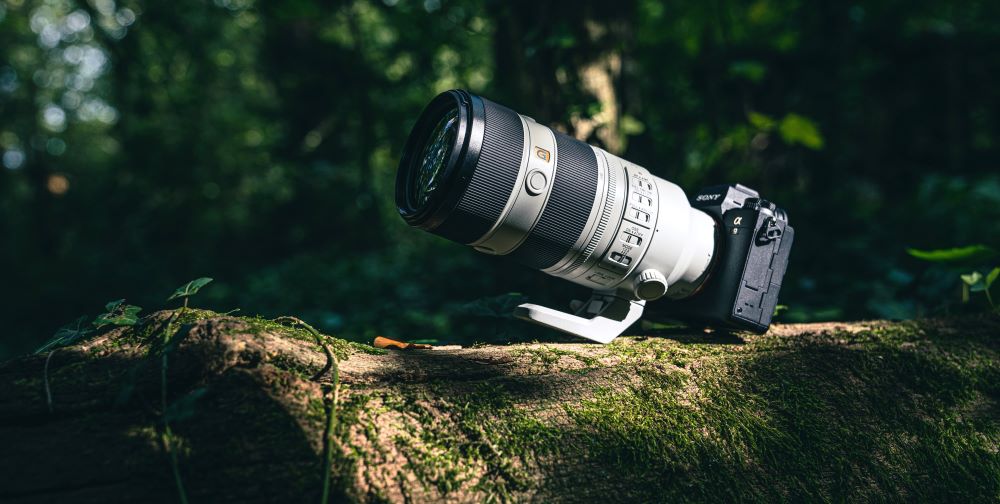
Real use shows you which lens is ideal for wildlife photography faster than specs. Here are field-tested tips:
- Scout first
- Know where animals show up. This reduces the need for extreme reach.
- Start with a versatile zoom
- I used a 100–400mm for months. It taught me framing and focus habits before I bought a big prime.
- Avoid over-reliance on the largest lens
- Heavy lenses tire you and slow you down. I once missed a golden-hour shot because I couldn’t move fast with an 800mm.
- Use a monopod or gimbal head
- They reduce fatigue and improve tracking for long lenses.
- Test teleconverters
- They can be great, but test for AF speed loss and image softening.
Learning which lens is ideal for wildlife photography is a process. Start simple, practice often, and upgrade for specific needs. These habits helped me capture cleaner, sharper shots under pressure.

Top lens recommendations by budget and use
Below are lenses I recommend based on common budgets and needs. Each pick considers which lens is ideal for wildlife photography for that scenario.
- Budget-conscious and travel-friendly
- 100–400mm zoom. Versatile, light enough to hike with, and covers many subjects.
- Mid-range serious hobbyist
- 200–600mm zoom. Great reach and value. Works for most bird and mammal work.
- Pro and low-light work
- 400mm f/2.8 or 500mm f/4 prime. Fast and sharp for low light and action.
- Specialized distance work
- 600mm+ prime. For distant birds or small subjects from hides.
- Compact setups for stealth
- 70–200mm on cropped body. Useful for larger animals and close hides.
When weighing which lens is ideal for wildlife photography, also consider used lenses and third-party options. I often find great performing used lenses that cut cost without large sacrifices.

How to choose the right lens for your subject and style
Choosing which lens is ideal for wildlife photography should match your subject and style. Use this decision flow:
- Identify your main subjects
- Birds, mammals, insects, or marine animals.
- Note typical distance and behavior
- Do animals let you close? Do they fly fast?
- Match focal length and aperture
- Small, distant birds need 400–600mm. Large mammals may need 200–400mm.
- Test weight and handling
- Carry each lens on a short hike. Comfort matters.
- Plan for low light and action
- Favor wider apertures and fast AF if you shoot at dusk.
Answering these points will show you which lens is ideal for wildlife photography for your needs. My own choice evolved from 100–400mm gear to a 400mm prime as I focused more on birds at dawn. Try gear before you commit.
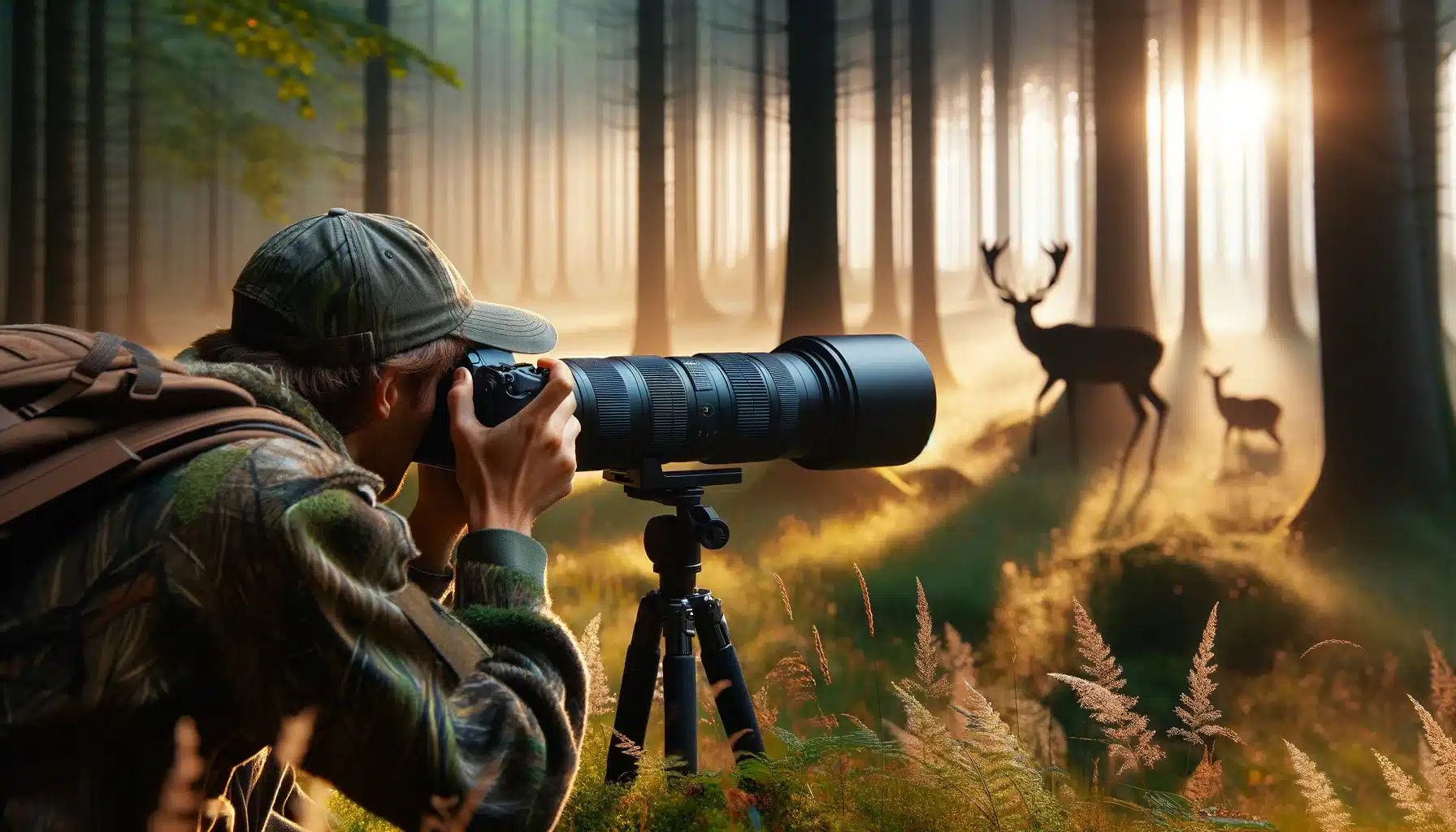
Frequently Asked Questions of which lens is ideal for wildlife photography
Which focal length is best for beginners?
For beginners, a 100–400mm zoom is best. It covers many situations and helps you learn framing and focus without heavy cost.
Do I need a prime lens for wildlife?
You do not need a prime lens to start. Primes give better low-light performance but are heavier and cost more.
Are teleconverters a good idea?
Teleconverters add reach affordably, but they can slow autofocus and reduce sharpness. Test combinations before relying on them.
Is image stabilization essential?
Image stabilization is very helpful at long focal lengths and when shooting handheld. It reduces blur and improves keeper rates.
What lens works best for birds in flight?
For birds in flight, a 300–600mm lens with fast autofocus and good tracking is ideal. A lighter zoom helps with panning and quick framing.
Conclusion
Choosing which lens is ideal for wildlife photography comes down to subject, distance, and how you work in the field. Start with a versatile zoom, focus on autofocus and stability, and upgrade to primes as your needs become specific. Practice with what you own, test gear in real conditions, and choose the lens you can carry and use confidently. Now pick one lens, get out into nature, and make your next shot count—share your results or ask a question below.

