Stay alert, keep distance, use long lenses, and respect animals to stay safe.
I’ve spent years photographing wildlife in fields, forests, and coasts. I write from real trips, close calls, and careful study of best practices. This guide explains how to stay safe while doing wildlife photography with clear steps, gear tips, and simple rules you can use on your next shoot. Read on for practical, expert-backed advice that keeps you and the animals safe.
Why safety matters in wildlife photography
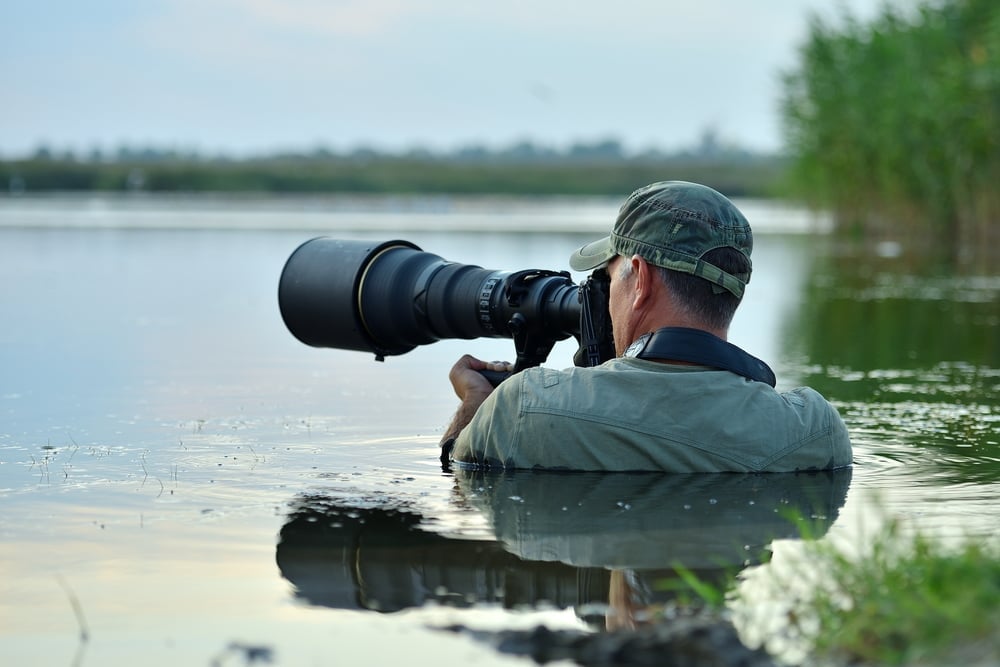
Wild animals are wild. Even gentle species can react when surprised. Knowing how to stay safe while doing wildlife photography protects you and the animals. It reduces risk, keeps habitats intact, and helps you get better images without drama.
- Protect yourself: avoid injuries and dangerous encounters.
- Protect wildlife: reduce stress and prevent harmful habituation.
- Protect access: follow rules so areas stay open to photographers.
Prepare before you go
Good planning cuts risk. Preparing is the first step in how to stay safe while doing wildlife photography.
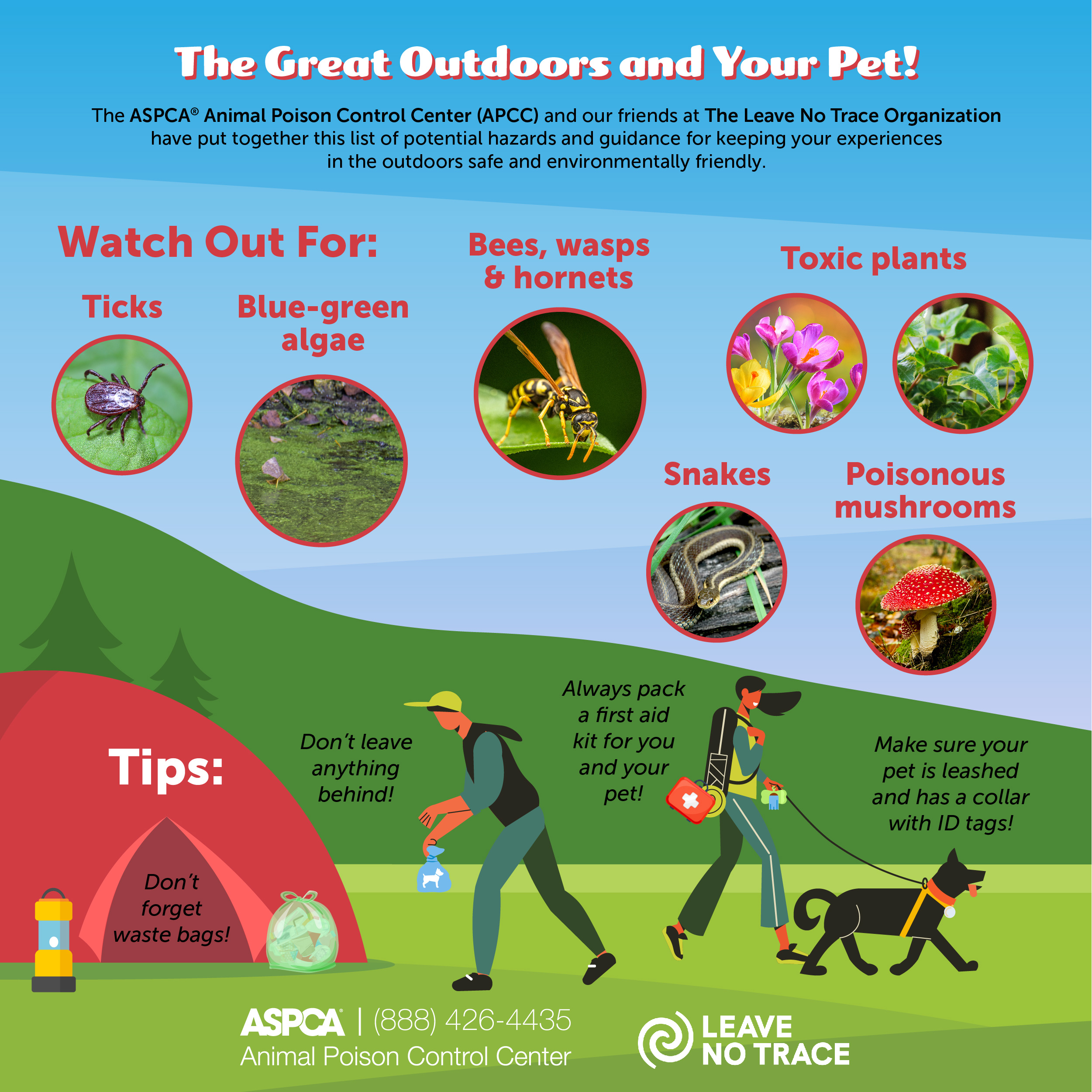
- Research the area: learn species, behaviors, and seasons that raise risk.
- Check regulations: permits and local rules can save fines and trouble.
- Health prep: pack vaccinations, insect protection, and any medications.
- Weather and tide checks: storms or tides can create sudden hazards.
- Leave an itinerary: tell someone where you will be and when you return.
Field techniques to stay safe
Field habits make the biggest difference in how to stay safe while doing wildlife photography.
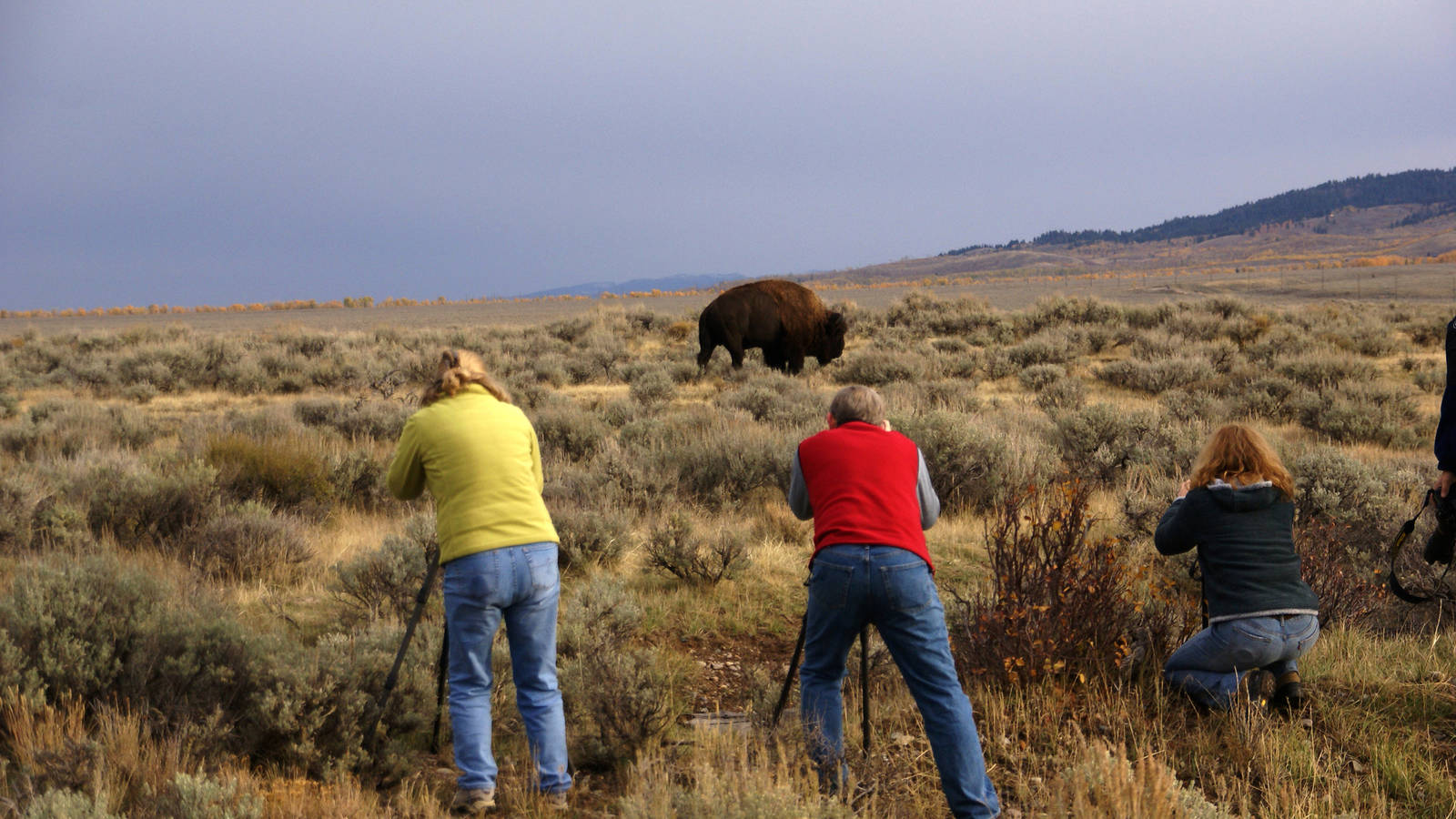
- Keep distance: use a telephoto lens instead of moving closer.
- Move slowly: avoid sudden moves and loud noises that startle animals.
- Watch wind and scent: approach from downwind when possible.
- Respect escape routes: give animals a clear path to leave.
- Avoid feeding: feeding changes behavior and increases danger.
- Use blinds or hides: stay concealed to reduce stress and risk.
Gear and clothing for safety
Right gear protects you and helps you work well. Gear choices are central to how to stay safe while doing wildlife photography.
- Lens: long telephoto lenses keep you far from wildlife.
- Tripod or monopod: stable support helps you react calmly.
- Backpack: carry water, food, rain gear, and spare batteries.
- First-aid kit: basic medical supplies for cuts, sprains, and bites.
- Bear spray or deterrent: where appropriate and legal.
- GPS and maps: avoid getting lost in large wild areas.
- Clothing: layers, sturdy boots, and neutral colors reduce risk.
Dealing with specific animals and risks
Different animals need different rules to stay safe. Learn species habits to know how to stay safe while doing wildlife photography.
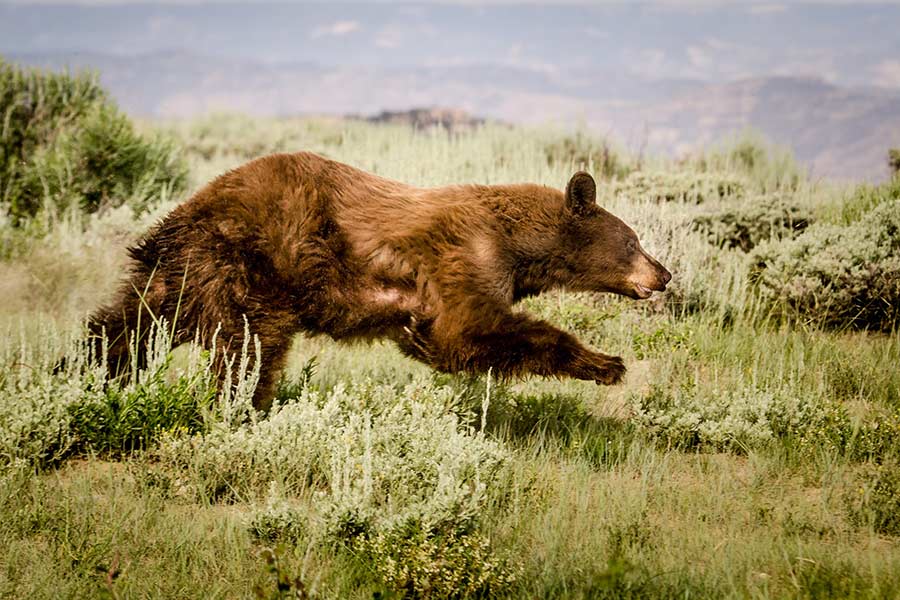
Predators (wolves, big cats, bears)
Give wide berth. Make noise on trails. Never turn your back or run. Stay together in groups when possible.
Large herbivores (elk, moose, bison)
They can charge if threatened. Keep distance, watch body language, and retreat slowly if they show concern.
Birds and nesting wildlife
Keep far from nests, avoid loud movements, and use long lenses during breeding season to prevent abandonment.
Marine mammals and seabirds
Stay on boats or shore as rules dictate. Never approach animals in the water; boat strikes and entanglement are real risks.
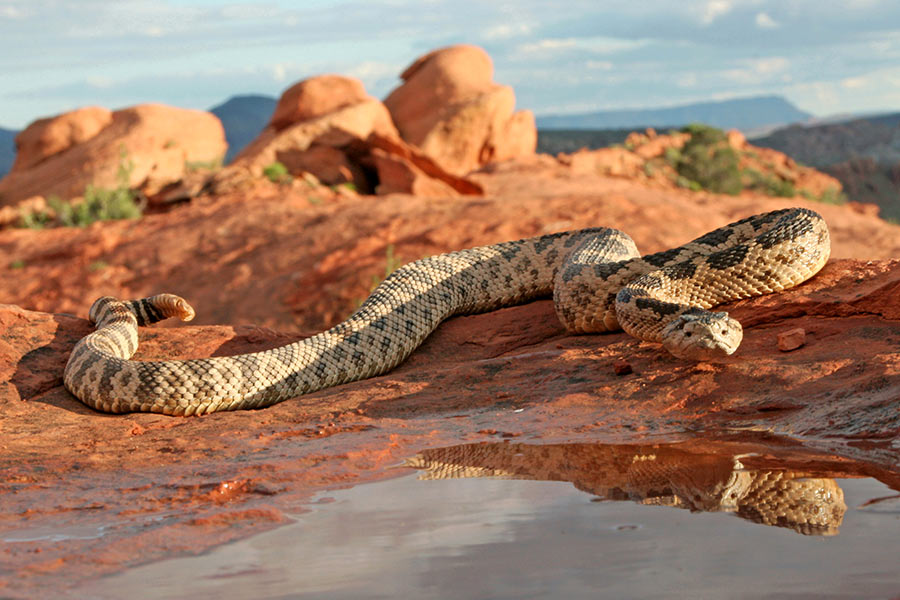
Snakes, insects, and small threats
Watch your step. Use boots and gloves when needed. Learn local venom protocols and carry a first-aid plan.

Emergency planning and first aid
Emergencies happen. A clear plan helps you respond and reduces harm. Emergency readiness is a key part of how to stay safe while doing wildlife photography.
- Share plans: leave route and return time with someone.
- Carry comms: phone, satellite messenger, or radio in remote areas.
- First-aid kit items: bandages, antiseptic, blister care, trauma dressing.
- Know local help: where ranger stations or emergency services are located.
- Heat and cold care: recognize heat stroke and hypothermia and treat early.
Ethics and conservation: safety for you and wildlife
Ethics link directly to safety. When you care for wildlife, they stay wild. Ethical practice is central to how to stay safe while doing wildlife photography.
- Disturbance matters: if animals change behavior, move away.
- Leave no trace: pack out all gear and waste.
- Report problems: injured or habituated animals need help from professionals.
- Respect closures: seasonal closures protect vulnerable animals and people.
Common mistakes and lessons from experience
I’ve made mistakes on shoots. Sharing them helps you avoid the same pitfalls. These lessons shape how to stay safe while doing wildlife photography.
- I once tried to edge closer to a nesting bird and nearly caused a flush. Lesson: back away early.
- I approached a feeding area too quickly and spooked a family of deer. Lesson: use a longer lens and patience.
- I carried heavy gear without a plan and strained my back on a long hike. Lesson: pack light and train for terrain.
Apply these lessons to save time, avoid danger, and get better shots.
Frequently Asked Questions of how to stay safe while doing wildlife photography
How close can I get to wildlife for photos?
Keep a safe distance using long lenses. Distance varies by species; if the animal shows signs of stress, you are too close.
Is it safe to use bait to lure animals?
No. Baiting changes behavior and can be illegal. It increases risk for you and the animals.
What should I do if an animal approaches me?
Stay calm, speak softly, and back away slowly. Do not run or make sudden moves.
Do I need special permits to photograph wildlife?
Often yes in protected areas or for certain species. Check local rules and get permits before you shoot.
How do I prepare for remote shoots?
Tell someone your plan, carry comms and a first-aid kit, know weather and terrain, and bring extra food and water.
Conclusion
Safe wildlife photography starts with respect, distance, and good planning. Follow simple rules, use the right gear, and learn about local species to reduce risk and capture better images. Take one small step from today: plan your next shoot with safety as the top priority. Share your experiences, subscribe for more tips, or leave a comment about your own safety lessons.

