Stay distant, patient, and choose gear and approach that keep animals calm and safe.
I have spent over a decade photographing birds, mammals, and reptiles in parks, reserves, and backcountry. I write about how to photograph wildlife without disturbing animals from hands-on experience, field tests, and conversations with biologists. This guide gives practical steps, gear tips, ethical rules, and tried-and-true habits that let you get great images while keeping wildlife stress-free.
Know the ethics before you shoot
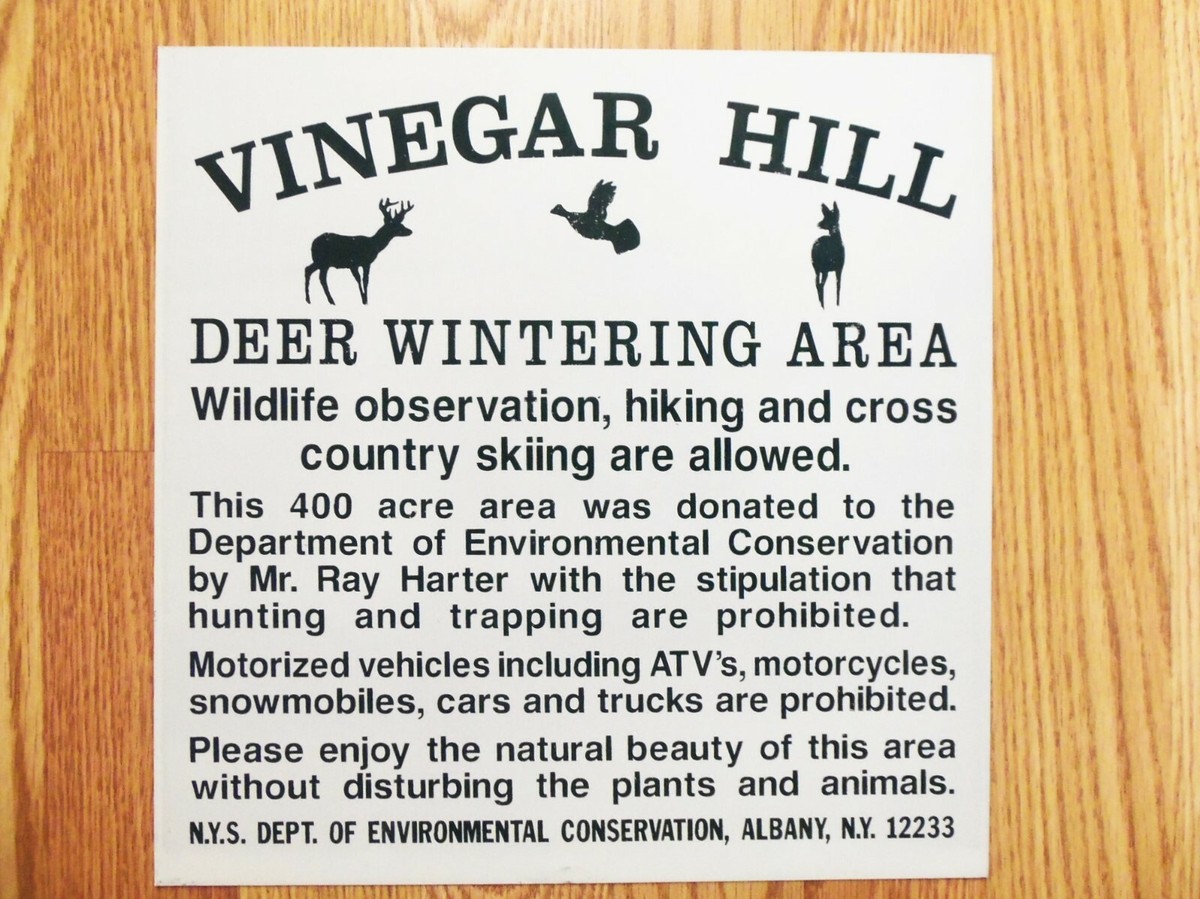
Respect is the base of every shot. If you wonder how to photograph wildlife without disturbing animals, start by putting animal welfare first. Learn basic animal behavior so you can spot signs of stress like sudden stillness, alarm calls, or repeated flight.
I once approached a nesting shorebird too fast. The bird left its eggs and I learned to watch posture and vocal cues first. That mistake taught me to slow down and read scenes before raising the camera.
- Read local rules and seasonal restrictions.
- Keep a large buffer distance and never chase animals.
- Avoid baiting or using food to lure wildlife.
 settings”
style=”max-width: 100%; height: auto; border: 2px solid black; border-radius: 10px; display: block; margin: 0 auto;”
loading=”lazy”
/>
Choose the right gear and settings
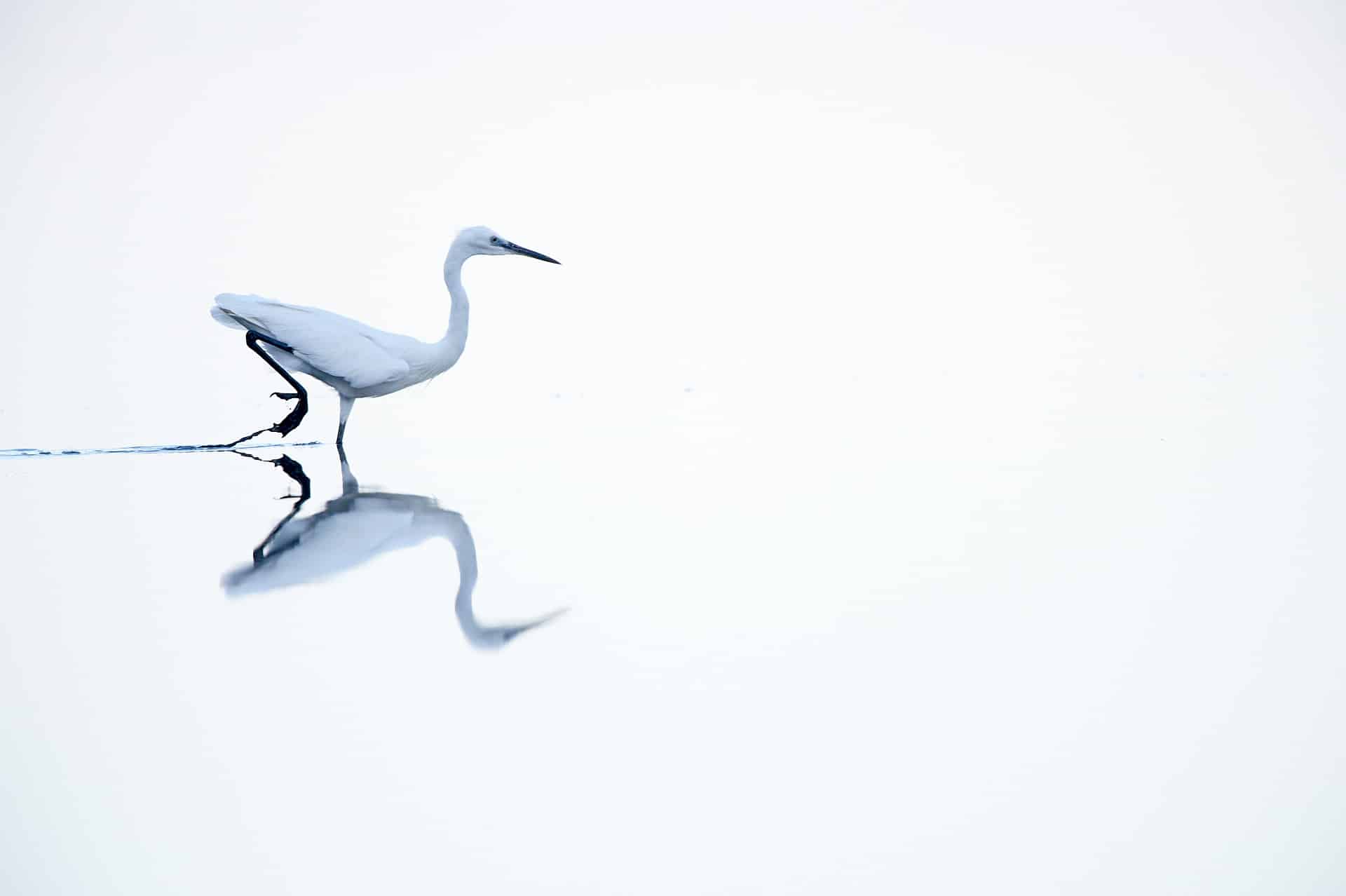
Good gear helps you stay farther from animals. Long lenses and remote triggers are essential to learn how to photograph wildlife without disturbing animals. A 300mm to 600mm lens covers most needs; crop sensors give extra reach.
Use fast shutter speeds for movement and low ISO when possible to reduce noise. Shoot in burst mode to capture decisive moments and use autofocus modes that track subjects without constant manual correction.
- Use a 300mm or longer telephoto lens to keep your distance.
- Bring a monopod or tripod for stability with heavy glass.
- Pack a remote trigger or intervalometer for distant setups.
Approach slowly and deliberately
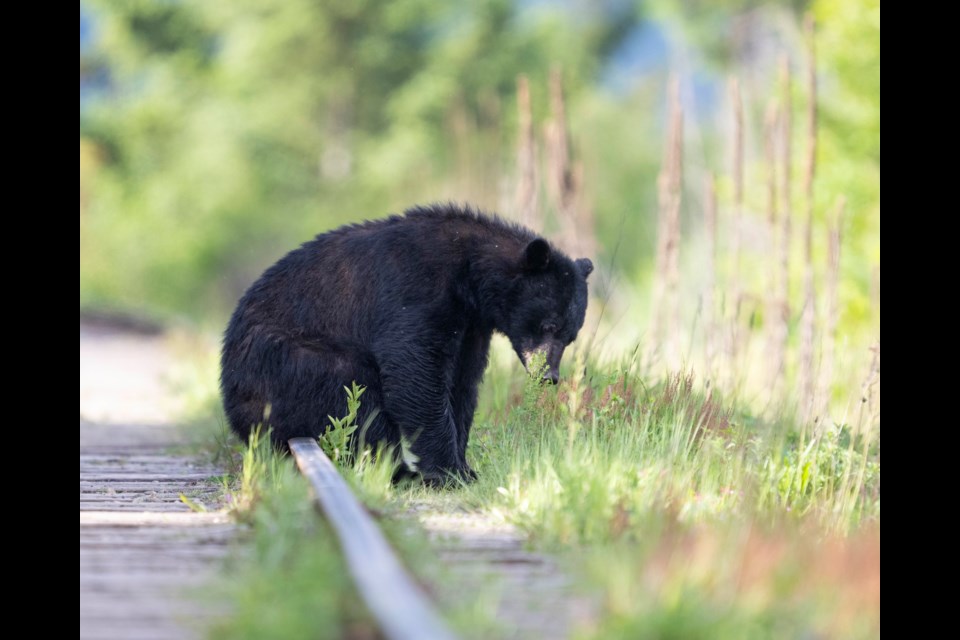
How you move matters more than how you shoot. Walk with soft, deliberate steps and pause frequently. Animals are sensitive to sudden changes and scents, so slow movements lower alarm.
When possible, approach from downwind so your smell doesn’t reach the animal. Use berms, vegetation, or terrain to break your silhouette. I often take 10 quiet minutes to observe before moving 10 more feet.
- Move at a steady, slow pace and stop when you see alert behavior.
- Avoid direct eye contact and fast body language.
- Use natural cover and maintain a clear escape route for the animal.

Use hides, blinds, and natural cover
Hides let you observe without being noticed. Portable blinds, vehicle hides, and natural features reduce disturbance and let animals behave normally. Set up well before peak activity so animals acclimate.
I used a camo hide near a river to photograph otters. After two days they returned to normal behavior and I captured natural interactions. Hides require patience but greatly increase ethical opportunities.
- Set up hides early and leave quietly when finished.
- Use neutral colors and avoid shiny gear.
- Rotate positions if animals show avoidance.

Remote cameras and long-term setups
Remote trapping is a low-impact way to learn how to photograph wildlife without disturbing animals. Motion-triggered cameras and remote flashes capture nocturnal or secretive species without constant human presence. Test settings with bait-free stations to avoid altering behavior.
Place cameras on animal trails, near dens, or at water sources. Secure mounts at eye level with the species to get natural perspectives. Respect local laws on camera placement and never use cameras where banned.
- Use motion-activated trail cameras for distant monitoring.
- Hide cables and lock housings to prevent theft.
- Check cameras infrequently to reduce disturbance.
Read body language and know species signals
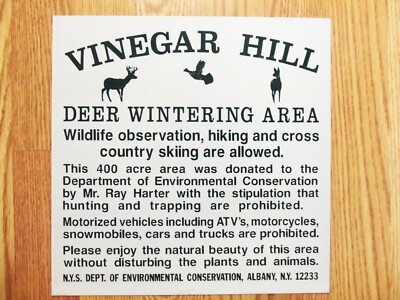
Understanding signals saves time and prevents harm. Each species shows stress differently. Deer stiffen and flick their ears; birds raise wings or freeze; predators may stare or lower their body to stalk.
I learned to stop photographing when a fox switched from curiosity to alert. Once alerted, I backed away slowly and waited until calm returned. Learning these cues helps you know when to keep shooting and when to stop.
- Learn common stress signals for your target species.
- Back away slowly if you see raised fur, alarm calls, or freezing.
- Keep observation journals to track reactions by species.

Use light and composition that favor distance shooting
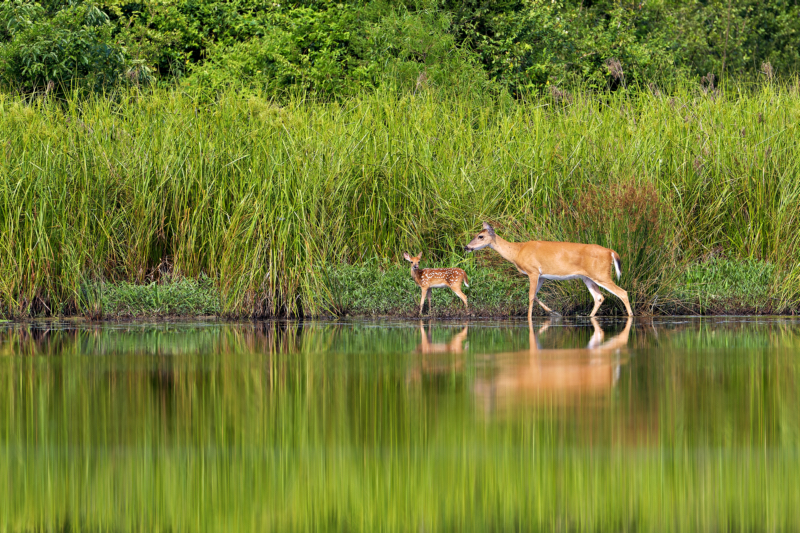
Good photos don’t require close contact. Composition, light, and timing can make long shots feel intimate. Use soft light at golden hours and position yourself for side or backlight to emphasize texture.
Fill the frame with tight crops when using long lenses. Capture context with wider shots to show habitat and natural behavior. My most memorable shots were taken from 60 meters away but framed tightly with a long lens.
- Shoot at dawn or dusk for warm light and active subjects.
- Use shallow depth of field to isolate subjects with long lenses.
- Include habitat in some frames to tell a story.
Minimize scent, sound, and visual disturbance
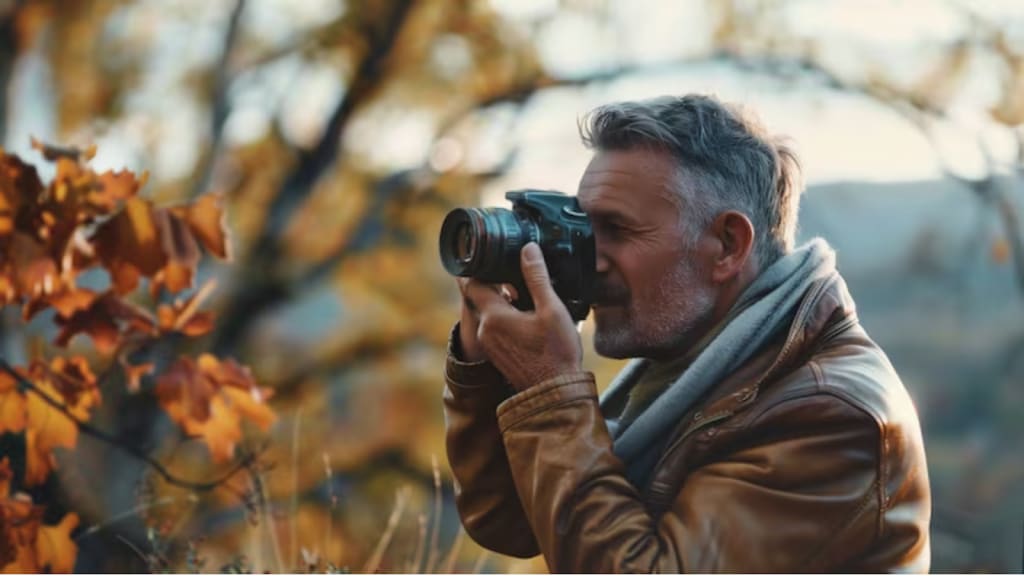
Scent, sound, and sight trigger alarm. Wash gear and clothes with unscented detergents. Use quiet camera modes and avoid loud accessories. Bright clothing and shiny equipment can be visible miles away in open habitat.
I once spooked a herd by stepping on dry grass. Now I wear soft-soled shoes and avoid crunchy routes. Small changes cut disturbance dramatically.
- Choose odorless soaps and avoid fragrances.
- Use silent or quiet shooting modes on cameras.
- Keep gear covered and limit movement when close.
Legal and safety considerations
Laws protect wildlife and habitats. Permits might be needed for drones, hides, or commercial work. Know local rules and always prioritize safety for you and the animals.
Never approach nests, dens, or protected species during sensitive seasons. If an animal is stressed, stop and leave. I once had a ranger explain a seasonal buffer zone; after that I always check regulations before fieldwork.
- Check local regulations and obtain permits as needed.
- Maintain safe distance from dangerous animals and terrain.
- Follow park rules and seasonal restrictions.
Practical routines and habits for long-term success
Small habits add up. Plan shoots, monitor weather, and keep a field log. Respecting wildlife becomes second nature and improves photos. Practice patience, keep gear light, and prioritize animal welfare over a single shot.
If you build repeatable routines, you will succeed without harm. I prepare checklists, backup batteries, and quiet snacks. That prep reduces rush and keeps both animals and me calm.
- Keep a field checklist for gear and permits.
- Practice ethical habits consistently to form muscle memory.
- Review and learn from each outing to improve next time.
Frequently Asked Questions of how to photograph wildlife without disturbing animals
How close can I safely get to wildlife?
Maintain at least the distance recommended by local guidelines; when in doubt, stay farther. Use a long lens and hide to avoid testing the limit.
Can I use playback sounds to attract birds?
Avoid playback unless permitted for research; it can stress birds and disrupt breeding. Use playback sparingly and only when ethical and legal.
Is it okay to use bait for better shots?
Baiting changes natural behavior and can harm animals; avoid bait unless you have proper permits and an ethical reason. Focus on natural encounters instead.
How do I know if an animal is stressed?
Watch for alarm calls, sudden flight, freezing, or vocal changes. If you see these, back away and stop photographing.
Are drones allowed for wildlife photography?
Drones often disturb animals and may be illegal near wildlife; check regulations and avoid flying near animals. Use drones only with permits and experienced control.
Conclusion
Respectful wildlife photography starts with ethics, good gear, and patience. Use distance, hides, remote gear, and careful observation to learn how to photograph wildlife without disturbing animals. Practice slow approaches, read animal signals, and follow rules so you get better photos and keep animals safe.
Try one new habit on your next trip—like using a longer lens or setting up a remote camera—and see how it improves both your images and wildlife welfare. Share your stories, subscribe for more tips, or leave a comment about your experiences.

