At minimum, a 300mm to 600mm equivalent focal length is ideal for most wildlife photography.
I’ve spent years chasing birds at dawn, tracking deer at dusk, and waiting for bears to appear at a safe distance. I know which lenses work, when reach matters, and when mobility beats raw zoom. This guide explains exactly how much zoom do you need for wildlife photography, with clear rules, real-world examples, gear picks, and practical tips you can use on your next field trip. Read on to make smarter lens choices and get closer to the action without putting yourself or the animals at risk.
Why zoom matters for wildlife photography
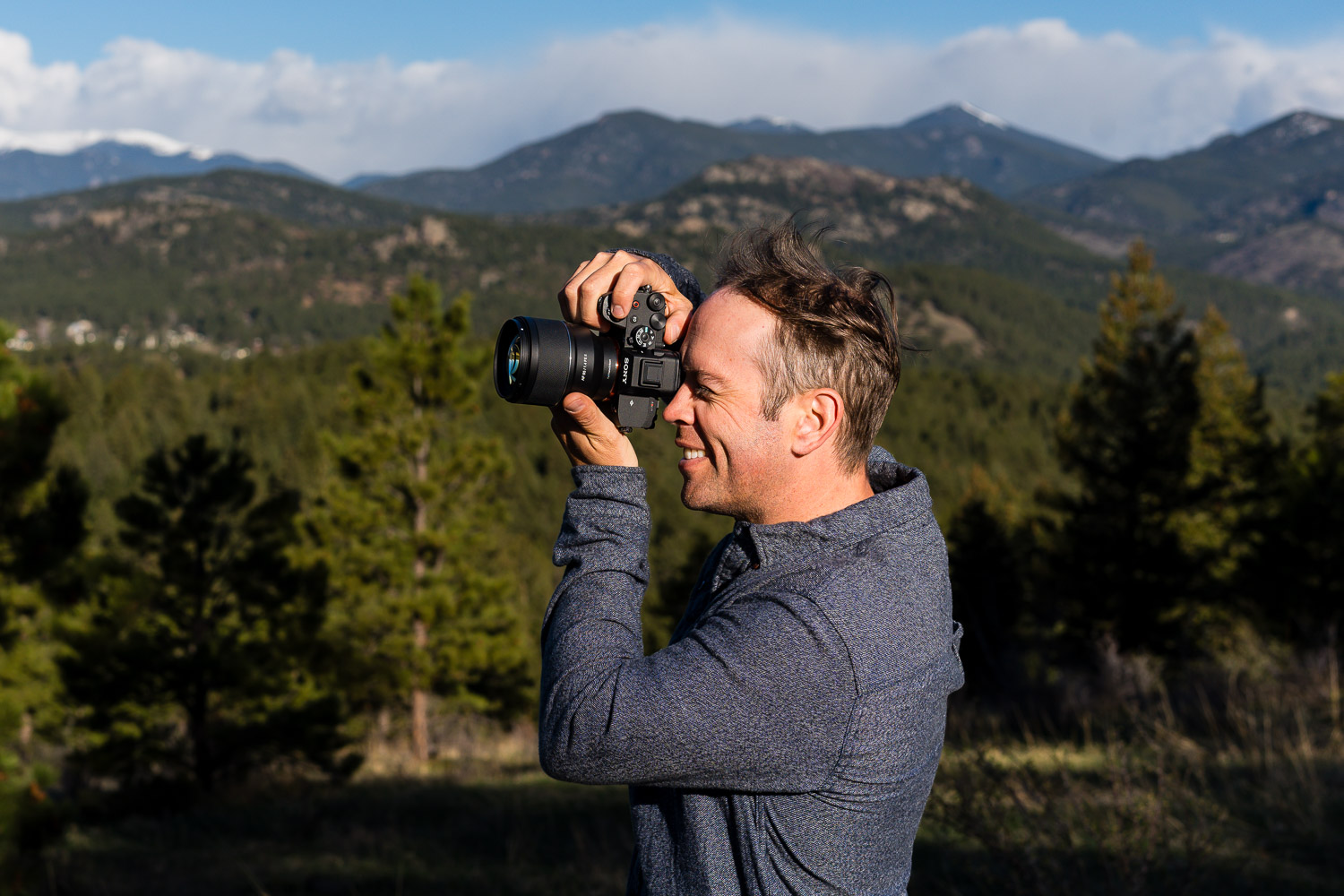
Choosing the right zoom affects how close you must get, how sharp your subject appears, and how much background you can blur. The question how much zoom do you need for wildlife photography is really a question about subject size, behavior, and safety. Bigger animals at close range need less focal length. Small or skittish subjects and birds in flight need a lot more reach.

Choosing zoom by subject
Match focal length to the animal and how close you can safely get. Below are practical ranges that reflect field experience and common practice.
- Birds on a perch or in flight
- 400mm to 600mm for medium birds.
- 600mm to 800mm or more for small songbirds or distant raptors.
- Small mammals (rabbits, foxes)
- 200mm to 400mm usually works if you can approach quietly.
- 400mm+ if you must stay far away or want tight headshots.
- Large mammals (deer, elk, bison)
- 200mm to 400mm gives good framing from a safe distance.
- 600mm if you want close portraits without approaching.
- Marine life and distant shore birds
- 400mm to 800mm often needed from shore or boat.

Source: dangerfieldsofshakopee.com
- 400mm to 800mm often needed from shore or boat.
Sensor size, crop factor, and effective reach
Sensor size changes how much zoom you effectively get from a lens. A 400mm lens on an APS-C camera gives about 1.5x reach versus full-frame. That means a 400mm on crop looks like a 600mm equivalent. So ask yourself how much zoom do you need for wildlife photography after factoring your camera’s crop. Smaller sensors can be a budget-friendly way to get extra reach. Full-frame sensors give better low-light performance and shallower depth of field, but they demand longer focal lengths for the same framing.

Prime lenses versus zoom lenses for wildlife
Both lens types have pros and cons. Picking between them comes down to priorities.
- Prime lenses
- Offer faster apertures and often better image quality.
- Force discipline: you move to frame subjects.
- Zoom lenses
- Offer flexibility to reframe quickly.
- Trade a bit of speed or sharpness for convenience.
How much zoom do you need for wildlife photography also depends on whether you value flexibility or maximum optical quality. Many pros use a mix: a long prime as their main portrait lens and a zoom for general work.

Source: rtings.com
Teleconverters, tripods, and support gear
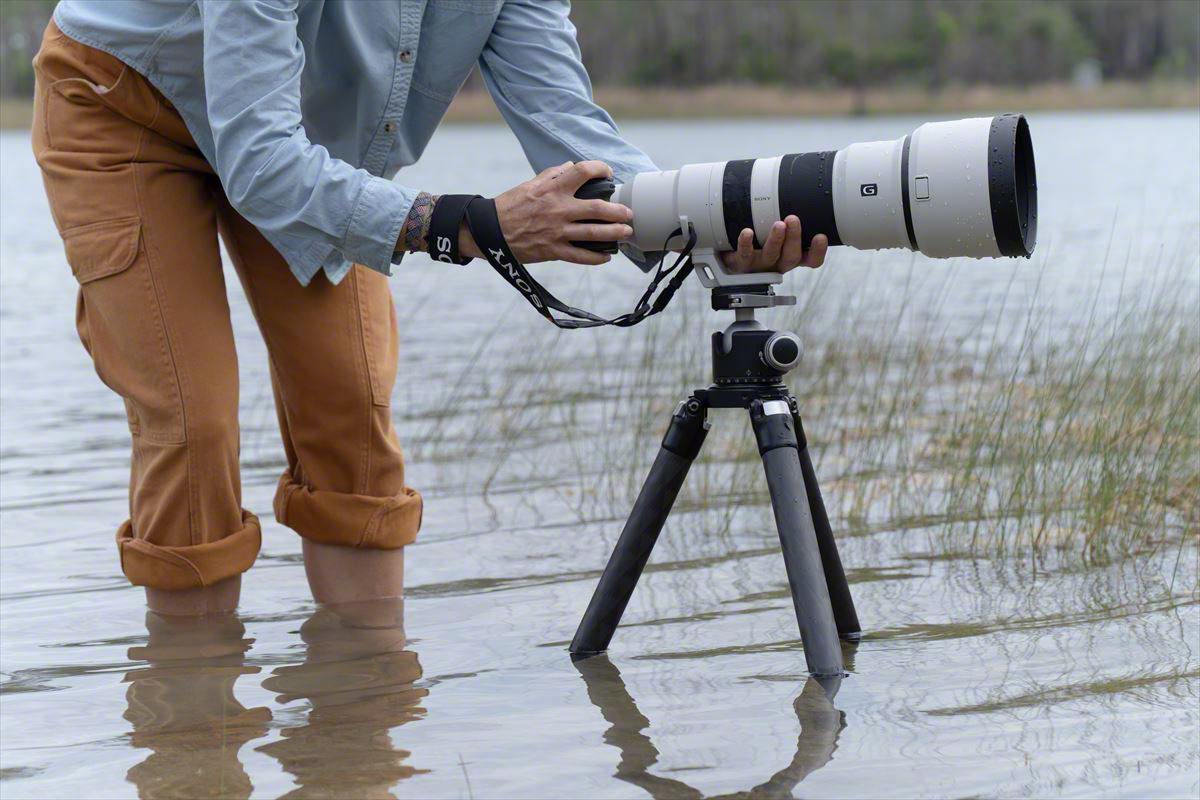
Teleconverters can extend a lens’s reach cheaply, but they reduce light and can affect autofocus. A 1.4x converter turns a 400mm to 560mm. A 2x converter doubles reach but drops two stops of light and can soften images. Ask how much zoom do you need for wildlife photography before adding converters. If you’ll routinely shoot above 400mm, use solid support.
- Tripod or gimbal head
- Reduces fatigue and stabilizes long lenses.
- Monopod
- Gives mobility and some support for handheld shooting.
- Image stabilization
- Helps when shooting handheld at long focal lengths.
Source: achrafiehcafe.com
- Helps when shooting handheld at long focal lengths.
Practical shooting tips to maximize your reach
Longer zooms do not guarantee better photos. Use technique to make reach count.
- Get closer safely
- Use blinds, natural cover, or hides to reduce distance.
- Mind your shutter speed
- Start with 1/(focal length) as a handheld rule and raise it for moving subjects.
- Use fast apertures smartly
- Wide apertures help in low light but reduce depth of field.
- Compose for context
- Sometimes a wider focal length with habitat included tells a better story.
When you think about how much zoom do you need for wildlife photography, remember that good lighting, sharp focus, and composition often matter more than an extra 100mm.
Source: compassbank.us
- Sometimes a wider focal length with habitat included tells a better story.
Gear recommendations by budget
Here are realistic lens choices across budgets. These examples help answer how much zoom do you need for wildlife photography for different users.
- Beginner (budget-conscious)
- 70-300mm zoom on APS-C or full-frame for general wildlife.
- 300mm prime if you find a good used deal.
- Enthusiast (serious hobbyist)
- 100-400mm or 150-600mm zoom for flexibility and reach.
- Add a 1.4x converter for occasional extra reach.
- Professional or dedicated
- 500mm or 600mm prime for ultimate sharpness and reach.
- 200-600mm zoom for travel flexibility.
Think about weight and transport, too. A 600mm prime may be ideal, but it can be heavy for long hikes. Balance how much zoom do you need for wildlife photography with your ability to carry and use the gear effectively.

Source: youtube.com
Personal lessons and mistakes I made
I learned quickly that longest lens isn’t always best. Early on I bought a heavy 800mm prime and rarely used it because I couldn’t hike with it. I also leaned on teleconverters too often and lost sharpness in low light. Here are practical takeaways from my fieldwork.
- Start with a 300mm to 400mm equivalent for general use.
- Use a 500mm to 600mm setup when you consistently shoot birds or distant mammals.
- Prioritize mobility for long days in the field.
When people ask me how much zoom do you need for wildlife photography, I now answer with context: pick the shortest lens that lets you safely frame your subject well.
Frequently Asked Questions of how much zoom do you need for wildlife photography
What is the minimum zoom I should get for bird photography?
For many birds, start with at least 300mm on a full-frame or 200mm on crop sensors. For small birds or distant raptors, 400mm to 600mm is often necessary.
Can I shoot wildlife well with a 70-200mm lens?
Yes, 70-200mm can work for large mammals and close encounters. But you will struggle with small birds and distant subjects.
Do teleconverters ruin image quality?
They reduce light and can soften images, especially with 2x converters. A high-quality 1.4x converter on a fast lens often gives a good balance.
Is it better to use crop-sensor cameras for reach?
Crop sensors give effective extra reach and can be cost-effective. Full-frame cameras usually perform better in low light and give smoother background blur.
How much zoom do I need for safari or marine wildlife?
For safari, 300mm to 600mm covers most shots. For marine or shore birds from a distance, aim for 400mm to 800mm if possible.
Should I prioritize aperture or focal length?
Both matter. Prioritize focal length for reach, then aperture for light and autofocus performance. A fast 400mm prime is ideal but costly.
Conclusion
Choosing how much zoom do you need for wildlife photography starts with the subjects you shoot and how close you can safely get. Aim for a practical balance: 300mm to 600mm covers most needs, crop sensors can extend reach, and support gear improves results. Test lenses in the field, prioritize mobility, and refine your choices as your shooting style evolves. Try one change at a time—rent a lens, test a converter, or swap camera bodies—and see how your images improve. Share your results, ask questions, or subscribe to follow more practical tips and gear guides.

