Have you ever wondered if you can use a telescope as a spotting scope? Maybe you already own a telescope and are curious if it can double up for birdwatching, hiking, or other outdoor activities.
Understanding the differences and similarities between these two tools can save you money and help you get the most out of your gear. Keep reading, because by the end of this article, you’ll know exactly when and how a telescope can serve as a spotting scope—and when it’s better to stick with the real thing.
Your next outdoor adventure could depend on it!

Differences Between Telescopes And Spotting Scopes
Telescopes and spotting scopes both help to see distant objects clearly. They serve different purposes and have unique features. Understanding their differences helps to choose the right tool for your needs.
Design And Build
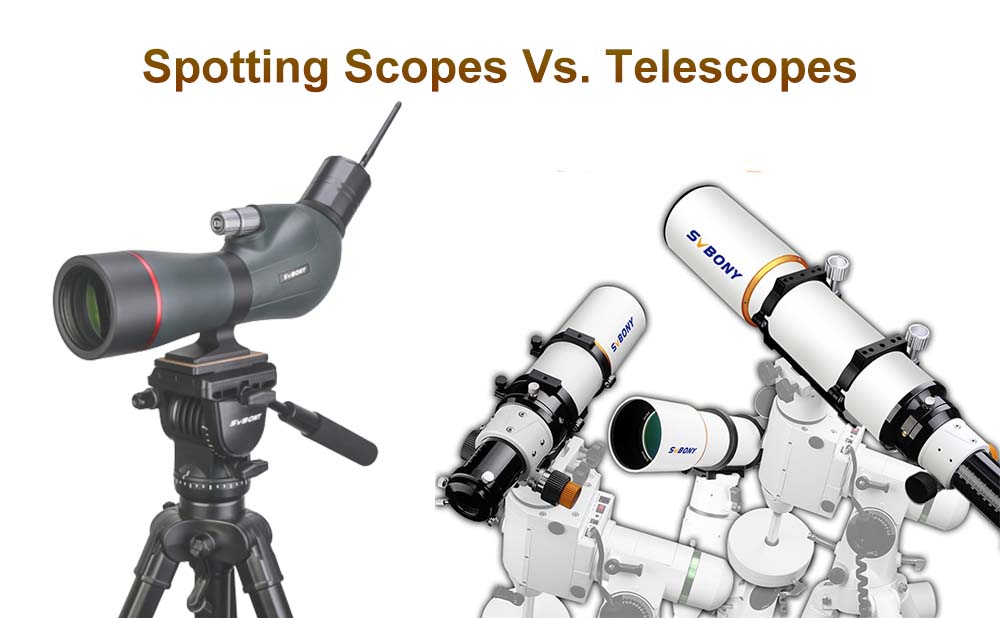
Telescopes usually have a larger, heavier design. They are built mainly for viewing space objects. Spotting scopes are smaller and lighter. They are made for outdoor use, like bird watching or hiking. Spotting scopes often have a rugged build to handle rough conditions.
Magnification And Optics
Telescopes offer higher magnification than spotting scopes. They focus on fine details of stars and planets. Spotting scopes have lower magnification but clearer images for nearby objects. Their optics are designed for daylight use, giving sharper and brighter views of landscapes.
Portability And Durability
Spotting scopes are easy to carry and set up quickly. Their compact size makes them perfect for travel. Telescopes need stable mounts and take longer to assemble. They are less durable in harsh outdoor environments. Spotting scopes handle weather and rough use better than telescopes.
How Telescopes Work
Understanding how telescopes work helps to see if they can serve as spotting scopes. Telescopes collect light and focus it to create a clear image of distant objects. They differ from spotting scopes in design and use, but share some key features.
Types Of Telescopes
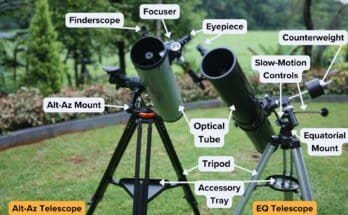
There are three main types of telescopes: refractors, reflectors, and compound. Refractors use lenses to bend light. Reflectors use mirrors to bounce light. Compound telescopes combine lenses and mirrors for better images. Each type has strengths for different viewing needs.
Field Of View And Image Quality
Telescopes usually have a narrow field of view. This means they show a small area in high detail. Spotting scopes have a wider view, good for scanning land or birds. Image quality depends on the telescope’s lens or mirror size. Larger lenses gather more light and show clearer images.
Focusing Mechanisms
Telescopes use focus knobs or rings to sharpen the image. The user adjusts focus based on the object’s distance. Some telescopes have fine and coarse focus controls. Spotting scopes often have simple focus systems for quick adjustments. Proper focus is key for clear viewing.
Spotting Scope Features
A spotting scope is a special kind of telescope. It is designed to help you see things clearly at a distance. Unlike regular telescopes, spotting scopes are made for different uses and conditions. They have features that make them easy to carry and use outside. These features help people like bird watchers, hunters, and outdoor lovers.
Understanding these features can help you decide if a telescope can work as a spotting scope. Let’s look at what makes spotting scopes unique.
Intended Uses
Spotting scopes are made for land viewing. They help you see birds, animals, and faraway objects. Hunters use them to find targets. Bird watchers use them to watch birds without disturbing them. They are also popular for hiking and outdoor trips. Spotting scopes give clear views of things on the ground. Telescopes, on the other hand, are mainly for looking at the sky.
Optical Performance
Spotting scopes have lower magnification than telescopes. This helps keep the image stable and easy to see. They also offer good color and sharpness. Many spotting scopes have zoom lenses. This lets you change the magnification smoothly. They use special lenses to reduce glare and improve clarity. Telescopes have higher magnification but can be harder to use for close viewing.
Weather Resistance
Spotting scopes are made to work outdoors. They often have waterproof and fog-proof bodies. This protects them from rain, dust, and cold. Many use rubber coatings to protect from bumps and drops. These features make spotting scopes reliable in many weather conditions. Telescopes usually do not have this level of protection. They need careful handling and are not as tough outside.
Using A Telescope As A Spotting Scope
A telescope can serve as a spotting scope in many cases. Both tools share similar parts like lenses and eyepieces. A telescope usually has higher magnification. Spotting scopes are designed for quick use and portability. Using a telescope as a spotting scope may work well outdoors.
This approach suits birdwatching, nature observation, and target shooting. Choosing the right telescope and setup matters a lot. Understanding the strengths and limits helps you get the best experience.
Advantages And Limitations
Telescope offers strong zoom power for distant views. It can show finer details than many spotting scopes. Telescopes often have larger lenses, letting in more light. This helps in low-light conditions like dawn or dusk.
Spotting scopes are lighter and easier to carry. Telescopes tend to be bulkier and heavier. They often need stable tripods for steady images. Some telescopes lack features like angled eyepieces, common in spotting scopes. This can make them harder to use for long periods.
Practical Considerations
Check if the telescope supports quick focusing. Spotting scopes usually have smooth, fast focus controls. A telescope with interchangeable eyepieces offers flexibility. Choose one with good eye relief for comfort.
Consider size and weight for your outdoor activities. Portability matters when hiking or traveling. A sturdy tripod improves stability and viewing quality. Make sure your telescope setup suits your typical observation spots.
Common Scenarios
Birdwatchers can use telescopes for spotting distant birds. The high magnification reveals small features and colors. Hunters may use telescopes to view targets far away. They provide clear images at long range.
Nature lovers enjoy watching wildlife in open fields. Telescopes help spot animals without disturbing them. Target shooters can check accuracy from a distance. Telescopes show target details for better feedback.
Expert Recommendations
Experts have clear advice on using telescopes and spotting scopes. Each device fits different needs and situations. Knowing when to use which tool helps you get the best views. This section shares simple tips from specialists.
When To Choose A Telescope
Pick a telescope for deep sky viewing. It works well for planets, stars, and the moon. Telescopes offer higher magnification and detail. They are best for night use and distant objects. Use a telescope if you want to explore space.
When To Opt For A Spotting Scope
Spotting scopes suit daytime activities. Bird watching, hunting, and nature observation benefit from them. They are compact and easy to carry. Spotting scopes offer a wider view and quicker setup. Choose one for outdoor adventures and land viewing.
Tips For Best Results
Stabilize your device with a good tripod. Use the right eyepiece for your target. Adjust focus slowly for clear images. Avoid using a telescope for fast-moving subjects. Clean lenses gently to keep views sharp. These tips improve your viewing experience.

Alternative Options For Outdoor Viewing
Finding the right tool for outdoor viewing can be tricky. Telescopes are great for the night sky but may not work well for daytime spotting. Several other options offer clear views and are easy to carry. These tools suit birdwatching, hiking, and other outdoor activities.
Binoculars
Binoculars provide a wide view and easy handling. They use two lenses, one for each eye, giving depth and better focus. Their compact size fits well in backpacks. Binoculars work well for watching birds, animals, and sports events.
Monoculars
Monoculars are small and lightweight. They use one lens, making them simpler than binoculars. Monoculars are easy to hold and quick to use. Great for quick spotting and short trips. They fit easily in pockets or small bags.
Digital Spotting Devices
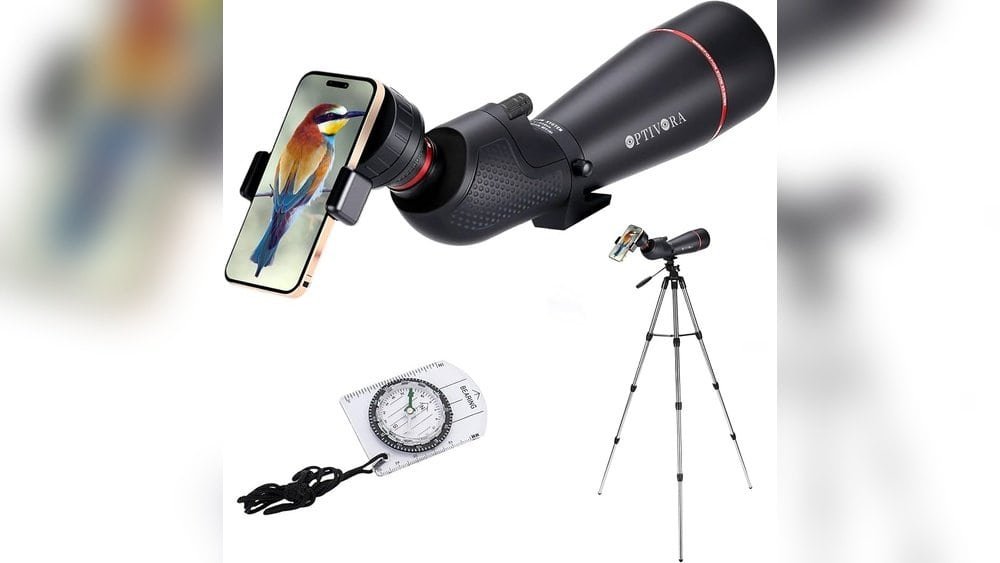
Digital spotting devices use cameras and screens for viewing. They can zoom in and capture photos or videos. Some models connect to smartphones for sharing images. These devices work well in low light and tough weather. They add extra features beyond simple magnification.
Frequently Asked Questions
Can A Telescope Replace A Spotting Scope Effectively?
A telescope can sometimes act as a spotting scope but lacks portability and ease of use. Spotting scopes are designed for quick target acquisition and outdoor use, while telescopes focus on high magnification and stability for celestial viewing.
What Are The Main Differences Between Telescope And Spotting Scope?
Telescopes offer higher magnification and are bulkier, ideal for astronomy. Spotting scopes are compact, portable, and designed for terrestrial viewing with wider fields of view and better color correction.
Is A Telescope Suitable For Birdwatching Or Wildlife Observation?
Telescope use for birdwatching is limited due to size and slow target tracking. Spotting scopes are better suited because they are portable, lightweight, and provide clearer images for observing animals.
Can You Use Telescope Eyepieces On A Spotting Scope?
Telescope eyepieces are often incompatible with spotting scopes due to different mounts and focal lengths. Using them may result in poor image quality or difficulty in focusing.
Conclusion
A telescope can work as a spotting scope in some cases. Both tools help you see distant objects clearly. Telescopes offer higher magnification but can be harder to handle. Spotting scopes are lighter and easier to move around. Choosing the right tool depends on your needs.
For nature watching, a spotting scope is often better. For stargazing, a telescope is the best choice. Think about what you want to see before picking one. This helps you enjoy your viewing experience more.