Practice wildlife photography at home by observing local wildlife, using props, adjusting light, and refining camera settings.
I’ve spent years photographing birds, squirrels, and backyard insects. I’ll show clear, practical steps on how to practice wildlife photography at home. You’ll get gear tips, exercises, ethical rules, and real examples from my shoots. This guide is for beginners and hobbyists who want steady progress without long field trips.
Why practice wildlife photography at home?
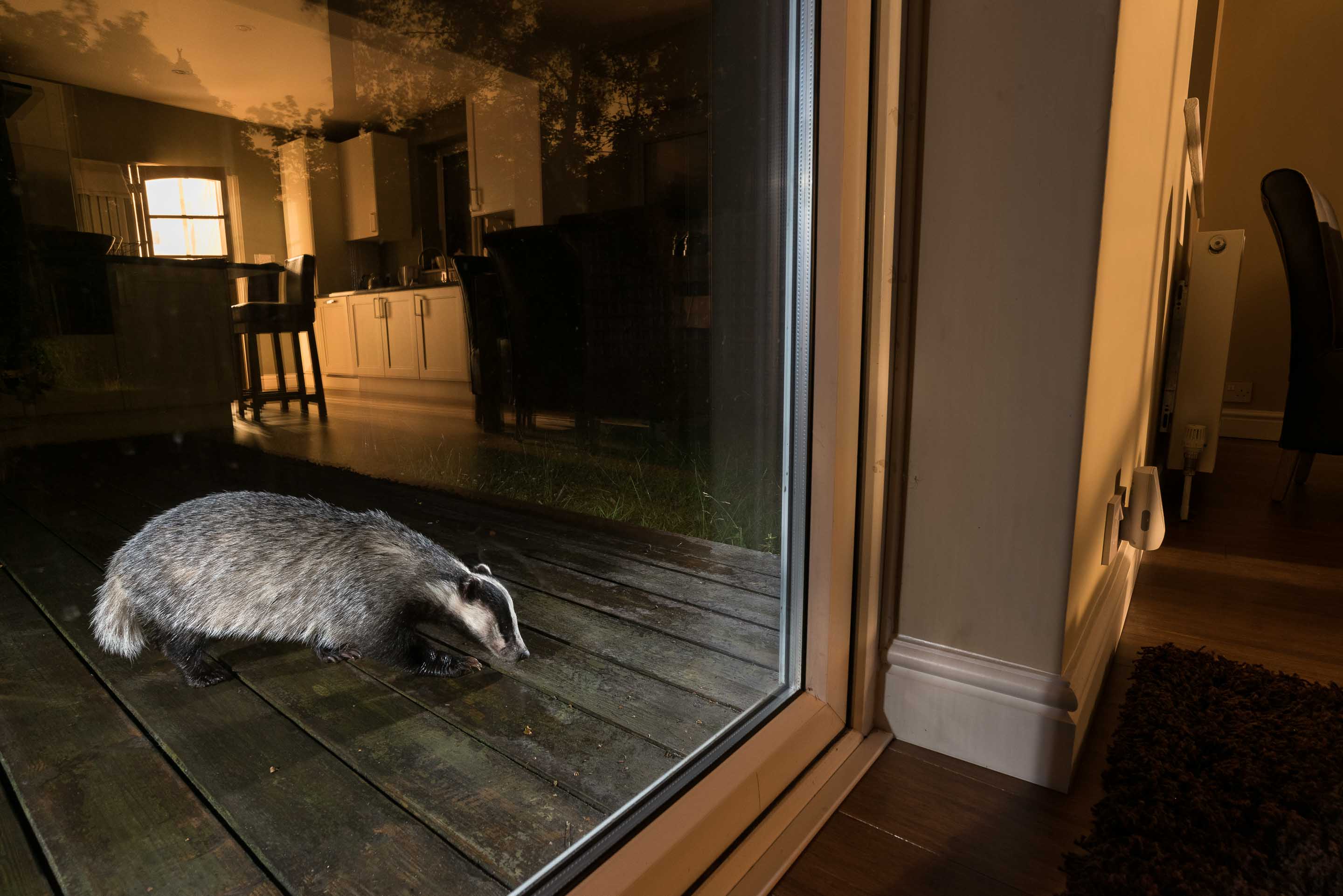
Practicing at home builds skills fast. You learn to read behavior, set exposure, and frame action. Home practice saves time and cuts costs. It also lets you focus on technique without travel stress. If you want steady improvement, practicing how to practice wildlife photography at home is one of the smartest moves you can make.
17% off Today’s Exclusive Deals
Limited-time Exclusive Deals. Check current discount on Amazon.
Check Price on Amazon As an Amazon Associate I earn from qualifying purchases.
Essential gear and simple home setup
You do not need pro gear to start. A camera with manual mode works fine. A zoom lens helps for distant subjects. A tripod makes steady shots easier. A fast lens helps with low light and motion.
- Camera options: Use a DSLR, mirrorless, or a good compact with manual settings.
- Lenses: A 70-300mm or 55-200mm zoom works well for backyard birds and mammals.
- Tripod and beanbag: Stabilize the camera for sharper images.
- Remote shutter or timer: Prevents shake when you press the shutter.
- Simple hide or blind: Use a chair, curtain, or small pop-up hide to stay hidden.
I started with an old crop-sensor camera and a cheap 55-250mm lens. I learned composition, tracking, and patience before upgrading gear. That early work improved my field pictures more than buying a new lens ever did.

17% off Today’s Exclusive Deals
Limited-time Exclusive Deals. Check current discount on Amazon.
Check Price on Amazon As an Amazon Associate I earn from qualifying purchases.Simulating wildlife behavior and scenes at home
You can mimic wild scenarios indoors and outdoors. Use feeders and water sources to attract birds. Place small toys, mirrors, or props to provoke curiosity. Record short videos to study movement and timing.
- Set up feeders: Hang seed or suet feeders at varied heights.
- Create a water source: A shallow dish or birdbath draws attention.
- Use props: Branches, leaves, and stones make scenes look natural.
- Motion triggers: Use string pulls or low-cost remote feeders to create action.
- Backyard rotation: Move props each week to simulate different habitats.
I once used a motion-activated bird feeder to practice action shots. I learned to dial shutter speeds and anticipate wingbeats. These small experiments teach timing and focus.

Practice techniques and daily exercises
Practice in short, focused sessions. Repetition beats long, aimless shoots.
17% off Today’s Exclusive Deals
Limited-time Exclusive Deals. Check current discount on Amazon.
Check Price on Amazon As an Amazon Associate I earn from qualifying purchases.- Exercise 1 — Focus tracking: Track a flying bird across the yard. Shoot in burst mode for 30 seconds. Review frames for focus consistency.
- Exercise 2 — Composition drills: Take 10 images of the same subject using different crops and angles. Compare which composition tells the best story.
- Exercise 3 — Low light practice: Shoot at dawn or dusk to learn ISO and noise control.
- Exercise 4 — Macro practice: Photograph insects or flowers to master depth of field and manual focus.
- Exercise 5 — Behavioral timing: Note the time when certain actions happen (feeding, bathing) and be ready.
I build drills into my week. On Monday I focus on exposure and shutter speed. On Wednesday I practice composition. This routine made my work sharper and faster.
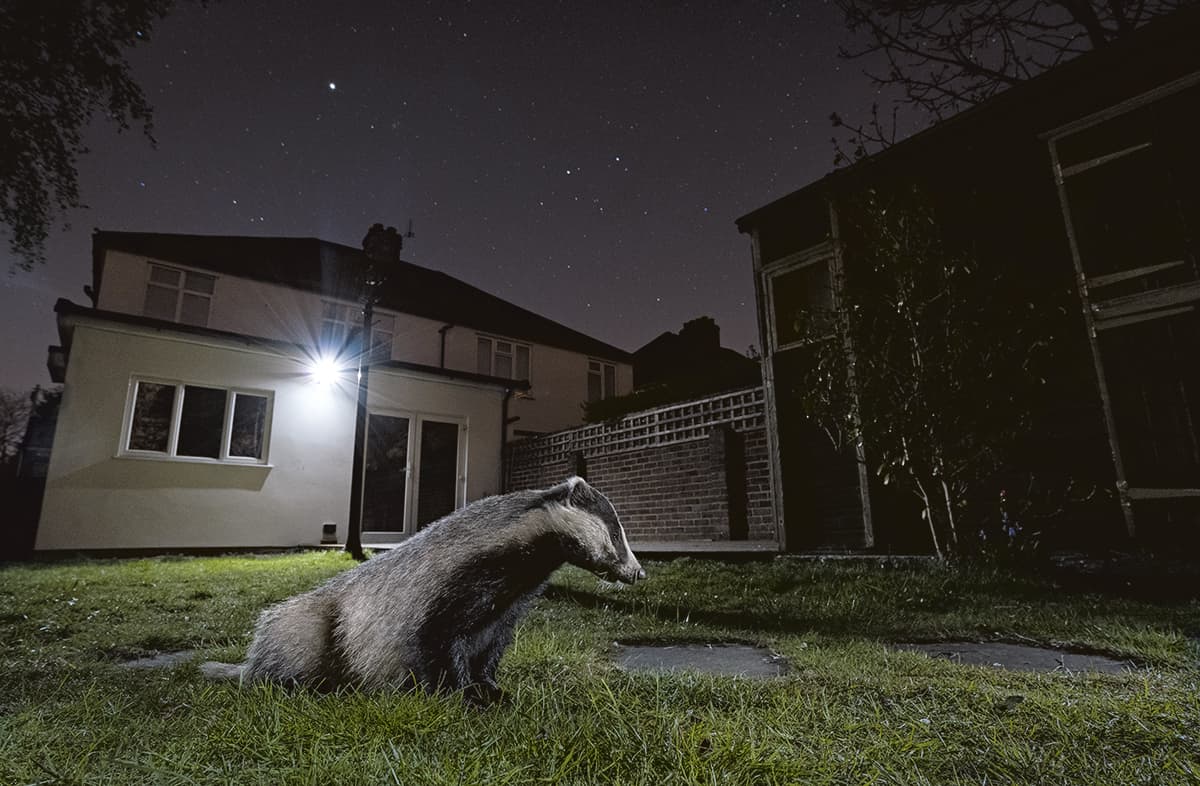
Lighting, camera settings, and composition
Good light and simple settings give consistent results. Learn a few go-to camera settings. Then tweak as needed.
- Shutter speed: Use 1/1000s or faster for birds in flight. For perched subjects, 1/500s often works.
- Aperture: Use f/5.6–f/8 for balanced depth of field on smaller birds. For blurred backgrounds, open the aperture.
- ISO: Raise ISO to keep shutter speed fast. Use noise reduction in post if needed.
- Autofocus modes: Use continuous AF for moving subjects and single AF for stills.
- Composition rules: Use the rule of thirds, leave space in the frame for movement, and focus on the eye.
I once chased backlit shots until I learned to expose for the subject and brighten shadows in post. That simple change turned many underexposed images into keepers. Practicing these settings at home helps you react quickly in the wild.

Post-processing, critique, and workflow
Editing is part of learning. A consistent workflow speeds improvement.
- Organize: Sort images by shoot and rating. Delete clear misses.
- Basic edits: Adjust exposure, contrast, and color first. Crop for stronger composition.
- Sharpening and noise: Apply selectively to retain natural look.
- Compare and learn: Keep before-and-after pairs to track progress.
- Solicit feedback: Share with a community or mentor for critique.
I keep a folder of “lessons” where I save mistakes. Reviewing them taught me composition and timing faster than any book. Honest critique is gold.
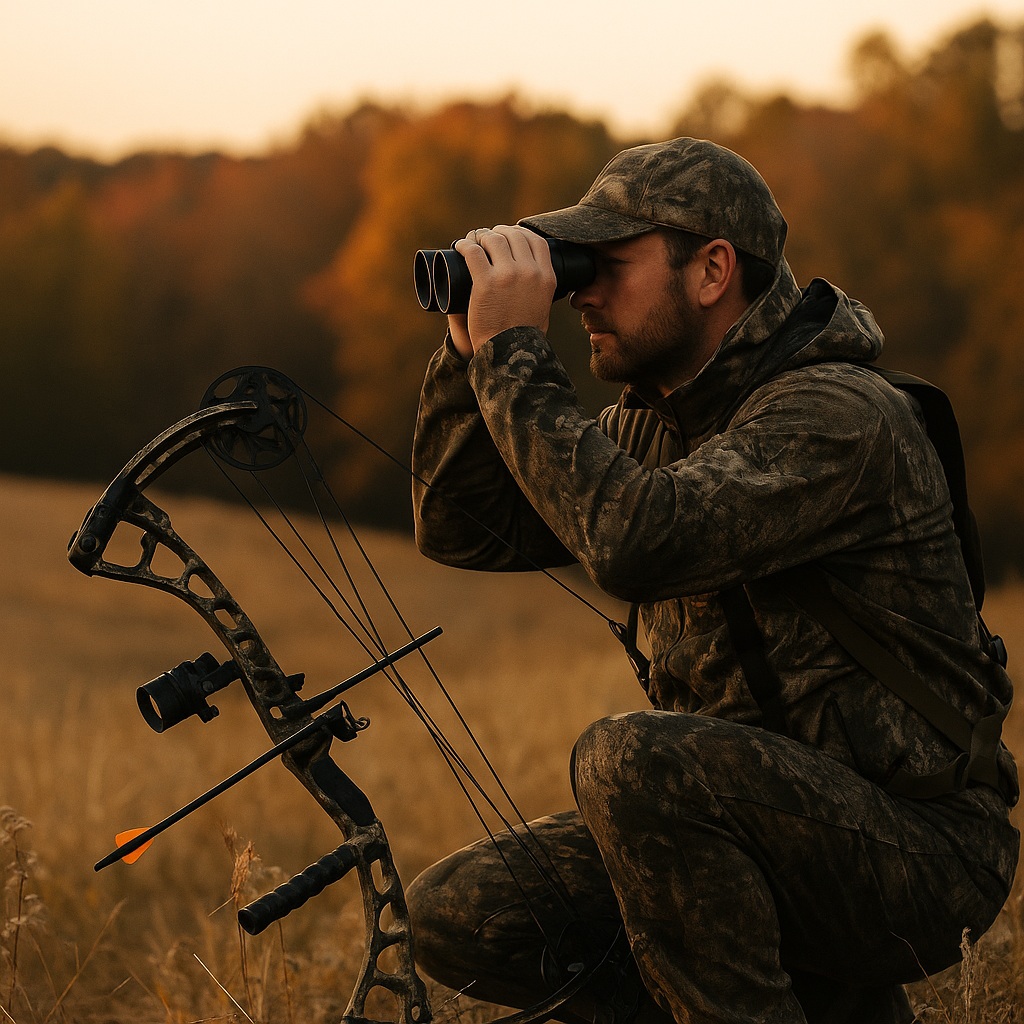
Patience, observation, and ethical rules
Wildlife photography at home still needs respect. Observe animals. Do not disturb nesting sites or harm habitat. Small changes matter.
- Keep distance: Use longer lenses instead of approaching closely.
- Limit feedings: Feeders can alter behavior; use them responsibly.
- Respect seasons: Avoid disturbing nests and young birds.
- Record notes: Log time, weather, and behavior to spot patterns.
Learning how to practice wildlife photography at home means learning patience. I once learned that a shy bird takes three weeks to trust a new feeder. That waiting time taught me more than one fast shoot ever did.
Frequently Asked Questions of how to practice wildlife photography at home
How can I attract wildlife to my backyard safely?
Use native plants and a small water source to create a safe habitat. Avoid overfeeding and keep pets away during peak wildlife times.
What camera settings should I start with for birds?
Start with shutter speed 1/1000s, aperture f/5.6, and ISO 800. Adjust as light changes to maintain a fast shutter.
Can I practice wildlife photography at home without a long lens?
Yes. Use cropping, move closer with care, or practice macro and behavioral shots. Short lenses teach composition and timing.
How often should I practice to see improvement?
Short daily sessions of 20–30 minutes work better than long, rare shoots. Consistency builds skill quickly when practicing how to practice wildlife photography at home.
Is it ethical to use bait or calls to attract animals?
Use bait and calls sparingly and only when they don’t harm animals or change their natural habits. Know local rules and avoid nesting seasons.
How do I keep wildlife safe while practicing?
Keep a respectful distance, limit human contact, and secure pets. Remove hazards like loose netting or toxic plants.
What are simple exercises to improve focus and timing?
Use burst mode on a moving subject, practice panning with a slow shutter, and time shots during feeding for predictable action.
Conclusion
You can make real progress without leaving home. Practice camera settings, study behavior, and create small, varied setups. Keep sessions short and focused. Respect wildlife and learn from each mistake. Start today: set up one exercise, shoot for 20 minutes, and review your images. Share your progress or ask a question to keep improving.