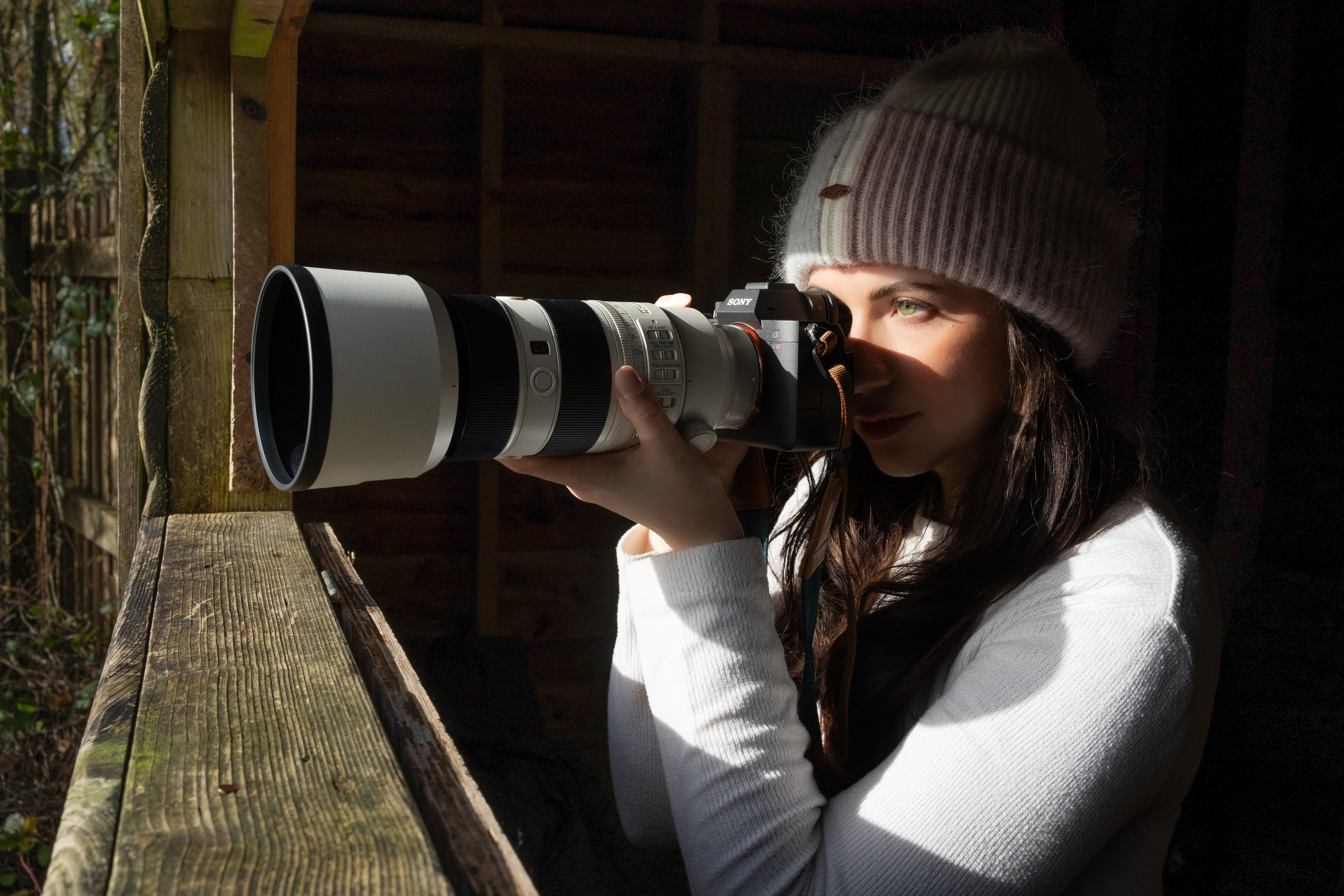
Stay far enough to avoid stress—use long lenses and never let curiosity harm wildlife.
I have spent over a decade photographing wild animals in forests, deserts, and coasts. I know when to step back, when to wait, and how close you should get to wildlife when photographing without risking harm or legal trouble. This guide blends field-tested tips, science-backed rules, and simple gear advice so you can capture great photos while keeping animals safe and calm.
Why distance matters for wildlife photography
Keeping the right distance is about safety, ethics, and better pictures. When you know how close should you get to wildlife when photographing, you protect the animal, yourself, and your gear.
17% off Today’s Exclusive Deals
Limited-time Exclusive Deals. Check current discount on Amazon.
Check Price on Amazon As an Amazon Associate I earn from qualifying purchases.Wild animals can react to close humans in ways you may not see at first. Stress can change animal behavior, harm parents and young, and cause flight or aggression. A calm animal often gives the best photo, so distance helps image quality too.
When you ask how close should you get to wildlife when photographing, think about species, season, and context. A nesting bird needs more space than a grazing deer. Use distance to reduce impact and to follow law and best practices.

Core rules: safe distances and simple guidelines
Follow clear rules that work in most situations. These make it easier to know how close should you get to wildlife when photographing without guessing.
17% off Today’s Exclusive Deals
Limited-time Exclusive Deals. Check current discount on Amazon.
Check Price on Amazon As an Amazon Associate I earn from qualifying purchases.- Stay back if the animal changes behavior when you approach.
- Give mammals at least 50 to 200 feet when uncertain.
- Double that for predators, marine mammals, and animals with young.
- Use a long lens instead of moving closer.
A few quick ranges to memorize help in the field. These are general and vary by species and region. But they guide you when you must decide how close should you get to wildlife when photographing.
- Small birds and songbirds: 30–50 feet or more, avoid nests.
- Deer and elk: 50–100 feet, more at calving time.
- Bears and big cats: 200–300 feet or more.
- Marine mammals (seals, whales): 100–300 feet, follow local rules.
How behavior and season change limits
Animals are not static. Their needs change with seasons, mates, and young. Your decision about how close should you get to wildlife when photographing must change too.
Breeding and nesting seasons demand extra space. Mothers with young are more likely to defend or flee. If an animal freezes, looks toward you, or vocalizes, you are too close. Back away quietly and retreat to a safe distance.
17% off Today’s Exclusive Deals
Limited-time Exclusive Deals. Check current discount on Amazon.
Check Price on Amazon As an Amazon Associate I earn from qualifying purchases.Weather and habitat matter. In the heat, animals may be tired or stressed. In winter, they have less energy to escape. I learned to stop approaching when a fox raised its tail and stared; that was the sign I was too close, and I left.

Gear and techniques for distance photography
You do not need to be inches from an animal to get strong images. The right gear and technique let you answer how close should you get to wildlife when photographing with confidence.
- Use telephoto lenses. A 300mm to 600mm lens gives tight frames while keeping distance.
- Use a tripod or monopod for steady, sharp shots from far away.
- Learn to compose with negative space. Being farther often makes cleaner backgrounds.
- Use focus modes that track movement. Remote triggers and hide setups help too.
I often work with a 600mm lens and a bean bag. This setup kept me 100+ feet away from an eagle nest and still let me capture dramatic behavior. Practice with gear at home so you know what distance works for the look you want.

Ethical and legal considerations
Ethics and law go hand in hand when deciding how close should you get to wildlife when photographing. Break either and you risk fines, stress to animals, or worse.
Many parks and protected areas have rules about proximity to wildlife. Marine and migratory species often have strict limits. Follow posted rules and local guidelines. If a ranger gives direction, comply.
Ethically, do not bait or lure animals for photos. Avoid flash near nesting birds and reduce noise. Ask yourself: would this animal do the same thing if I were not here? If the answer is no, you are too close.
Personal stories and lessons learned
Real field moments teach more than rules. I once crept toward a shorebird to get a low shot. The adult abandoned the nest for over an hour. I still regret that image. That taught me to value a bird’s safety over a single frame.
Another time, I used a long lens to photograph a moose. From 150 feet, I watched calm behavior and captured a wide range of actions. I learned that patience and distance often yield better storytelling photos.
Tip from experience: set a personal minimum distance before you start. If I plan to photograph a fox, I tell myself no closer than 50 feet. That rule keeps me honest in the field.

Practical field checklist
Use a checklist to answer how close should you get to wildlife when photographing in real time. Keep it short and visible.
- Know species-specific rules before you go.
- Bring a long lens and a stable support.
- Watch for signs of stress: staring, calls, freezing, or retreat.
- Avoid getting between a parent and its young.
- Back off slowly if the animal notices you.
This checklist has saved me stress and fines more than once. Keep it simple and follow it every shoot.

Common mistakes and how to avoid them
Many photographers learn the hard way. Knowing common errors helps you avoid them when deciding how close should you get to wildlife when photographing.
- Mistake: closing distance to "get the shot" when an animal is alert. Avoid by using a longer lens.
- Mistake: baiting animals. Avoid by relying on patience and natural behavior.
- Mistake: ignoring local rules. Avoid by checking park guidelines before shooting.
Each mistake can harm an animal or end your access to a site. I once watched a peer lose permit privileges after repeated close approaches. Follow the rules and think long term.
When exceptions apply
There are times you can safely get closer. Trained, permitted researchers and wildlife handlers work up close under strict controls. For most photographers, exceptions are rare.
If you have a permit or you work with a guide who knows the area and species, follow their rules. Even then, watch behavior closely. Never assume immunity because you have equipment or permissions.
For street or urban wildlife, rules vary more. Still ask the same question: would this animal change behavior if I were not here? Let that guide how close should you get to wildlife when photographing.
Frequently Asked Questions of how close should you get to wildlife when photographing
How close can I get to birds without stressing them?
Keep at least 30–50 feet from birds in most cases, and much more near nests. If the bird changes behavior or leaves the nest, you are too close.
Is it okay to use playback or calls to attract animals?
Playback can stress animals and alter natural behavior, so avoid it for most wildlife. Use it only when permitted for research and with expert guidance.
Can I approach marine mammals on the shore?
Give marine mammals 100–300 feet and follow local rules. Do not enter the water or use boats to close distance unless you have specific permits.
What lens should I use to stay safe but still get close shots?
A 300–600mm telephoto lens or a 1.4x/2x teleconverter lets you stay back and still fill the frame. Test gear beforehand to know how far you need to be.
How do I judge distance in the field?
Use landmarks, steps, or rangefinders to estimate distance. If unsure, err on the side of more space; animals often need more room than we think.
Conclusion
Respect for wildlife is the core of great wildlife photography. When you know how close should you get to wildlife when photographing, you protect animals, stay safe, and improve your images. Use long lenses, watch behavior, follow rules, and set personal limits. Start your next shoot with a clear distance plan, be patient, and let the animal set the pace. Share your best respectful shots, subscribe for more field tips, or leave a comment with your own distance rules.