Best light for wildlife photography is the low, warm glow at dawn and dusk — the golden hours.
I have spent years chasing birds, mammals, and reptiles across parks and wild places. I will show you why the golden hours matter, how to use blue hour and night light, and how to plan for the best shots. This guide answers what is the best time of day for wildlife photography with clear steps, gear tips, and real field notes so you can get better images on your next outing.

Why the time of day matters for wildlife photography
Light shapes mood and detail. Animals move on a schedule. Weather and temperature change animal behavior. These facts make time of day the single biggest factor in getting strong wildlife photos. When you ask what is the best time of day for wildlife photography, you are really asking when animals are active and light is flattering.
Good light reduces noise and makes colors sing. Low light near sunrise and sunset gives soft shadows and warm tones that make fur and feathers look rich. Also, many species are most active at dawn and dusk, so you get more chances for natural behavior.

Best times: dawn and dusk (the golden hours)
Dawn and dusk are the classic answers to what is the best time of day for wildlife photography. These times offer:
- Soft, warm light that flatters textures and colors.
- Long shadows that add depth to scenes.
- Higher animal activity as many species feed and move.
- Lower human disturbance in parks and reserves.
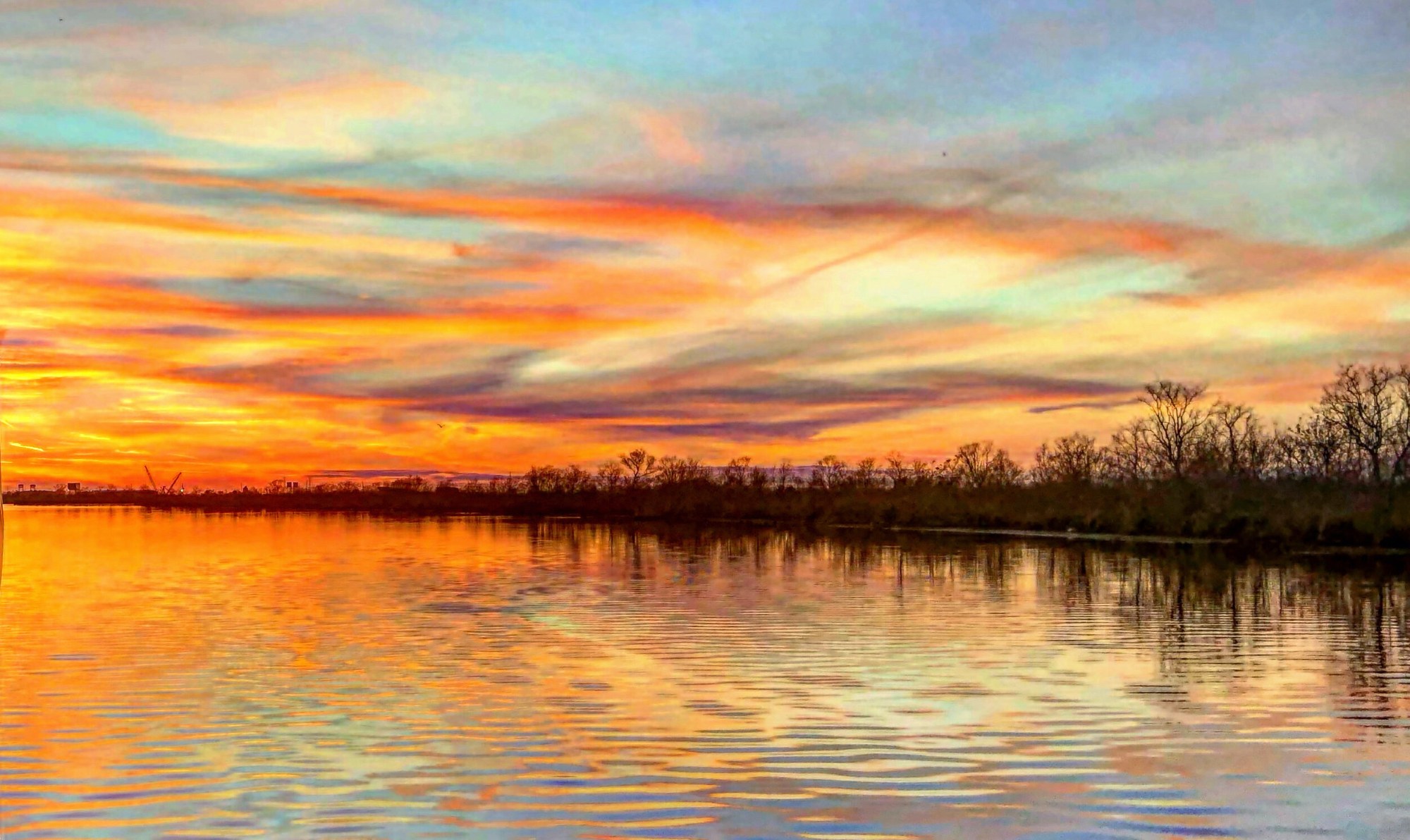
I remember a morning mallard shoot at dawn. The mist rose. The light hit the water like gold. The ducks fed close to shore. Those images would not exist at noon. Aim to arrive 30–60 minutes before sunrise or stay 30–60 minutes after sunset to capture peak golden-hour light.

Blue hour and pre-dawn opportunities
Blue hour gives a cool, moody look that fits nocturnal and crepuscular species. The sky is deep blue and even. Use blue hour for silhouettes, reflections, or subjects with bright eyes. For owls, foxes, and bats, pre-dawn is often prime time.
When you wonder what is the best time of day for wildlife photography and your subject is active at night, shift your plan to blue hour and early dawn. Pack a fast lens and a sturdy tripod for these low-light moments.
Midday and harsh light: when to avoid or adapt
Midday often answers the question what is the best time of day for wildlife photography with "not usually." The sun is high and hard, causing blown highlights and flat shadows. Animals often rest during this time, so you may see less action.
If you must shoot midday:
- Seek shade to get even lighting.
- Use fill flash or a reflector for small subjects.
- Focus on behavioral shots in open habitat where animals are active.
- Convert to graphic silhouettes when light is too harsh.
Midday can work for birds in flight when you want high shutter speeds and bright light. Still, plan around the midday sun whenever possible.
Night and crepuscular photography
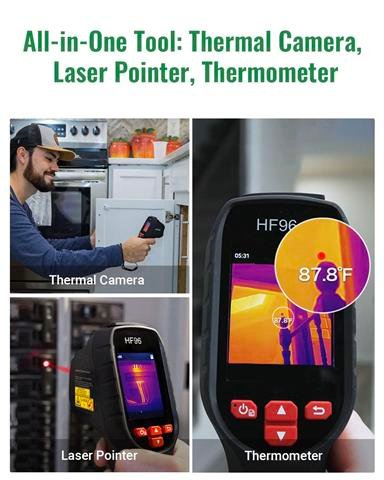
Night photography opens new possibilities. Many predators and many small mammals are active at night or at twilight. Use a high ISO, wide aperture, and fast lens. Infrared or thermal gear helps detect animals in dense cover.
Remember that safety and ethics matter. Use dim red light for tracking. Avoid shining bright beams directly at animals. When asking what is the best time of day for wildlife photography for nocturnal species, think night and twilight, not daylight.
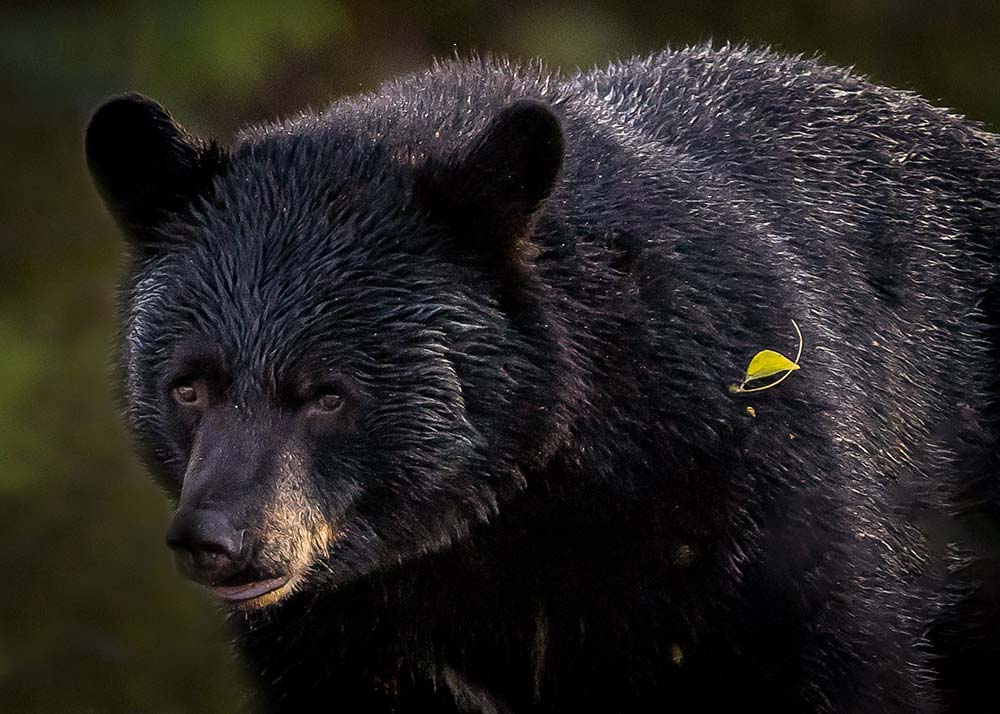
Planning, scouting, and practical tips
Good timing is planned. To answer what is the best time of day for wildlife photography, follow these steps:
- Research species habits to know peak activity times.
- Scout locations at the time you plan to shoot to learn backgrounds and access.
- Check weather and moon phase; these affect light and behavior.
- Arrive early and stay late; animal schedules shift with season.
- Bring layers, snacks, and a headlamp for safe movement.
Personal note: once, I missed a fox den by arriving too late. After that I started scouting a week in advance. Planning made my next visit productive and peaceful.

Gear and settings for each time window
Match gear to light and subject. Here are simple settings and gear tips tied to time of day and your question about what is the best time of day for wildlife photography:
-
Dawn/Dusk
- Lens: 300mm or longer for shy subjects.
- Settings: wide aperture (f/4–f/6.3), shutter 1/500s+ for moving animals, ISO as needed.
- Bring a monopod or tripod for stability.
-
Blue hour/Night
- Lens: fast prime or wide aperture zoom.
- Settings: wide open aperture, shutter speed balanced with ISO and stabilization, 1/125s+ for small motion.
- Carry headlamp and extra batteries.
-
Midday
- Lens: versatile zoom.
- Settings: lower ISO, higher shutter speed, use fill flash if needed.
- Use polarized filter to cut glare.
Always check backgrounds and focus points. A clean background and eye focus beat sharpness on the body every time.

Common mistakes and how to avoid them
Avoid these errors when deciding what is the best time of day for wildlife photography:
- Showing up at the wrong hour. Check species habits first.
- Chasing light and missing behavior. Balance both.
- Overusing exposure compensation in changing light. Bracket exposures if unsure.
- Being loud or visible; animals avoid disturbance.
A patient, quiet approach beats fancy gear when timing is right.
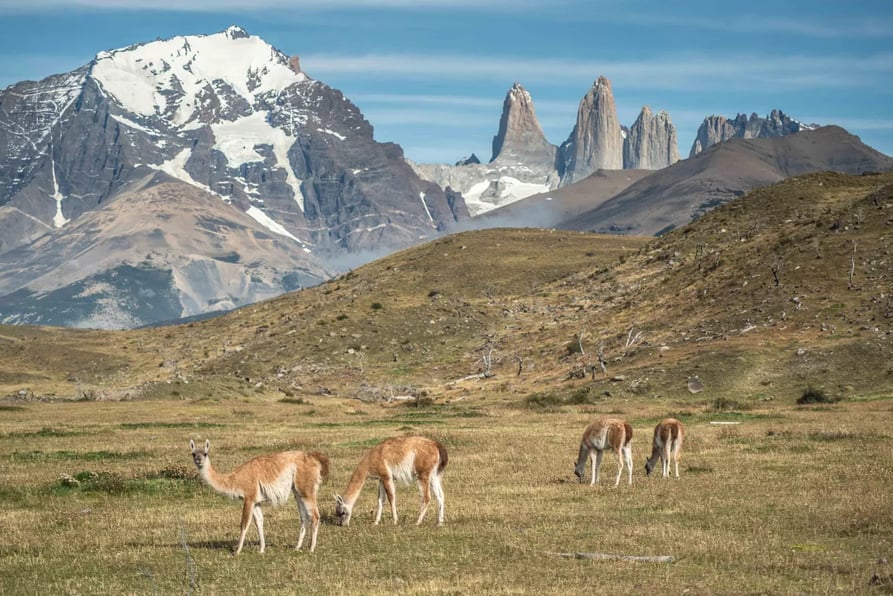
Frequently Asked Questions of what is the best time of day for wildlife photography
What time of day do most animals come out?
Most animals are active at dawn and dusk. These are feeding and movement times for many species, increasing your chance of natural behavior.
Is early morning better than evening for wildlife photos?
Both are excellent. Morning often has cleaner air and fewer people, while evening can have warmer tones and active predators.
Can I get good wildlife shots at midday?
Yes, with care. Use shade, fast lenses, and aim for behaviors that happen during midday, like bathing or resting in open areas.
How does weather affect the best time of day for wildlife photography?
Cloudy days diffuse light and can extend good shooting hours. Wind and rain change animal routines, so check forecasts and adapt plans.
Should I use a tripod during golden hour?
A tripod or monopod helps, especially in low light. For moving animals, balance a tripod with faster shutter speeds and higher ISO.
How far in advance should I scout a location?
Scout at least once at the same time of day you plan to shoot. One week of scouting gives time to learn trails and animal patterns.
Is blue hour useful for wildlife portraits?
Yes, blue hour creates mood and contrast, especially for silhouettes and reflective water shots. Use stabilization and fast glass for the best results.
Conclusion
Timing controls light and behavior. The short answer to what is the best time of day for wildlife photography is dawn and dusk, with blue hour and night as key windows for nocturnal subjects. Plan your session, match gear to the light, and respect animals and habitats. Try an outing at both sunrise and sunset this week. Track what works, refine your routine, and share your progress or questions below — I’d love to hear how your next shoot went.