Yes — wildlife photography can be profitable with the right skills, strategy, and persistence.
I have spent years shooting birds at dawn and tracking big cats at dusk. I will explain clearly whether is wildlife photography profitable, how it becomes a steady income for some, and why many struggle to make money. This guide blends real field experience, practical steps, and clear numbers so you can decide if is wildlife photography profitable for you.
How wildlife photography can be profitable
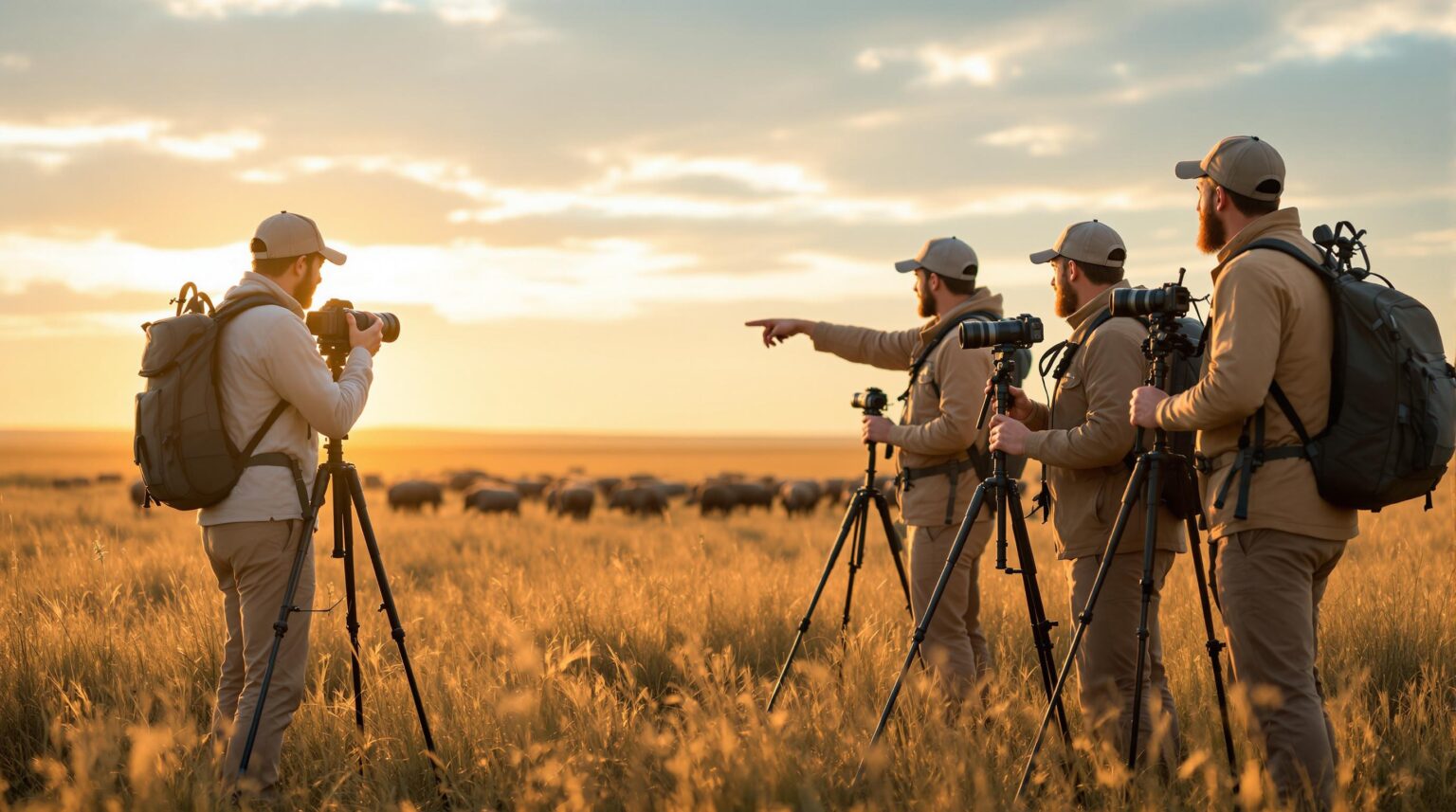
Many photographers earn money from wildlife work in several clear ways. The main income paths are print sales, licensing images, commissions, workshops, and content for media. Each path pays differently and needs different skills.
I have sold prints at local shows and licensed photos to magazines. Licensing paid per use. Teaching small groups paid per day. These routes prove that is wildlife photography profitable when you match the right income stream to your strengths.
- Print and fine art sales often work well for landscape and striking animal portraits.
- Image licensing gives passive income when you place photos in stock or with editors.
- Workshops and safaris pay well for photographers who can teach and lead.
- Commissioned work from conservation groups or brands can be lucrative.
Real-world earnings and realistic expectations
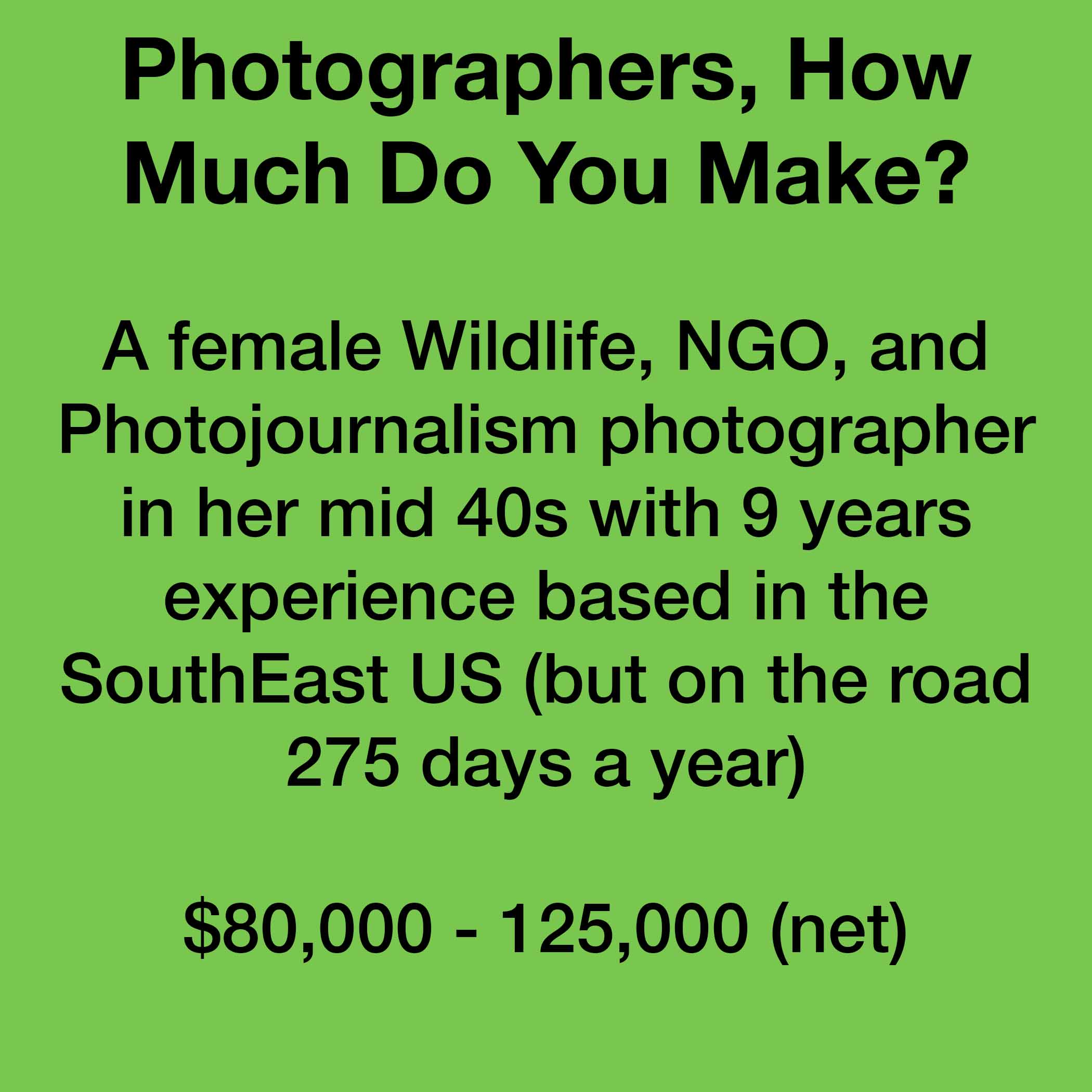
Earnings vary widely. Beginners may earn little at first. Experienced pros can make a full-time income. Part-time shooters often add a few hundred to a few thousand dollars a year.
A typical path looks like this:
- Early years: under $5,000 annually. Most revenue is occasional print sales or small licensing deals.
- Mid-career: $10,000–$50,000. More consistent licensing, small workshops, and a portfolio of strong images.
- Established pros: $50,000+. Multiple income streams, hired work, book deals, and larger workshops.
Numbers depend on market, niche, and business skill. If you ask again "is wildlife photography profitable," the short answer is yes for many, but it takes work and time.
Costs and investments to consider
Making photos costs money. You must budget for gear, travel, permits, and training. Knowing these costs helps you calculate return on investment.
Typical costs:
- Camera body and lenses. Wildlife gear often costs more due to long telephoto lenses.
- Travel and lodging. Field trips and safaris add up fast.
- Insurance and maintenance for gear.
- Software for editing and website hosting for your portfolio.
Plan for slow early returns. Many pros reinvest earnings to grow income. That is a key reason some ask "is wildlife photography profitable" and hesitate at the start.
How to build a profitable wildlife photography business
Profit comes from a mix of craft and commerce. You need good photos and smart business moves. Here are clear steps to increase your odds.
- Build a focused portfolio.
- Show your best work. Quality beats quantity.
- Choose income streams.
- Try licensing, prints, workshops, and commercial work. Test what works for you.
- Build an online presence.
- A clean site, active social media, and email list help sell work.
- Network with editors, galleries, and conservation groups.
- Strong contacts lead to paid jobs.
- Price strategically.
- Start with fair, clear pricing. Raise prices as demand grows.
- Diversify income.
- Don’t rely on one source. Combine passive licensing with active teaching or commissioned projects.
When readers ask "is wildlife photography profitable," the real key is managing both the art and the business side.
Skills and habits that turn photos into profit
Technical skill is only part of the equation. Business habits matter as much. Focus on repeatable systems and strong people skills.
Skills to develop:
- Fieldcraft and patient observation. Better images come from time and care.
- Editing and file management. Speed and quality in post save time and stress.
- Storytelling. Editors and buyers often pick images that tell a clear story.
- Sales and communication. Clear emails and polite follow-ups win clients.
- Teaching and public speaking for workshops.
Good habits:
- Keep a regular backup and keywording system.
- Track licenses and sales in a simple sheet.
- Set time weekly for outreach and marketing.
These skills increase your chance to answer "is wildlife photography profitable" with a confident yes.
Common mistakes and how to avoid them
Many photographers want fast gains. That leads to avoidable errors. Learn from common stalls so your profit path is smoother.
Common pitfalls:
- Relying on a single income stream. This creates risk.
- Undervaluing your work. Low prices hurt long-term income.
- Poor image metadata. Buyers cannot find or license images that lack captions and keywords.
- Ignoring small markets. Local galleries and conservation groups may pay and build reputation.
- Neglecting contracts. Clear terms avoid disputes over use and payment.
Avoid these traps and your chance to make money improves quickly.

Personal experience: lessons from the field
I started with cheap gear and few sales. I learned the hard way that business skills matter. My turning point came when I ran a small photo tour that sold out. That proved people would pay for my experience, not just images.
Lessons I learned:
- Treat time in the field as research and product development.
- Sell experiences first, then images. Workshops funded print sales later.
- Build relationships before asking for work. A friendly editor remembers your name.
- Track every sale. Small errors can cost credibility and repeat business.
These lessons shaped my view on whether is wildlife photography profitable: it is, if you pair craft with strategy.

When wildlife photography is not profitable
Sometimes it is not profitable. That is okay. Not every passion becomes a business. Recognize signs early to make smart choices.
Signs it may not work:
- You have constant net losses after reasonable time.
- You do not enjoy the business side and avoid it.
- Local market or niche is too small for sustained sales.
If that is your case, consider part-time selling, joining cooperatives, or pivoting to related fields like wildlife videography or conservation outreach.
How to measure profitability
Use clear metrics to track progress. Profitability is more than sales. You must include time and costs.
Basic metrics:
- Revenue per month and per project.
- Net profit after expenses.
- Time spent per sale.
- Client return rate and referral rate.
Set simple targets. For example, aim to cover gear costs in year two and earn a salary by year five. Tracking makes "is wildlife photography profitable" a measurable question, not a guess.
Scaling up: from hobby to full-time
Scaling requires systems. To go full-time, you must increase revenue and reduce risk.
Ways to scale:
- Hire help for marketing or editing.
- Create repeat products like a print series or online course.
- Partner with tour operators or conservation NGOs.
- Increase workshop size or run them more often.
Scaling means you move from selling single images to selling services and experiences. That is how many answers to "is wildlife photography profitable" shift from tentative to certain.
Frequently Asked Questions on is wildlife photography profitable
Will beginners ever make money from wildlife photography?
Beginners can make money, but it usually starts slow. Focus on building skill, portfolio, and small sales before expecting major income.
Is gear the biggest expense when asking is wildlife photography profitable?
Gear is a major expense, but travel, permits, and marketing can add up equally. Track all costs to see true profitability.
How long does it take to become profitable?
Timelines vary. Many photographers see meaningful income after 2–5 years of steady work and learning. Consistency shortens the timeline.
Can wildlife photography be a full-time career?
Yes, many professionals earn a full-time living. It often requires multiple income streams like licensing, workshops, and commissions.
Do I need business skills to answer is wildlife photography profitable?
Yes, basic business skills are essential. Pricing, marketing, and client relations often decide profitability more than gear or luck.
Conclusion
Wildlife photography can be profitable. Success depends on skill, strategy, and steady effort. Match your strengths to income paths and track costs to measure real profit. Start small, test income streams, and grow what works. If you are serious, set goals, treat your work like a business, and keep learning.
Take a step today: review your portfolio, pick one income stream to test, and track your time and costs for three months. Share your results or questions in the comments, subscribe for more guides, or reach out to start a focused plan.