Have you ever wondered how telescope eyepieces are measured and what those numbers really mean for your stargazing experience? Understanding these measurements can make a big difference in how clearly you see the moon, planets, and distant stars.
If you want to get the most out of your telescope and choose the right eyepiece, you need to know exactly what to look for. Keep reading, and you’ll discover simple, clear answers that will help you see the night sky like never before.

Eyepiece Size Basics
Eyepiece size is a key factor in using a telescope. It affects how you see objects in the sky and how the eyepiece fits your telescope. Knowing the basic sizes helps you pick the right eyepiece for your needs.
Common Barrel Diameters
Eyepieces come in standard barrel sizes. The most common are 1.25 inches and 2 inches. The smaller 1.25-inch size is popular for many beginner and mid-range telescopes. The 2-inch size is often used for wider views and higher-end telescopes. Some specialty eyepieces may have other sizes, but these two cover most uses.
Impact On Compatibility
Barrel size affects whether an eyepiece fits your telescope. A 1.25-inch eyepiece will not fit into a 2-inch focuser without an adapter. Using the wrong size can cause poor image quality or damage. Always check your telescope’s focuser size before buying eyepieces. This ensures a secure fit and clear viewing experience.
Focal Length Explained
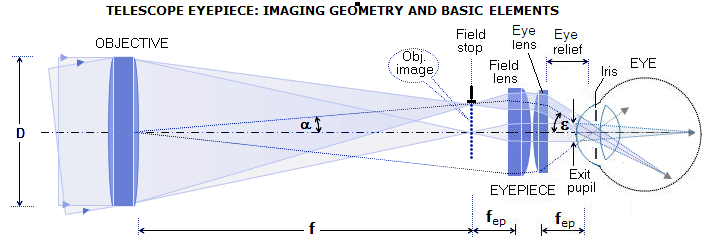
The focal length of a telescope eyepiece is a key factor in how you see objects through the telescope. It tells you the distance between the eyepiece lens and the point where the light focuses. This measurement affects how large or small objects appear when you look through the telescope. Understanding focal length helps you choose the right eyepiece for your viewing needs.
Measuring Focal Length
Focal length is measured in millimeters (mm). It shows the distance from the lens to the focus point inside the eyepiece. A smaller number means a shorter focal length. A larger number means a longer focal length. Telescope eyepieces usually range from 4mm to 40mm. This simple number helps describe how the eyepiece shapes the image you see.
Influence On Magnification
Magnification depends on the focal length of the eyepiece and the telescope’s main lens. Divide the telescope’s focal length by the eyepiece’s focal length to find the magnification. For example, a 1000mm telescope with a 10mm eyepiece gives 100x magnification. Shorter focal length eyepieces create higher magnification. Longer focal length eyepieces produce lower magnification but wider views. This balance helps you pick the best eyepiece for your observation.
Apparent Field Of View
The apparent field of view is an important feature of telescope eyepieces. It tells us how wide the view looks through the eyepiece. This measurement affects what you can see in the night sky. A wider apparent field of view shows more stars and objects at once. It makes the experience more enjoyable and immersive.
What It Means
The apparent field of view is measured in degrees. It describes the angle of the circle you see through the eyepiece. For example, an eyepiece with a 50-degree apparent field of view shows a smaller sky area than one with 80 degrees. The higher the number, the wider your view appears.
This measurement is different from the true field of view. The true field depends on the telescope and eyepiece combined. The apparent field is a fixed property of the eyepiece alone.
Effect On Viewing Experience
A larger apparent field of view makes the sky look bigger and more open. It helps you see star clusters and galaxies more easily. The stars near the edge stay sharp and clear in wide-field eyepieces. A narrow field can feel like looking through a small tube.
Wide fields also help with tracking moving objects. You can keep planets or comets in view longer. Eyepieces with wide apparent fields are great for beginners and experienced astronomers alike.
Eye Relief Importance
Eye relief is a key factor when choosing telescope eyepieces. It means the distance from the eyepiece lens to your eye. Proper eye relief helps you see the full field of view without straining your eyes. It affects comfort and viewing quality. Good eye relief makes long observation sessions easier and more enjoyable.
Comfort During Observation
Long telescope sessions can tire your eyes quickly. Short eye relief forces you to press your eye very close to the lens. This can cause discomfort and headaches. Adequate eye relief lets you keep a small distance from the lens. This reduces eye strain and allows natural eye movement. It is especially important for people who wear glasses.
Ideal Eye Relief Distances
Most eyepieces offer eye relief between 10mm and 20mm. For users without glasses, 10mm is usually enough. Glasses wearers benefit from eye relief above 15mm. Longer eye relief gives more space to see the whole image. Choosing the right distance depends on your needs and habits. Always check eye relief before buying any eyepiece.
Lens Coatings And Quality
Lens coatings and quality play a big role in telescope eyepieces. These coatings help reduce glare and improve image clarity. They affect how light passes through the lens. This changes how well you can see details in the night sky.
Types Of Coatings
There are several types of lens coatings. Single-layer coatings cover one side of the lens. Multi-layer coatings cover many surfaces. They block more unwanted reflections. Fully multi-coated lenses have the best light transmission. This makes images brighter and clearer.
How Coatings Affect Measurement
Coatings impact eyepiece measurements by changing light behavior. Better coatings reduce light loss. This means more accurate brightness and contrast levels. Poor coatings cause ghost images and flare. These distort the true view and affect measurement. Quality coatings improve the precision of eyepiece specs.
Selecting The Right Eyepiece
Selecting the right eyepiece for your telescope is key to a good viewing experience. The eyepiece affects how much detail you see and how wide the view is. Choosing the correct eyepiece depends on your telescope and what you want to observe. Understanding eyepiece measurements helps you make the best choice.
Matching Eyepiece To Telescope
Each telescope has a specific focal length. The eyepiece’s focal length changes the magnification. To find magnification, divide the telescope’s focal length by the eyepiece’s focal length. Lower focal length eyepieces give higher magnification. Higher focal length eyepieces provide wider views but less detail.
Consider your telescope’s aperture too. Larger apertures gather more light, allowing higher magnification. Smaller apertures perform better with lower magnification. Use eyepieces that suit your telescope’s size and power for clear images.
Balancing Size And Performance
Eyepieces come in various sizes, often measured in millimeters. Smaller eyepieces give more zoom but have a narrower view. Larger eyepieces offer wide views but less zoom. Choosing depends on what you want: detailed close-ups or broad sky views.
Eye relief is also important. It is the distance your eye can be from the lens and still see the image clearly. Longer eye relief is better for people with glasses. Short eye relief eyepieces can cause discomfort during long viewing.

Frequently Asked Questions
What Units Are Used To Measure Telescope Eyepieces?
Telescope eyepieces are primarily measured in millimeters (mm). This number indicates the focal length of the eyepiece. The focal length affects magnification and field of view. Lower numbers mean higher magnification but narrower views. Eyepiece diameter sizes, like 1. 25″ or 2″, also matter for compatibility.
How Does Eyepiece Focal Length Affect Magnification?
Eyepiece focal length directly impacts magnification. Magnification equals telescope focal length divided by eyepiece focal length. Shorter eyepiece focal length means higher magnification. Longer focal length provides wider, less magnified views. Choosing the right focal length balances detail and image brightness.
Why Are Eyepiece Barrel Sizes Important?
Eyepiece barrel size determines telescope compatibility. Common barrel sizes are 1. 25 inches and 2 inches. Using the wrong size causes fit issues and poor viewing. Always match eyepiece barrel size to your telescope’s focuser for optimal performance. Adapters can help fit different sizes.
What Is Apparent Field Of View In Eyepieces?
Apparent field of view (AFOV) describes how wide the view looks through an eyepiece. It’s measured in degrees. Higher AFOV values mean wider, more immersive views. AFOV combined with magnification determines the true field of view. Wide AFOV eyepieces are preferred for deep-sky observation.
Conclusion
Telescope eyepieces come in different sizes and focal lengths. These measurements affect how clear and close objects appear. Knowing how eyepieces are measured helps you choose the right one. It makes your stargazing experience better and more enjoyable. Always check the eyepiece size before buying.
This small detail changes your view of the night sky a lot. Keep exploring, and happy observing!