The best wildlife field guide book pairs clear visuals with fast, reliable IDs.
You want a guide that helps you name what you see. You need fast IDs, simple tips, and maps that make sense. Maybe you just spotted a hawk on a fence post. Or a lizard on your porch. Or a new tree on a weekend trail. The right field guide saves time and saves your sanity. I tested and compared top titles by format, depth, and ease of use. Below, I share which one could be your best wildlife field guide book for home, car, or backpack.

National Wildlife Federation Field Guide…
Used Book in Good Condition

The Stokes Field Guide to…
Fantastic field guide for birds found commonly throughout North America Includes range maps, color photos, and common behaviors of each bird Has informtion on differntiating different bird species, and plenty…

The Wildlife of Costa Rica:…
Used Book in Good Condition
NWF Field Guide to North American Trees

This National Wildlife Federation guide is a workhorse for tree lovers. It covers hundreds of species across North America. The photos are crisp, and the range maps are useful at a glance. I like the quick keys that help you move from leaf to species fast.
You also get bark, fruit, and flower notes for year-round IDs. That helps in winter when leaves are gone. The layout is clean and logical. If you want the best wildlife field guide book for trees, this should be on your short list.
Pros:
- Strong photo plates of leaves, bark, and fruit
- Range maps and seasonal cues aid quick ID
- Logical keys reduce guesswork on similar species
- Covers native and many introduced trees
- Durable build for field use
Cons:
- Heavier than a pocket guide
- No spiral binding for flat use
- Focuses on trees, not shrubs or vines
My Recommendation
Pick this if you hike, bird, or fish and always ask “What tree is that?” It shines for yard work, trail walks, and school projects. If your idea of the best wildlife field guide book means fast IDs plus strong photos, this guide makes learning trees simple and fun.
| Best for | Why |
|---|---|
| Hikers and campers | Clear photos and maps work far from home |
| Home landscapers | Leaf and bark cues help with planting choices |
| Students and teachers | Structured keys make lessons easy |
Stokes Field Guide to North American Birds
The Stokes guide is famous for its photo depth. It shows birds in many plumages and poses. That helps when a bird looks “off” in real life. The text is short and direct, which I like in the field.
You also get flight shots, which are gold for hawks and ducks. Range maps and behavior notes add context. It is not pocket small, but it packs power. For birders who want a best wildlife field guide book with real photos, this is a top pick.
Pros:
- Thousands of color photos for real-world looks
- Flight images help with raptors and waterfowl
- Covers common and rare species across North America
- Straightforward ID tips and comparisons
- Helpful range maps and habitat info
Cons:
- Large and heavy for long hikes
- No illustration plates for “clean” comparisons
- Learning curve for beginners in dense sections
My Recommendation
Choose this if you prefer photos over art. It is ideal for birders who want to cross-check age, sex, and season. If your best wildlife field guide book must reflect how birds truly look, in light and shadow, Stokes stands out.
| Best for | Why |
|---|---|
| Photo-first learners | Real images capture tough plumages |
| Intermediate birders | Deep coverage builds skill fast |
| Raptor and waterfowl fans | Flight shots close the ID gap |
The Wildlife of Costa Rica: A Field Guide

This guide covers mammals, birds, reptiles, amphibians, and more. It is the one-book solution for most Costa Rica trips. The photos are sharp and the notes are travel friendly. I packed it in a day bag and never felt stuck on an ID.
The scope is broad, so some groups are not exhaustive. Yet for a quick match in the field, it works well. The layout is simple, with key traits bolded. For travelers seeking the best wildlife field guide book for Costa Rica, it hits the sweet spot.
Pros:
- All-in-one wildlife coverage for Costa Rica
- Clear photos with concise ID tips
- Habitat notes help you look in the right place
- Portable size for day trips
- Great for families and first-time visitors
Cons:
- Not complete to species in all groups
- Some text and images are small
- Heavy birders may still want a bird-only guide
My Recommendation
If you want one book for a Costa Rica trip, start here. It balances depth and speed. I would call it a best wildlife field guide book for travelers who want answers fast without a heavy pack.
| Best for | Why |
|---|---|
| First-time visitors | One guide for many animal groups |
| Families | Simple layout, easy photos for kids |
| Eco-lodges | Handy reference for common species |
The Birds of Costa Rica: A Field Guide

This bird-only guide to Costa Rica is beloved by tour leaders. The plates are clean and consistent. Range maps and status notes help you guess what is likely. I find the art style ideal for fast comparison on tricky species.
It is focused and serious, yet friendly to beginners. The guide is not tiny, but it slides into a day pack. If your trip is bird-heavy, this is the better choice. For bird-focused travel, it may be your best wildlife field guide book.
Pros:
- Excellent illustration plates for fast comparisons
- Clear range maps and status notes
- Useful text on behavior and habitats
- Logical organization by families
- Built for serious birdwatching trips
Cons:
- Birds only, no other animal groups
- Not a pocket guide
- Some small type on map details
My Recommendation
Choose this if birds are your main goal in Costa Rica. The plates and maps keep you quick and accurate. When a best wildlife field guide book must nail look-alike species, this one earns a spot in your carry-on.
| Best for | Why |
|---|---|
| Bird-focused trips | Deep coverage and clean plates |
| Intermediate to advanced birders | Detailed notes on status and range |
| Guides and tour leaders | Trusted layout for group use |
Peterson Guide: Birds of Eastern & Central NA
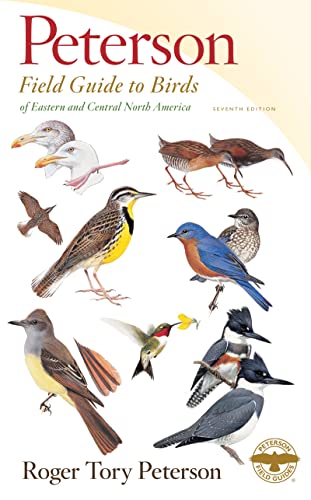
Peterson guides taught many of us to bird. The famous arrows point to key marks. The art is clear and consistent, which speeds learning. This edition focuses on Eastern and Central North America.
It is easy to carry and easy to use. The layout groups similar species on one plate. That helps with warblers, sparrows, and shorebirds. If you want a best wildlife field guide book for birds east of the Rockies, this classic is still strong.
Pros:
- Legendary “Peterson system” arrows on key marks
- Clean plates for side-by-side comparisons
- Light enough for all-day carry
- Clear text for fast field notes
- Great for building core ID skills
Cons:
- Coverage limited to East and Central regions
- Art over photos may not match rough field views
- Some rare vagrants not shown in depth
My Recommendation
Get this if you live or travel in the East and want a trusted guide. It teaches your brain where to look. For many birders, this is the best wildlife field guide book to start and to keep for life.
| Best for | Why |
|---|---|
| Beginners | Arrows highlight what truly matters |
| Students | Plates build visual memory fast |
| Frequent hikers | Lightweight, durable, and clear |
NWF Field Guide to Birds of North America

This is a full-coverage bird guide for the continent. It uses photos, maps, and icons to help your eye. The pages pack a lot but stay readable. I like the quick ID boxes for look-alikes.
It is on the heavy side, so many keep it in the car. The species accounts are brief but smart. If you want robust coverage with photos, this is a strong choice. For many users, it is the best wildlife field guide book to keep near the door.
Pros:
- Photo-driven IDs for most North American birds
- Simple icons for habitat and season
- Helpful look-alike callouts
- Good range maps for planning trips
- Value price for the coverage
Cons:
- Large and not ideal for long hikes
- Small text on some pages
- Photos vary in lighting and angle
My Recommendation
Use this as your home or car reference. It pairs well with a smaller pocket guide on the trail. If your best wildlife field guide book must cover the whole continent, this NWF volume delivers.
| Best for | Why |
|---|---|
| Backyard birders | Quick photo checks near a window |
| Road trips | Full coverage for many regions |
| Budget-minded buyers | Strong value for the range of species |
Peterson Guide: Reptiles & Amphibians East & Central

This is the go-to herp guide for the East and Central U.S. The plates are crisp and the notes are sharp. You get size, habitat, and pattern clues on every page. I also like the safety tips for snakes and toads.
It runs deep on salamanders and snakes, which many guides skim. The maps are helpful for range limits. It is not tiny, but it is worth the carry. If you want the best wildlife field guide book for herps in the East, this one is a leader.
Pros:
- Thorough coverage of reptiles and amphibians
- Clear plates for similar species
- Range maps and habitat notes for each species
- Helpful safety and handling guidance
- Detailed salamander and snake info
Cons:
- Region-limited to East and Central
- Art-based plates, not photos
- A bit bulky in a small pack
My Recommendation
If you flip logs, road-cruise, or guide night walks, get this. It pays off in fast, safe IDs. For many herpers, it is their best wildlife field guide book for life list growth and safety.
| Best for | Why |
|---|---|
| Herp enthusiasts | Deep species coverage and maps |
| Educators | Clear safety tips for field classes |
| Park rangers | Reliable, region-accurate IDs |
Birds of Florida Field Guide

State guides are brilliant for new birders. This Florida guide shows the birds you are most likely to see. The photos are clean and the text is simple. I like how fast you can flip to the right bird.
It is light, so you actually carry it. That matters in hot, humid weather. You also get a good sense of seasonal patterns. If you live in Florida, this can be your best wildlife field guide book for daily use.
Pros:
- Focused on Florida’s common and notable birds
- Lightweight and easy to carry
- Beginner-friendly layout and text
- Photos show real-world looks
- Great value for the state-focused scope
Cons:
- Limited to Florida species
- Fewer rare or vagrant birds covered
- Basic maps compared to larger guides
My Recommendation
If you bird in Florida parks, beaches, and yards, get this first. It speeds your growth and keeps things fun. For a state resident, it might be the best wildlife field guide book you reach for every weekend.
| Best for | Why |
|---|---|
| Beginner birders | Simple photos and notes |
| Retirees and families | Lightweight and easy to read |
| Vacation rentals | Perfect to keep by a patio or dock |
NWF Field Guide to Insects & Spiders

Insects can be tough. This NWF guide makes them less scary. It uses big photos and clean groups to guide your eye. You get quick traits that lead to family and then to species.
It will not name every tiny fly. But it will get you close on most common bugs and spiders. The layout is friendly for kids and adults. If creepy-crawlies stump you, this could be your best wildlife field guide book for the backyard.
Pros:
- Broad coverage of insects and spiders
- Large, clear photos for quick matches
- Simple group keys reduce confusion
- Good for home, garden, and school use
- Durable enough for field trips
Cons:
- Not exhaustive at the species level
- Some small species are hard to see well
- Advanced users may want a deeper key
My Recommendation
Get this if you want to unlock the small world in your yard. It helps you move from “bug” to a name fast. As a best wildlife field guide book for families and educators, it is a joy to use.
| Best for | Why |
|---|---|
| Families | Friendly photos and simple tips |
| Gardeners | Helps separate pests from helpers |
| Teachers | Clear structure for quick lessons |
Kaufman Field Guide to Nature of the Midwest
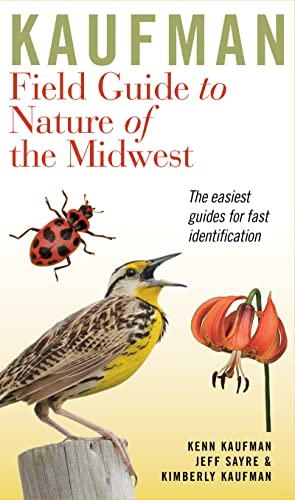
This is a regional “all-in-one” for the Midwest. It covers birds, mammals, trees, wildflowers, insects, and more. The photos are labeled with key marks, which is great for new eyes. I like how it turns every walk into a lesson.
It does not go as deep as a single-topic guide. But the breadth is a big win for family hikes and road trips. The size is right for a day bag. If you want a best wildlife field guide book that does a bit of everything, this is a smart buy.
Pros:
- Wide coverage of many nature groups
- Helpful photo labels with field marks
- Great for learning across seasons
- Portable and durable
- Perfect for long drives and weekend hikes
Cons:
- Midwest-focused range
- Not as deep as specialty guides
- Some species grouped at higher levels
My Recommendation
Pick this if you want to learn “everything outside” in one region. It helps you name what you see without a pile of books. For curious minds, it can be the best wildlife field guide book to spark a lifelong habit.
| Best for | Why |
|---|---|
| Midwest families | All-in-one coverage for weekend trips |
| New naturalists | Field marks make learning simple |
| Car kits | Compact and wide-reaching in scope |
National Wildlife Federation Field Guide to Trees of North America
Note: I already covered this title above as “NWF Field Guide to North American Trees.” It stands as a prime tree guide for leaf, bark, and fruit IDs. Use it to decode your yard or trail. It fits the role of a best wildlife field guide book for tree fans.
The highlights are sharp photos, clear keys, and year-round cues. It helps you tell similar species apart. I recommend it for hikers and homeowners alike. It is a keeper for any nature bookshelf.
Pros:
- Full-season ID help
- Clear range maps
- Good coverage of native and introduced trees
- Sturdy build
- Logical keys reduce confusion
Cons:
- Not pocket-sized
- Not spiral bound
- Tree focus only
My Recommendation
If you missed the earlier section, here is the short take. This is the tree book to buy if you want speed and clarity. It fits that “best wildlife field guide book” need for anyone who loves forests and parks.
| Best for | Why |
|---|---|
| Trail walkers | Quick keys from leaf to species |
| Yard projects | Helps plan trees with confidence |
| Nature clubs | Reliable and easy to teach from |
National Wildlife Federation Field Guide to Birds of North America
Note: Also covered above as “NWF Field Guide to Birds of North America.” It is a full-photo guide with maps and icons. I keep it close for home IDs and trip planning. If you need a best wildlife field guide book for North American birds, it delivers.
Use it to compare look-alikes fast. The design helps new users and seasoned birders alike. It is not pocket light, but it is a trustworthy home base. Pair it with a small regional guide for the trail.
Pros:
- Strong photo library
- Clear range and habitat cues
- Look-alike callouts are a time saver
- Wide species coverage
- Great value
Cons:
- Bulky for long hikes
- Dense pages for brand-new users
- Variable photo angles
My Recommendation
This is a must if you want one big bird guide for home use. It pairs well with Stokes or Peterson in the field. As a best wildlife field guide book, it anchors a solid birding setup.
| Best for | Why |
|---|---|
| Home libraries | Deep, reliable coverage |
| New birders | Helpful visuals and icons |
| Trip planning | Range maps for seasonal checks |
FAQs Of best wildlife field guide book
How do I choose the best wildlife field guide book for my area?
Pick a regional or state guide first. It will match what you see most. Then add a broader guide for travel.
Are photos or illustrations better for ID?
Both work. Photos show real looks. Illustrations highlight key marks. Many people use one of each.
What size is best for field use?
Smaller and lighter is better for long hikes. Keep a larger guide in your car or at home.
Do I need range maps?
Yes. Maps tell you what is likely where you are. They save time on rare guesses.
Which guide is best for kids?
State guides and NWF insect or bird guides are great. Simple photos and clear text keep it fun.
Final Verdict: Which Should You Buy?
If you want one all-around pick, choose the Kaufman Midwest guide for regional depth or The Wildlife of Costa Rica for travel. For birds, Peterson East and Stokes are a perfect one-two punch.
For trees, the NWF tree guide is hard to beat. Your best wildlife field guide book is the one you will carry, open, and enjoy. Pick based on region, weight, and how you learn best.